



The Numbers Don't Lie
The simplest way to answer the question is to look at the scoreboard. After a prolonged dip in scoring known as the 'dead puck era' in the late 1990s and early 2000s, where games were often defensive struggles, the league has seen a noticeable offensive
resurgence. The average goals per game has been steadily climbing. For several seasons leading into 2026, the league-wide average has hovered comfortably above 3.0 goals per team per game, a mark not consistently seen since the early 1990s. Recent seasons, like 2022-23, saw averages as high as 3.14 goals per game, a significant jump from the 2.73 seen just a few years prior in 2016-17. This isn't quite the firewagon hockey of the 1980s, when teams often averaged close to four goals per game, but it's a clear and sustained trend away from the defense-first mentality that dominated the turn of the century.
A New Breed of Player
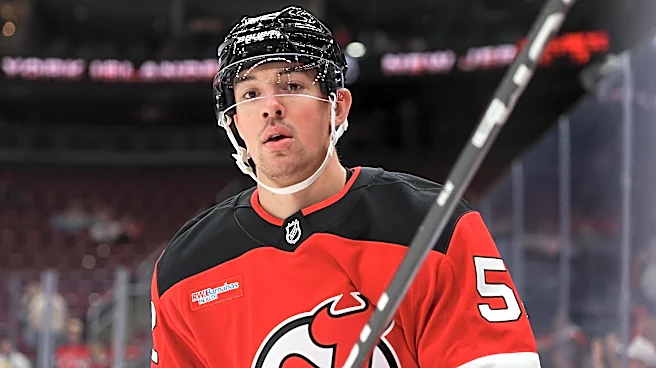
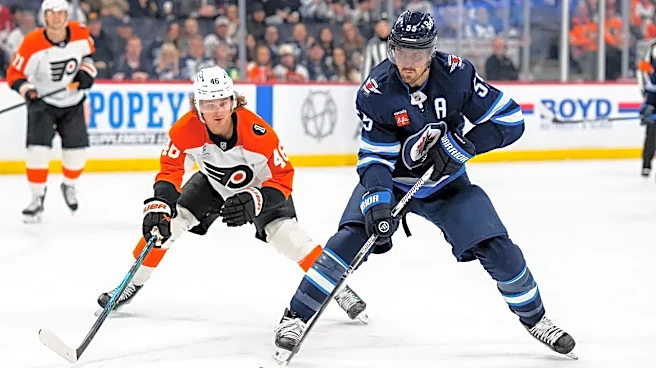
The league isn't just scoring more; it's playing faster. The shift is most visible in the players themselves. Today's NHL stars are defined by elite skating and puck skills. Players like Connor McDavid, Auston Matthews, and Nathan MacKinnon represent a generation that has been trained since youth to play the game at top speed. This emphasis on speed and skill is now a requirement, not just a bonus. Team rosters reflect this change. The slow-footed enforcer, once a staple of every fourth line, is nearly extinct. General managers now prioritize skill and skating ability throughout all four lines, meaning there are no 'easy' shifts for opposing defenses. This depth of talent forces a high pace for a full 60 minutes and creates mismatches that skilled players are quick to exploit.
Smarter, Not Just Harder
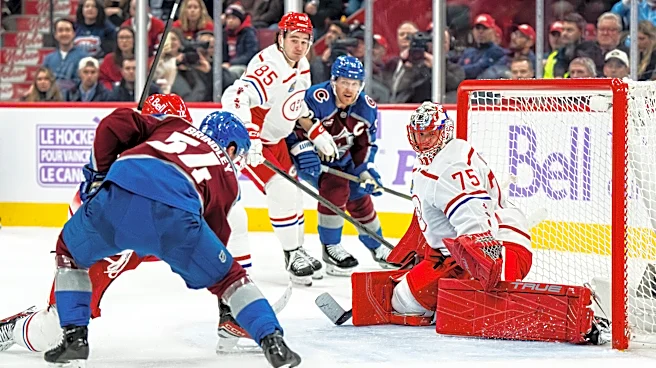
This offensive explosion isn't happening by accident. It’s by design. Rule changes following the 2004-05 lockout were implemented specifically to open up the game. A crackdown on obstruction, like hooking and holding, gave skilled players the freedom to skate. The removal of the two-line pass rule allowed for quick, rink-long transitions, effectively killing the neutral zone trap that had suffocated offense. Coaching strategies have also evolved. Instead of prioritizing defensive systems that grind opponents down, many modern coaches now build their tactics around puck possession and aggressive, fast transitions. You see it in how defensemen are encouraged to activate and join the rush, and in power plays that feature four or even five forwards instead of the traditional three-forward, two-defensemen setup. The goal has shifted from preventing goals at all costs to creating them.
The Analytics Revolution
Behind the scenes, the rise of analytics has provided teams with a new understanding of what wins games. Data confirms that clean zone entries with puck possession lead to far more scoring chances than the old-school 'dump and chase' strategy. Teams now have concrete evidence that speed through the neutral zone and generating high-quality shots from the slot are keys to victory. This data-driven approach influences everything from roster construction to in-game decisions. Coaches can pinpoint which strategies create the most offense and which players are most effective at executing them. This analytical feedback loop reinforces the value of speed and skill, pushing teams to double down on the very attributes that are making the game more exciting and offensive.