

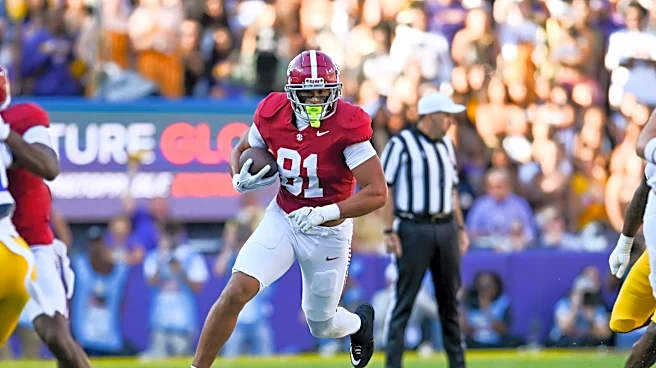
In a college football landscape defined by playoff rankings, transfer portals, and blockbuster media deals, one thing still cuts through the noise: an old-fashioned, hate-filled rivalry game. It's the sport's anchor to its chaotic, passionate past.
History You Can Feel
A regular
season game is a four-quarter contest; a rivalry game is a 365-day-a-year argument. These matchups are steeped in history that stretches back a century or more, often rooted in regional disputes, cultural divides, or just pure, unadulterated proximity. Take the Iron Bowl between Alabama and Auburn. The rivalry is so embedded in the state's identity that it can divide families and dominate conversation year-round. It began in 1893, and after a 41-year hiatus due to disagreements over officiating and player payments, the state legislature had to pass a resolution to get the teams to play again in 1948. That’s not just a football game; it’s a cultural institution. Similarly, the annual clash between Michigan and Ohio State, simply called 'The Game', often determines the Big Ten champion and has been a national spectacle for generations. This isn't manufactured hype. It's a genuine, inherited dislike passed down through families, creating stakes that no playoff projection can replicate.
An Anchor in the Chaos of Modernization
College football is undergoing a seismic identity crisis. Conference realignment has scrambled traditional geographic lines, turning the Big Ten into a coast-to-coast league and dissolving rivalries that have existed for over 100 years, like the one between Oregon and Oregon State. The introduction of Name, Image, and Likeness (NIL) deals and the ever-present transfer portal have added a layer of transactional professionalism to the sport. Amid this change, rivalry games feel like one of the last bastions of authenticity. They are a protected species. When conferences reshuffle, the first priority is often to preserve these key matchups. They serve as a guarantee that no matter how much the sport evolves, its core—the passion, the pageantry, and the community—remains intact. For fans, the stability of knowing that 'Hate Week' will arrive every November provides a comforting rhythm in an otherwise unpredictable new era.
The Unmatched Spectacle
Rivalry games deliver television ratings that often dwarf other regular season contests and even some bowl games. While overall college football viewership has fluctuated, marquee rivalry matchups remain appointment viewing. The 2023 Ohio State–Michigan game, for instance, drew a massive television audience of over 19 million viewers. These games are frequently scheduled for the final week of the regular season, maximizing the potential for chaos as a loss can singlehandedly destroy a rival's championship hopes. This high–stakes drama consistently produces unforgettable moments, from Auburn's 'Kick Six' return to beat Alabama in 2013 to countless down–to–the–wire finishes in the Red River Rivalry between Texas and Oklahoma. The sheer unpredictability is a major part of the appeal; rankings often mean little when two teams with a century of bad blood take the field.
It's About Identity, Not Just Athletics
Ultimately, the enduring power of these games comes from a deep sense of identity. Unlike professional franchises that can relocate, a university is a permanent fixture of its community. Your allegiance is tied to a diploma, a family legacy, or a hometown. It’s an 'us versus them' mentality that's deeply ingrained. The traditions surrounding the games reinforce this bond. Ohio State players receive a miniature pair of gold pants for beating Michigan, a tradition started in 1934 after a coach famously said the Wolverines 'put their pants on one leg at a time just like we do'. Fans have their own rituals, from specific game–day foods to wearing the same jersey for every meeting. This sense of shared experience and belonging creates a powerful emotional connection that makes these games more than just a sport. It's a celebration of who you are and, just as importantly, who you aren't.