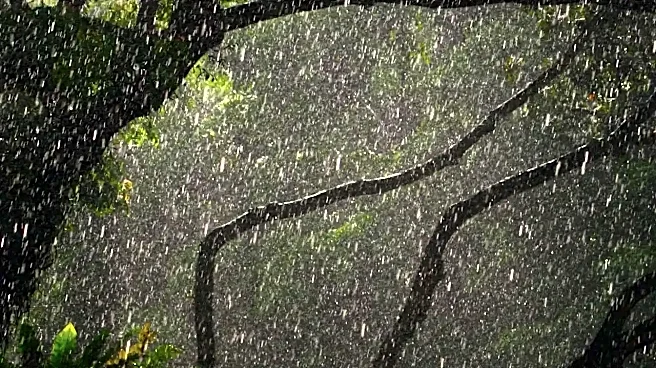










The Scent Has a Name: Petrichor
First, let's get the name right. That iconic smell was dubbed 'petrichor' in 1964 by two Australian researchers, Isabel Joy Bear and Richard Thomas. The term comes from the Greek words 'petra', meaning stone, and 'ichor', which in Greek mythology was the ethereal
fluid that flowed in the veins of the gods. The scientists were describing the aroma that arises when rainfall hits dry soil. This scent isn't from the water itself but from a combination of compounds that have been waiting for that exact moment to be released into the air. The two main ingredients are oils secreted by plants and a chemical produced by soil-dwelling bacteria.
Geosmin: The Earth's Perfume
The most powerful component of petrichor is a compound called geosmin. Produced by a type of bacteria known as actinomycetes, geosmin is what gives soil its signature earthy smell. These bacteria are abundant in healthy soils worldwide. During dry spells, they produce spores. The human nose is exquisitely sensitive to geosmin; we can detect it at concentrations as low as five parts per trillion. Some scientists theorize this sensitivity may be an evolutionary trait that helped our ancestors locate fresh water sources. When people talk about the smell of beets or a 'dirty' taste in some freshwater fish, they're often tasting this exact same compound.
The Aerosol Engine: How the Smell Gets Airborne
So, how do these compounds get from the ground into your nose? In 2015, scientists at MIT used high-speed cameras to reveal the surprisingly elegant physical mechanism. They discovered that when a raindrop strikes a porous surface, like soil, it traps minuscule air bubbles. These bubbles shoot upwards through the droplet and burst, releasing a fine spray of aerosols into the air, much like the fizz from a glass of champagne. These aerosols carry the aromatic compounds—geosmin and plant oils—up from the soil. This effect is most pronounced during light to moderate rain. A heavy downpour tends to saturate the ground too quickly, preventing the bubbles from forming and launching their fragrant cargo.
Ozone: The Scent Before the Storm
There's another scent often associated with rain, one you might notice even before the first drops fall. It’s a sharp, clean smell, sometimes compared to chlorine. That scent is ozone. Ozone is a form of oxygen (O3) that is created high in the atmosphere. The powerful electrical charge of lightning can split oxygen and nitrogen molecules, which can then recombine to form ozone. A thunderstorm’s downdrafts can push this ozone from higher altitudes down to ground level, so its arrival often signals that a storm is near. This is why you can sometimes literally smell a storm coming.