




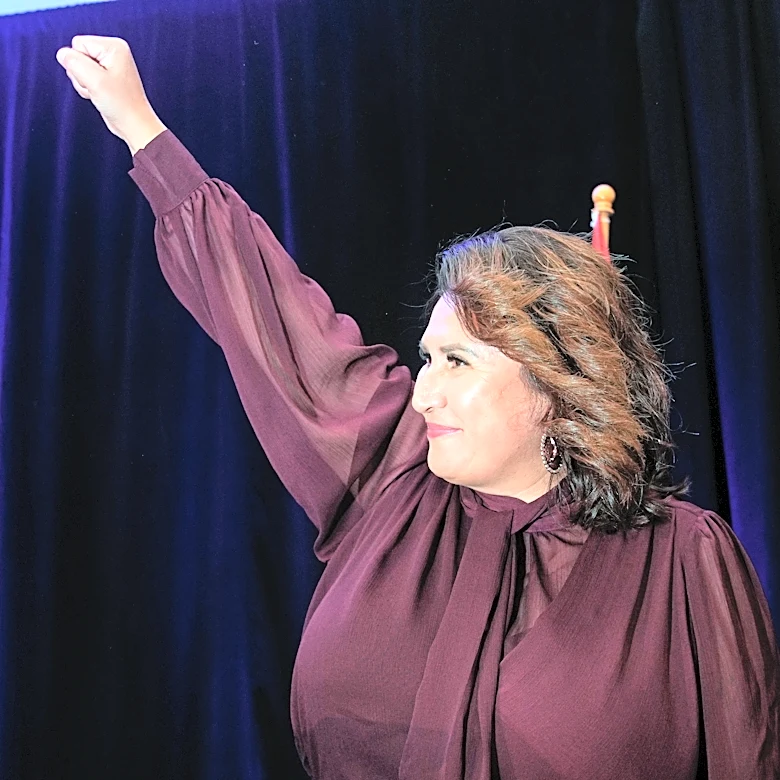


The 2026 midterm results are in, and it was less of a shift and more of a political earthquake. Democrats seized control of both the House and Senate in a historic blue wave that swept through even Republican strongholds. So, what happened?
A Decisive Break From the GOP
At the heart
of the Democratic victory was a dramatic pivot from the nation's largest and most powerful voting bloc: independents. This group, which now makes up over a third of the electorate, broke for Democrats by a stunning 17-point margin. To put that in perspective, it represents a 14-point swing away from the GOP compared to just two years ago. This wasn’t a subtle lean; it was a wholesale rejection. Polling heading into the election foreshadowed this shift, with one survey showing likely independent voters favoring Democrats by a 52% to 39% margin. In key battleground states like Ohio and North Carolina, exit polls confirmed that Democratic Senate candidates won their races thanks to overwhelming support from these unaffiliated voters. They provided the critical momentum that turned competitive races into comfortable Democratic wins.
A Referendum on the President
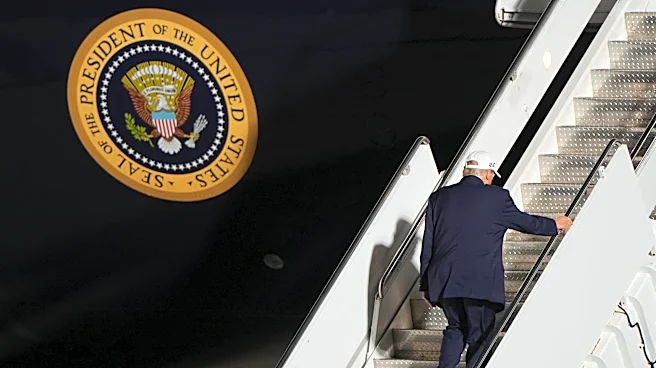
While midterm elections are often a referendum on the sitting president, 2026 was an especially stark example. For many independents, their vote wasn't just for a Democratic candidate but actively against the Trump administration. Exit polls revealed that 44% of independent voters said their choice was primarily a vote against President Trump. This sentiment was fueled by a range of grievances, from broad economic anxiety to specific policy decisions. For instance, a majority of voters—63%—felt the Trump-initiated war with Iran was the wrong decision, and analysts pointed to it as a significant driver of dissatisfaction. In race after race, Republican candidates seen as 'too supportive' of the president were punished by voters, even in states Trump had won handily in 2024.
The Issues That Moved the Middle
While the economy is always a major factor, it didn't play out as Republicans might have hoped. With a sour mood across the electorate and widespread anxiety over the cost of living, voters were more likely to say their personal finances were getting worse. But instead of blaming Democrats, they seemed to trust them more to handle it; exit polls showed voters preferred the Democratic party's approach on the economy and affordability. Beyond pocketbook issues, a profound concern for the 'state of democracy' emerged as a top-tier motivator, second only to the economy overall and the number one issue for Democratic voters. An incredible nine out of ten voters cited 'government corruption' as a crucial or major factor in their decision. This wasn't an abstract, high-minded ideal; for millions of independents, it was a core reason to vote for change.
The Anatomy of an Independent
Understanding this wave requires understanding who these 'independent' voters are. While a record 45% of Americans now identify as independent, political scientists note that most still lean toward one party. The 'true independents' with no partisan preference are a smaller group, perhaps only 10–15% of the electorate. The larger group consists of Americans who are simply fed up with partisan tribalism. They reject the constant outrage, the performance of politics, and the sense that the two parties are more interested in fighting each other than solving problems. They are not necessarily moderate on every issue, but they evaluate candidates on merit. This detachment from party loyalty is precisely what makes them so potent. They are the ultimate swing voters, capable of delivering the kind of decisive verdict that reshapes the political landscape, as they did so clearly in 2026.