

The Unstoppable 30-Year Nostalgia Cycle
There’s a well-documented pattern in pop culture often called the “nostalgia pendulum” or the “30-year rule”. The theory suggests that it takes about three decades for a generation that grew up consuming culture to start creating it. The kids who first
experienced '90s music are now in their late 30s and 40s—an age where they have disposable income and, more importantly, have become today's producers, songwriters, filmmakers, and artists. They’re referencing the sounds of their youth, which felt formative and authentic to them, and repurposing them for a new era. Just as the 2010s were full of '80s synthesizers and aesthetics (think Stranger Things), the mid-2020s are now fully embracing the '90s. This creates a feedback loop: creators are rewarded for making art that appeals to this nostalgic market, and audiences find comfort in the familiar sounds of their past.
How TikTok and Streaming Flattened Time
Modern technology has thrown gasoline on the nostalgia fire. On platforms like TikTok, the algorithm doesn’t care if a song is 30 minutes or 30 years old; it only cares about engagement. A forgotten B-side like Pavement’s “Harness Your Hopes” can suddenly find a massive new audience and soundtrack hundreds of thousands of videos. Songs by Sade, the Spice Girls, and Nirvana are regularly revived through viral challenges and trends. Music streaming services further blur the lines between past and present. Curated playlists and recommendation engines seamlessly mix '90s icons like Mariah Carey and the Backstreet Boys with current stars. For Gen Z listeners, who have the entire history of music at their fingertips, a 1993 classic can feel just as new and relevant as a track released last week. This ease of discovery has turned catalog music—tracks older than 18 months—into a dominant force, representing a huge portion of today's music consumption.
Sample, Remake, Reimagine
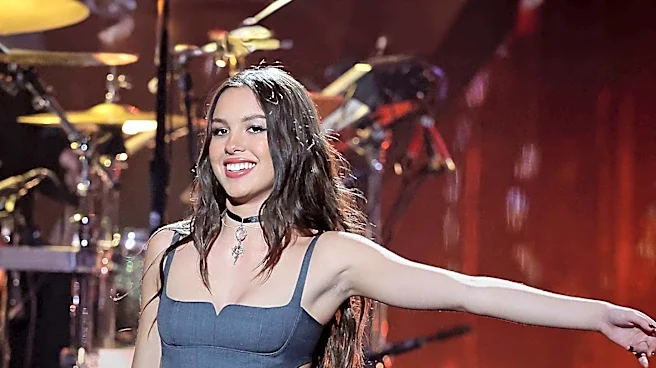
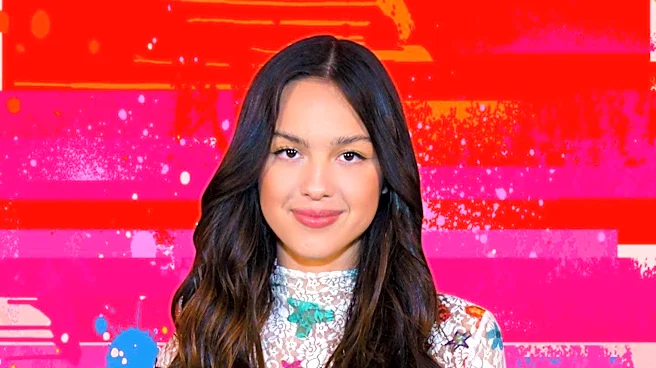
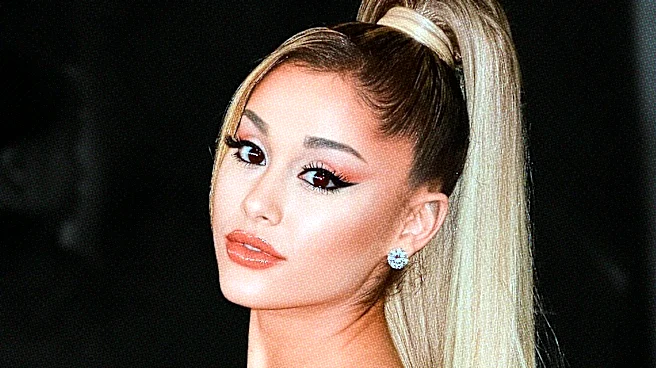
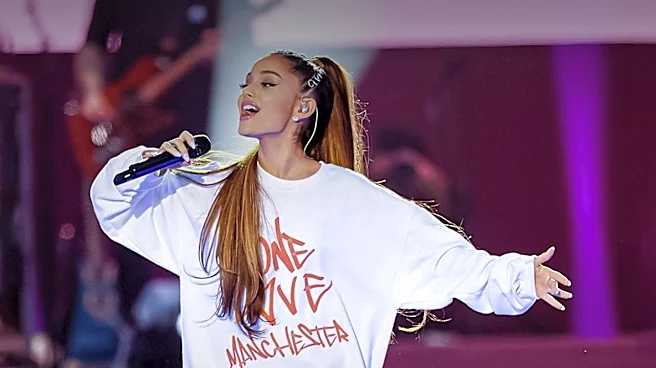
Today’s biggest artists aren’t just influenced by the '90s; they're directly weaving its DNA into their hits. Sampling, a cornerstone of '90s hip-hop, is more prevalent than ever. Beyoncé’s “Break My Soul” famously revitalized Robin S.’s 1993 house anthem “Show Me Love,” introducing it to a new generation. J. Cole recently sampled Queen Latifah's 1993 classic "U.N.I.T.Y.," connecting his modern message to a historic anthem of empowerment. Beyond direct samples, the era's genres are being embraced wholesale. Superstars like Olivia Rodrigo and Beabadoobee have built their sound on the foundations of '90s alternative rock and grunge, channeling the angst of Alanis Morissette and the fuzzy guitars of The Smashing Pumpkins. Meanwhile, artists like Doja Cat and Ariana Grande frequently dip into the polished, melodic R&B and pop production styles that producers like Max Martin and Timbaland pioneered in the '90s.
An Antidote to an Algorithmic World
What is it about the '90s sound that feels so right for this moment? Part of the appeal might be emotional. The '90s was a diverse musical decade, spanning everything from the raw authenticity of grunge to the unapologetic fun of boy bands and the smooth confidence of R&B. For many, this era represents a time before the internet fully took over—a pre-digital, less hyper-curated world. The music often feels more raw and less polished than today's algorithm-friendly pop hits. As super-producer Teddy Riley noted, younger listeners are going back to older music because they're looking for substance. Whether it's the unfiltered emotion of a grunge track or the intricate production of a '90s R&B classic, the era's music provides a texture and depth that offers a compelling alternative to the sounds of today.