


Perception, Reality, and a Rash of Injuries
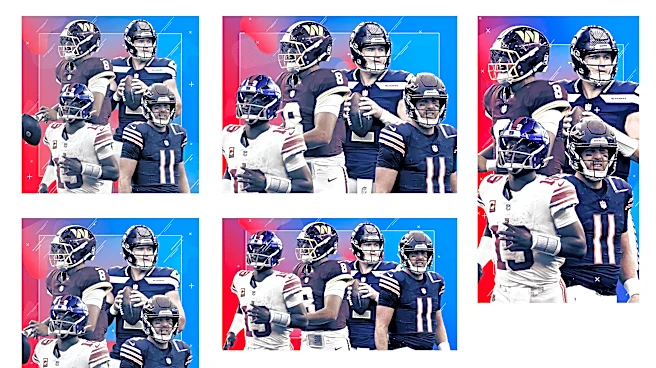
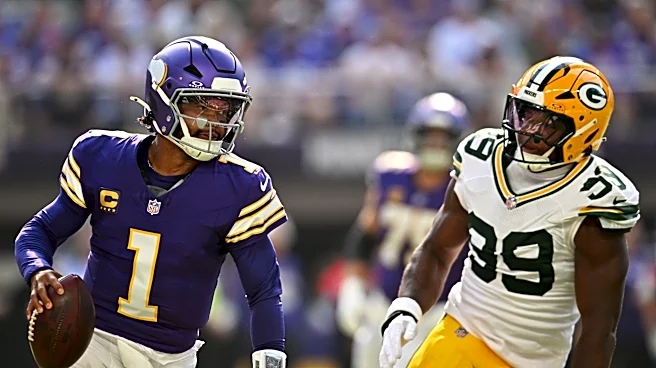
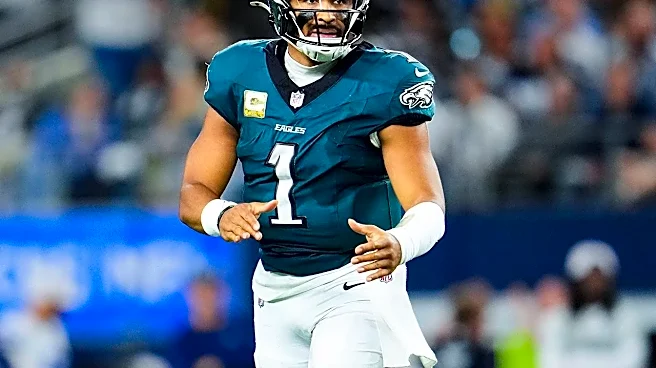
Week after week, another starting quarterback seems to head to the sideline. The 2026 season has already seen a significant number of starters miss time, including Caleb Williams, Jayden Daniels, and Jaxson Dart. This continues a pattern from recent years,
like Aaron Rodgers' devastating Achilles tear in 2023. The constant churn of backups gives the impression of a full-blown crisis. But the data presents a more nuanced picture. According to ESPN's Bill Barnwell, 38 different quarterbacks threw at least five passes in the first two weeks of the 2026 season. While that sounds high, it’s the same number as in 2021 and similar to the 39 who did so in 2001. While the total number of quarterbacks starting games per season has been high, averaging around 63 over the last five years, it's not a runaway train. The perception of an injury crisis is amplified by the high-profile nature of the players getting hurt and the visibility of those games. So while the rate isn't necessarily skyrocketing historically, the type of quarterback and the way they play has fundamentally changed the risk equation.
The Rise of the Dual-Threat QB
The era of the stationary pocket passer is fading. Today’s league is dominated by mobile, athletic quarterbacks who can win with their arm and their legs. This evolution adds a dynamic layer to offenses but also exposes quarterbacks to a different, and arguably greater, level of physical danger. The number of quarterback scrambles has exploded, reaching a record 1,089 last year, a number that never topped 800 before 2020. When a quarterback leaves the pocket, he is no longer afforded the same protections. He becomes a runner, subject to the same violent collisions as a running back, but without the built-up conditioning for taking those hits. Studies and anecdotal evidence suggest that mobile quarterbacks are more prone to injury. One analysis found mobile QBs started a lower percentage of their possible games compared to traditional passers. This new generation of players, inspired by the improvisational magic of stars before them, are often writing checks their bodies can't cash.
Bigger, Faster, Stronger… and More Dangerous
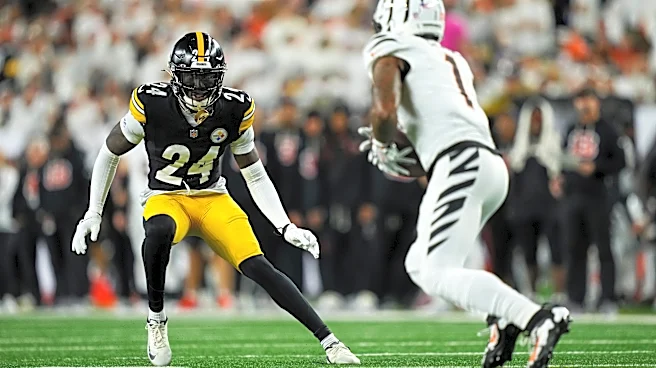
Quarterbacks aren't evolving in a vacuum. The defenders chasing them have become athletic marvels. Defensive linemen and linebackers are bigger, stronger, and faster than at any point in NFL history. This creates a simple, brutal physics problem: when a 280-pound defensive end collides with a 220-pound quarterback, the force is immense. To counter the rise of mobile QBs, defenses now prioritize athletic pass rushers who can cover ground and tackle in space. Furthermore, some analysts suggest that the quality of offensive line play coming out of college has dipped, leaving multi-million dollar quarterbacks behind porous protection as they adapt to the pro game. The combination of more athletic defenders and potentially less-prepared blockers means quarterbacks are under pressure more often, increasing the odds of a game-changing hit.
A Shield of Rules That May Not Be Working
For decades, the NFL has progressively added rules to protect its most marketable players. From the "Brady Rule" outlawing hits to the knee to the controversial body-weight provision on sacks, the league has tried to legislate the most dangerous contact out of the game. However, there is mounting evidence that these protections aren't reducing the overall number of injuries. Some have even argued the rules create more confusion than safety. Veteran quarterbacks have expressed frustration, suggesting some penalties are unnecessary and negatively affect games. While rules shield a quarterback in the pocket, they offer little help on scrambles or designed runs, which are an increasing part of the modern game. The league finds itself in a difficult position: it has tried to enhance safety, but the very evolution of offensive schemes and player athleticism has introduced new, harder-to-regulate risks.