



The Psychology of Animosity
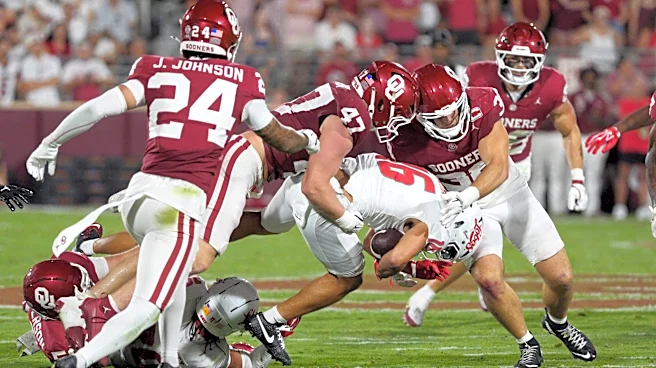
A regular game is a contest of skill. A rivalry game is a battle of identity. For players and fans, the opponent isn't just another team; they represent a competing tribe from down the road. This emotional weight changes the calculus entirely. Studies
on athletic performance show that rivalries can trigger both positive and negative psychological responses. For some athletes, the heightened stakes lead to a surge in motivation, focus, and physical output—a desire to push past known limits to secure bragging rights. It’s not just about winning a game; it's about validating an entire community’s pride. But this intensity can also lead to anxiety and pressure that impairs decision-making. The favorite might play tight, afraid of the humiliation of losing to them, while the underdog plays with a reckless abandon that can’t be modeled by any algorithm. The sheer hatred, and underlying respect, creates an atmosphere where anything feels possible.
Exhibit A: The Iron Bowl
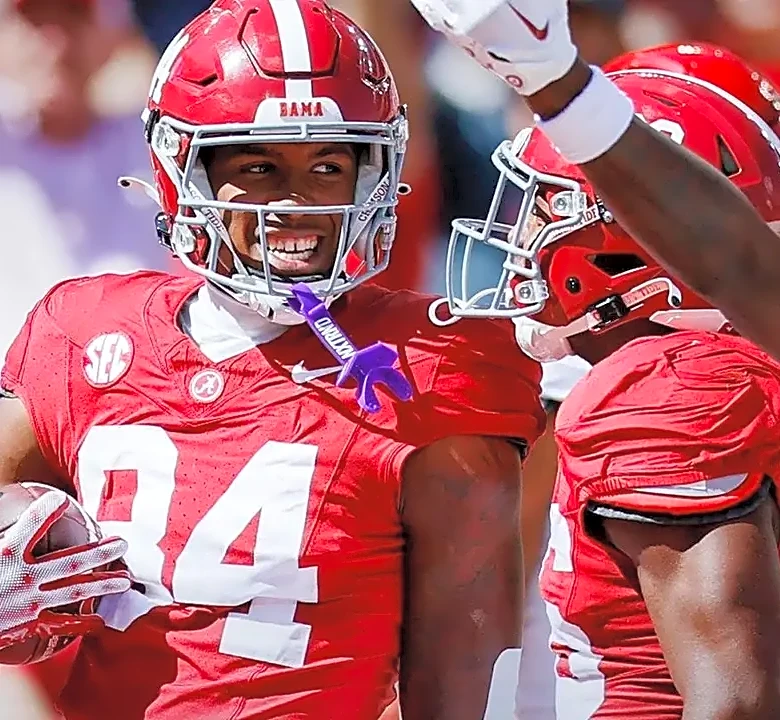
If you need a case study in how rivalries shatter expectations, look no further than the annual clash between Alabama and Auburn. The Iron Bowl is a graveyard of perfect seasons and a monument to absurdity. In 2013, No. 1 ranked Alabama was poised to win, setting up for a game-winning field goal. Instead, the kick fell short and was returned 109 yards by Auburn's Chris Davis for a game-winning touchdown as time expired. The “Kick Six” is perhaps the most famous example of rivalry chaos, an ending so improbable it feels like fiction. But the rivalry is full of them. In 1972, Auburn blocked two punts and returned them for touchdowns in the final minutes to beat Alabama 17-16 in the “Punt Bama Punt” game. And in 1982, a freshman named Bo Jackson leaped over the goal line to give Auburn a 23-22 victory, ending a nine-year losing streak and Bear Bryant's final Iron Bowl on a sour note. These aren't just games; they are state-wide historical events where the team with the better record often just has more to lose.
Exhibit B: The Game
The Ohio State-Michigan rivalry, simply known as “The Game,” offers its own rich history of upended rankings. For years, the matchup has determined Big Ten champions and national title contenders, but its most iconic moments often involve an underdog ruining everything for the favorite. In 1969, a Michigan team led by first-year coach Bo Schembechler faced off against his mentor, Woody Hayes, and his undefeated, No. 1 ranked Ohio State Buckeyes, a team some called the greatest in college football history. Michigan pulled off a shocking 24-12 upset that is still considered one of the biggest in the sport's history. The game launched a decade-long coaching war defined by mutual respect and intense competition. More recently, the rivalry has seen its share of stunning results that fly in the face of season-long performance, reminding everyone that in this game, the past 11 weeks mean very little compared to the 60 minutes on the field.
Familiarity Breeds Contempt—and Chaos
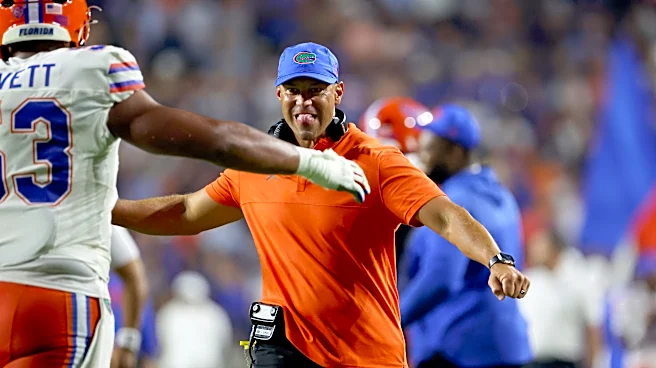
Part of what makes rivalry games so unpredictable is the deep familiarity between the opponents. These teams recruit from the same high schools, their coaches study each other’s tendencies for 365 days a year, and the players often know their counterparts personally. There are fewer secrets. A dominant offense that has rolled over other opponents might find its bread-and-butter plays completely neutralized by a rival that has been game-planning for them since spring practice. This familiarity tends to close the talent gap. An underdog isn't just facing a highly-ranked team; they're facing the team they are built to beat. The game plan becomes less about executing a standard system and more about finding a unique wrinkle to exploit a well-known foe. That hyper-specific preparation, fueled by a year's worth of animosity, is something a national ranking simply cannot measure.