







More Than Just Webs
For centuries, we’ve been fascinated by spider silk. Its unique combination of strength and elasticity has made it the gold standard in material science. Historically, it was used to dress wounds, and in the modern era, researchers have dreamed of using
it for everything from bulletproof vests and surgical sutures to artificial ligaments. The main obstacle has always been supply. Spiders are territorial and cannibalistic, making them impossible to farm like silkworms. This has driven a global race to create synthetic spider silk in labs, with companies using everything from engineered bacteria and yeast to genetically modified silkworms to mass-produce these miracle proteins.
The Surprising Twist: Electronic Skin
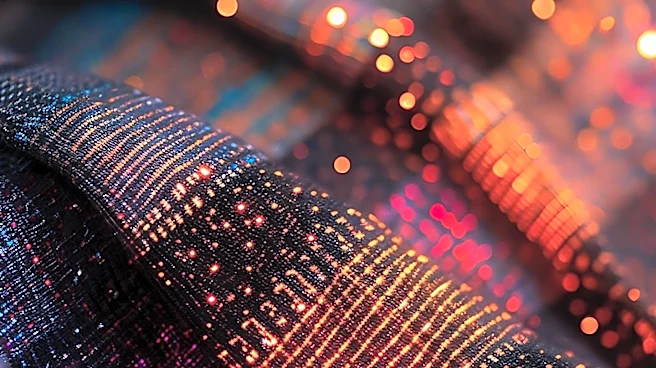
The latest breakthrough is something else entirely. Researchers at the University of Cambridge have developed a method to spin bioelectronic fibers that are so thin and lightweight they can be printed directly onto human skin—or even something as delicate as a flower petal—without being felt. They call it 'electronic spider silk'. This isn't about weaving a fabric; it's about creating imperceptible sensors that can conform to any surface, right down to the ridges of a fingerprint. By combining biocompatible polymers with spider silk-inspired proteins, they have created a web that can conduct electricity and monitor biological signals.
How It Actually Works
So how do you turn spider silk into a sensor? The magic is in mimicking the spider's spinning process but with a high-tech twist. The Cambridge team created a water-based solution containing biocompatible conductive polymers and proteins that behave like those in silk. This liquid is then spun into fibers at room temperature, a process that is far more eco-friendly than producing traditional electronics. These fibers are so light and adaptive that they can be printed onto living things without causing damage or discomfort. Once applied to skin, for example, the sensors are so unobtrusive they don't even block sweat pores. This allows them to act as a seamless 'second skin' for continuous health monitoring.
From Lab to Wearable Revolution
The potential applications are staggering. Imagine health monitors that you can’t see or feel, providing constant data on your vitals. Or think of virtual reality and gaming, where these sensors could provide a much more immersive tactile experience. The technology could also be used in smart textiles, robotics, and for environmental monitoring. While still in the research phase, this discovery moves spider silk beyond just being a strong material. It becomes a platform for integrating electronics with the biological world in a way that’s sustainable and completely seamless. The days of bulky fitness trackers and uncomfortable medical sensors could be numbered, replaced by an invisible web of smart, biodegradable technology inspired by one of nature's most elegant engineers.