








First, Is This Really Happening?
It’s a complicated picture. Globally, many of the 2,000-plus firefly species face serious threats from habitat loss, light pollution, and pesticide use. But anecdotally, and backed by some regional reports, pockets of the U.S. have been experiencing noticeable
upticks in firefly numbers. Reports from places like Illinois, New Jersey, and even urban areas like New York City and Washington, D.C., have noted more sightings in recent years. This isn't a universal comeback, but rather a hopeful sign that under the right conditions, these beloved beetles can rebound. These resurgences are often tied to two key factors: favorable weather and, more importantly, recent changes in human behavior.
The Power of a Darker Night
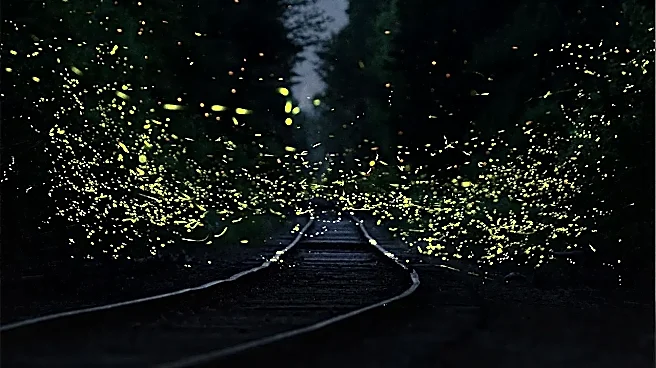
One of the biggest culprits in the firefly's decline is artificial light. For fireflies, those iconic flashes aren't just for show—they're a complex language of love. Males fly around flashing specific patterns, and interested females on the ground flash back. Artificial light from streetlamps, porch lights, and commercial buildings creates so much background noise that it drowns out these delicate signals, making it harder for fireflies to find mates. In cities and neighborhoods that have made conscious efforts to reduce light pollution—by using shielded fixtures that point downward, installing motion sensors, or simply turning off unnecessary exterior lights—fireflies have a much better chance at successful courtship. Research shows a direct link between the proximity of artificial light and a decrease in firefly presence, so every light turned off is a win for them.
A Messier Lawn Is a Better Home
The perfect, manicured lawn is a biological desert for a firefly. Fireflies spend up to two years of their lives as larvae, living in moist soil, leaf litter, and rotting logs. This is where they hunt for their favorite foods: snails, slugs, and worms. When homeowners rake up every last leaf, clear away fallen branches, and treat their lawns with broad-spectrum pesticides, they destroy both the firefly larvae and their food source. Recently, a growing trend towards more naturalistic yard management is making a difference. By letting a portion of the lawn grow longer, leaving leaves on the ground over winter, and avoiding chemical treatments, people are creating ideal firefly nurseries. Some experts suggest that simply planting native trees like pines can have a massive impact on the survival of larvae in developed areas.
The Role of Weather and Community Science
Weather also plays a significant role in year-to-year population fluctuations. Fireflies thrive in warm, humid conditions. A particularly wet spring can lead to an abundance of their larval food sources and ideal soil moisture, resulting in a bumper crop of adults emerging in the summer. Several regions have credited recent firefly booms to wetter-than-average springs. At the same time, a surge in public interest is helping researchers understand these insects better than ever. Community science initiatives like the Firefly Atlas, the Western Firefly Project, and the Atlanta Firefly Project enlist everyday people to report sightings. These programs are filling in crucial data gaps, helping to map firefly populations and identify what conservation strategies work best, proving that small, local actions can lead to a brighter future for the jewels of the night.