




A Power Shift on the Field
Not long ago, the idea of the Big Ten challenging the SEC’s top-to-bottom dominance would have been laughed out of any sports bar in America. The SEC’s mantra, “It Just Means More,” was backed by a seemingly endless assembly line of national championships.
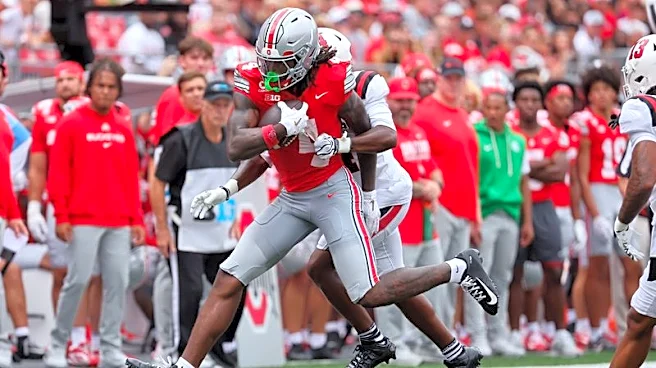
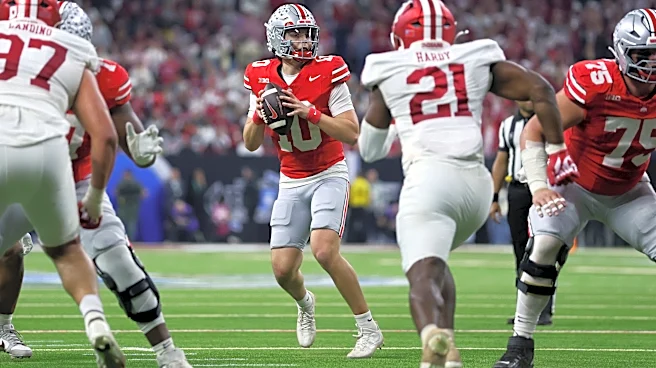
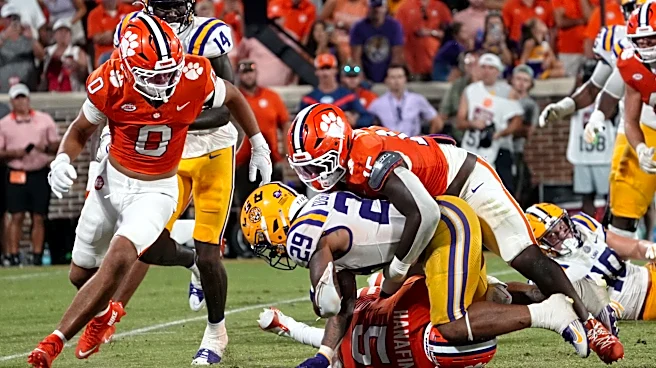
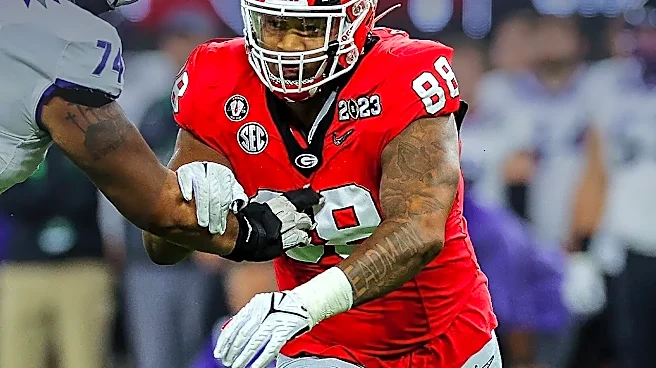
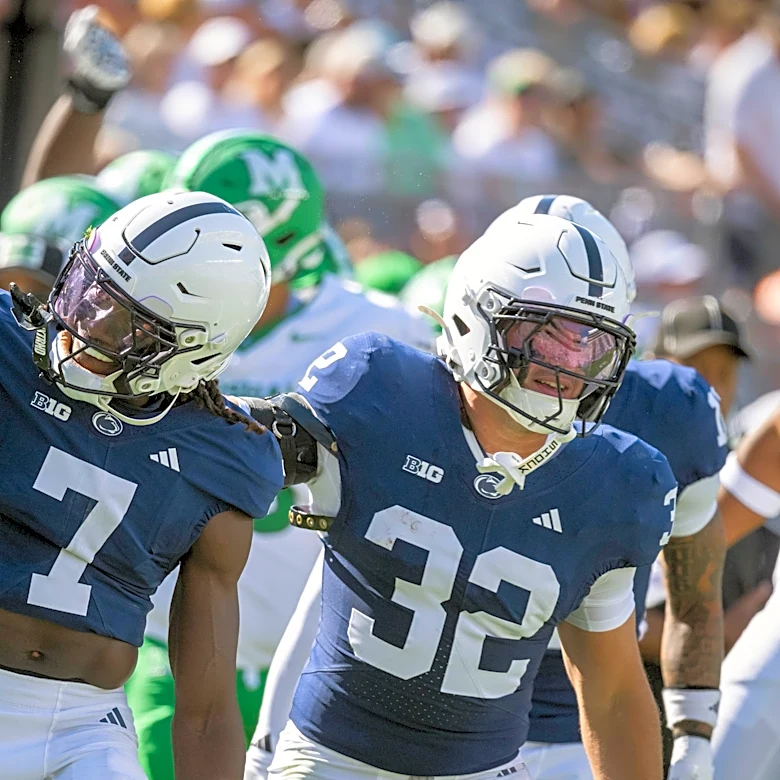
But the script has flipped. The Big Ten has now claimed the last three national titles with three different schools: Michigan in 2023, Ohio State in 2024, and a surprising Indiana team in 2025. This isn't just a fluke; it's a trend. Over the past two seasons, the Big Ten has a winning 10-7 record against the SEC, including a perfect 3-0 in the College Football Playoff. In the expanded 12-team playoff, Big Ten teams have not just shown up but have thrived, winning critical matchups. In the 2025 season alone, the Big Ten posted a 4-3 record against the SEC, culminating in Indiana's decisive 38-3 victory over Alabama in a CFP quarterfinal. While the SEC still argues it has superior depth, the Big Ten has proven it now possesses the top-end firepower to win when the stakes are highest.
Winning the War for Dollars
Modern college football is as much about broadcast rights as it is about blocking and tackling, and this is where the Big Ten has made its most decisive move. The conference’s seven-year media rights deal with FOX, CBS, and NBC is worth over $8 billion, averaging more than $1.1 billion annually. This dwarfs the SEC’s deal with ESPN, which is valued at around $3 billion over ten years. This financial windfall means Big Ten schools are projected to receive annual payouts that could reach $100 million per institution, creating a significant revenue gap over their SEC rivals. This money isn't just for bragging rights; it fuels the entire collegiate arms race. It pays for state-of-the-art facilities, nine-figure coaching contracts, and robust support systems for athletes in the new revenue-sharing era. While the SEC remains a financial behemoth, the Big Ten’s aggressive and forward-thinking media strategy has given it a clear economic advantage that will shape the competitive landscape for the next decade.
The New Map of College Football
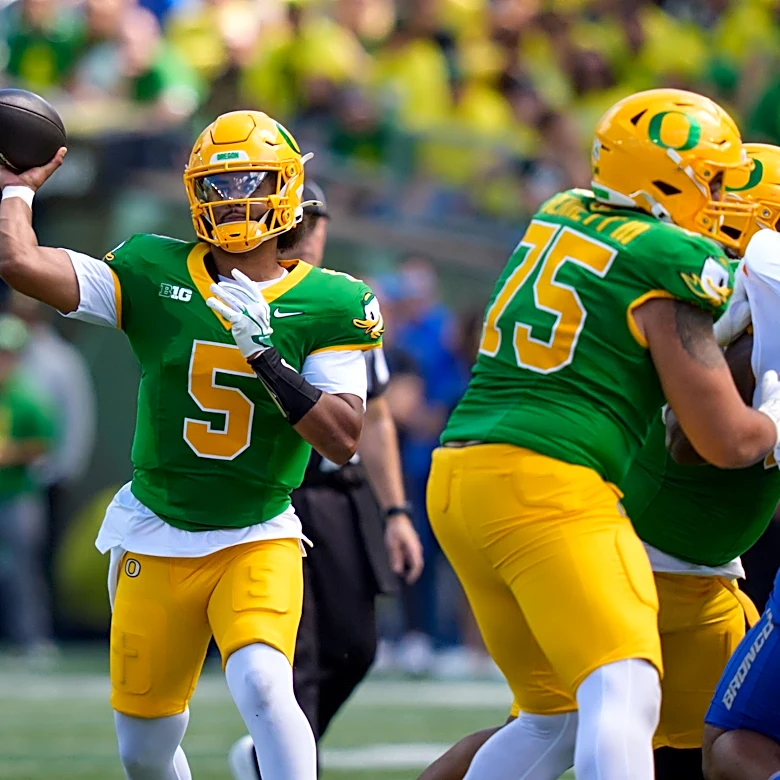
Conference expansion has redrawn the map of college football, turning two regional conferences into coast-to-coast super-leagues. The SEC struck first, adding national brands Texas and Oklahoma. But the Big Ten’s countermove was arguably more transformative. By adding USC, UCLA, Oregon, and Washington, the conference didn't just add strong football programs; it planted its flag in major media markets from the Pacific Northwest to Southern California. This coast-to-coast presence not only enhances the value of its media rights but also expands its recruiting footprint into previously untapped territories. Oregon and USC have already made their presence felt, with both finishing in the top three of the 2026 recruiting class rankings and breaking the SEC’s 18-year streak of landing the top class. This strategic expansion has turned the Big Ten into a truly national conference, challenging the SEC’s long-held geographic and cultural grip on the sport and creating a foundation for sustained, nationwide success.
The Verdict on Superiority
So, has the Big Ten won the superiority war? If winning is defined by who holds the power right now and who is best positioned for the future, the answer is a resounding yes. The SEC’s legacy of dominance through the 2010s is undeniable and cemented in history. But sports are about momentum, and the momentum has clearly shifted north. The Big Ten now has the recent national championships, the bigger bank account, and a national recruiting map that rivals or even exceeds the SEC’s. The conference has produced the last three champions, won the head-to-head matchups that matter most, and secured a financial future that is second to none. The SEC still boasts incredible depth and passion, with seven different schools making the playoff since 2024. It remains a gauntlet of a conference. However, the Big Ten has matched that intensity and surpassed it in the areas that will define the next era of college football. The war isn't over, but the Big Ten has unquestionably won the most important battle yet.