






It’s Harder to Catch Than You Think
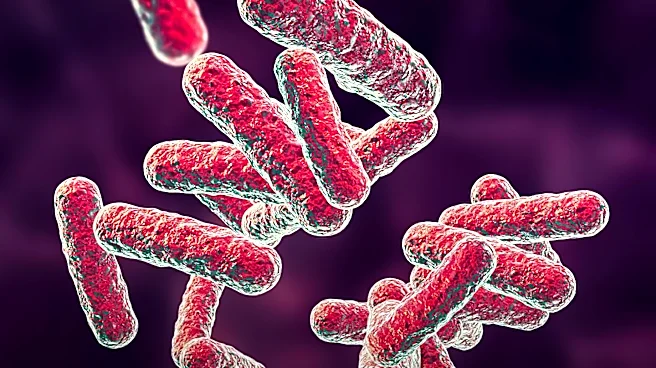
First, the nature of the virus itself is a primary defense. Unlike airborne viruses such as influenza or COVID-19 that spread through microscopic droplets in the air, Ebola is transmitted through direct contact with the blood or other bodily fluids of a person
who is already sick with the disease. You can't get it from sitting near someone on a plane or passing them in an airport. An infected person is also not contagious until they begin showing symptoms. This makes a huge difference. By the time someone is sick enough to transmit Ebola, they are usually too ill to be moving around in public, which dramatically limits their ability to spread the virus widely. This fundamental biological trait makes it far easier to contain than a respiratory virus.
An Elite Network of Hospitals Stands Ready
The U.S. doesn’t rely on just any hospital to handle a high-consequence pathogen like Ebola. Following the 2014-2016 West Africa outbreak, the Department of Health and Human Services (HHS) established a tiered system of specialized treatment centers. This network began with the hospitals that successfully treated patients in 2014, like Emory University Hospital and the University of Nebraska Medical Center, and has since expanded. Today, there is a network of 13 Regional Ebola and Special Pathogen Treatment Centers (RESPTCs) across the country, from Washington state to Georgia. These facilities are staffed with highly trained professionals who practice rigorous infection control protocols and are equipped to provide complex care while ensuring the safety of healthcare workers and the public. Any hospital that suspects a case can transfer the patient to one of these elite centers within hours.
A Well-Oiled Public Health Machine
The moment a potential case of Ebola is identified, a massive and well-practiced public health apparatus kicks into gear. The U.S. Centers for Disease Control and Prevention (CDC), in coordination with state and local health departments, leads a response built on decades of experience with infectious diseases. This involves rapid testing, immediate isolation of the patient, and meticulous contact tracing to identify, monitor, and, if necessary, quarantine anyone who may have been exposed. This system acts as a firewall, preventing the sparks of individual cases from igniting a larger blaze. While the 2014 scare revealed some gaps and caused public anxiety, it also served as a critical stress test that led to significant strengthening of this national infrastructure.
Learning the Lessons from 2014
The 2014-2016 epidemic, which saw a handful of cases diagnosed on U.S. soil, was a defining moment. It exposed weaknesses but ultimately proved the system's resilience and prompted crucial improvements. The experience led directly to the creation of the national network of specialized treatment centers and reinforced the need for strict personal protective equipment (PPE) protocols. It also improved coordination between federal agencies, state governments, and local hospitals. Subsequent events have shown these lessons were learned. When Guinea faced another Ebola outbreak in 2021, local, CDC-trained disease detectives were able to contain it quickly, stopping it after only 23 cases—a testament to the value of investing in and maintaining public health capacity both at home and abroad.