

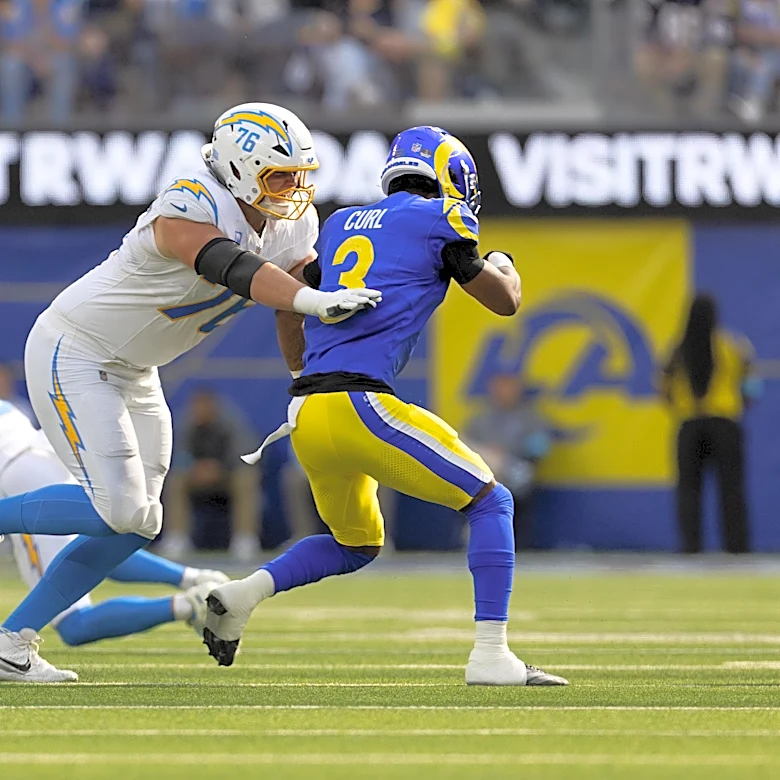

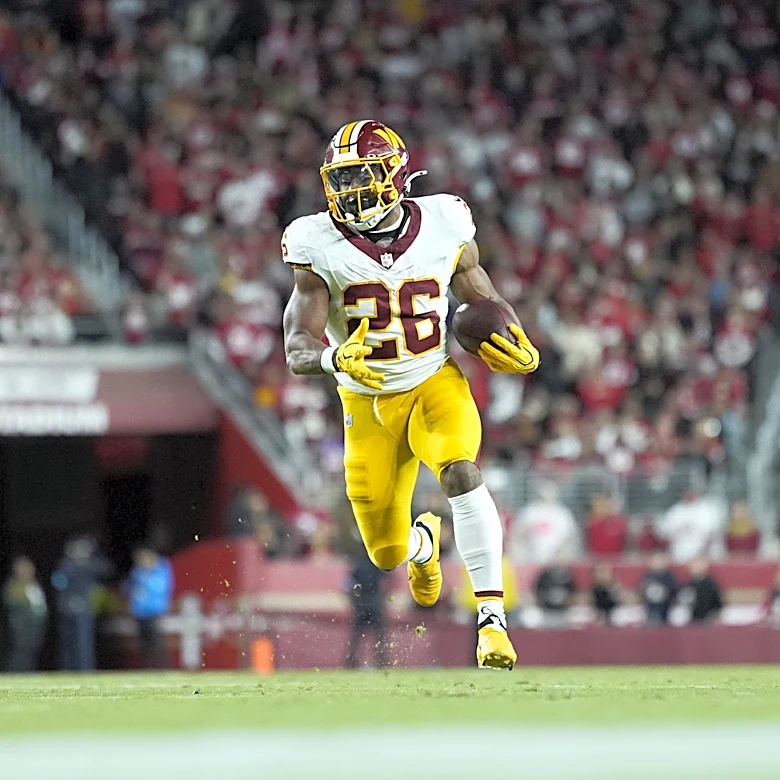

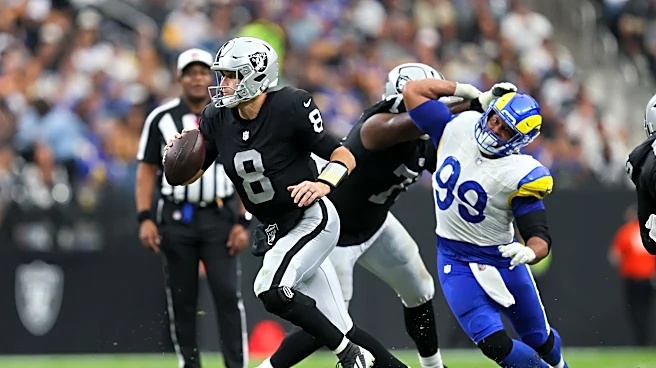
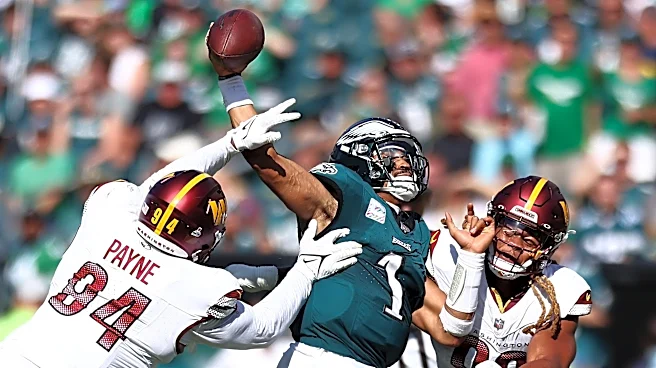

For decades, stopping the run in the NFL meant one thing: brute force. But as offenses get faster and more creative, the old playbook is failing. Defensive coordinators are now in a tactical arms race, trading size for speed to survive.
The Problem: A New Breed of Offense
The challenge facing
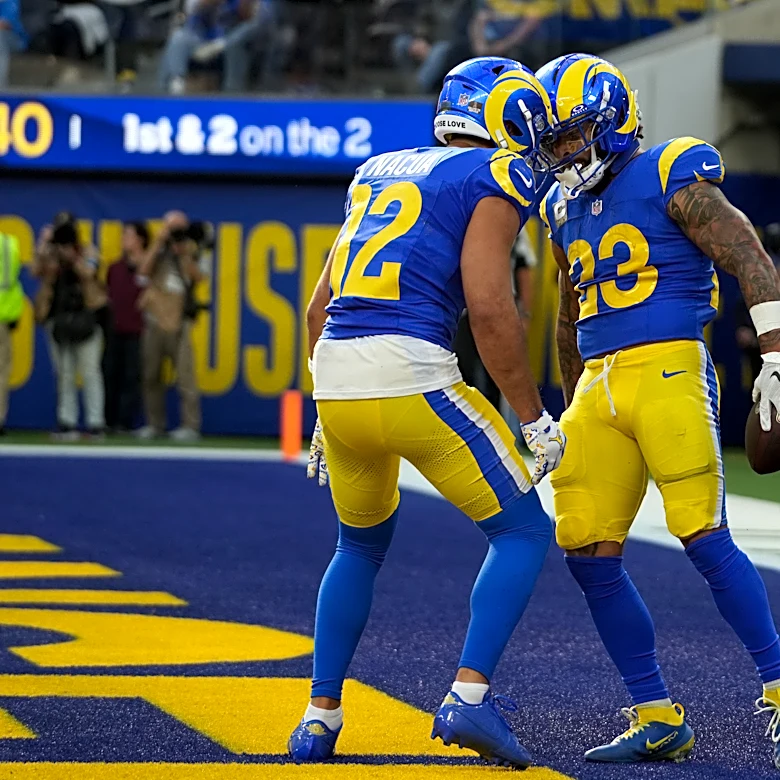
modern defenses isn't just one thing; it's a perfect storm of offensive evolution. First, the quarterback is no longer just a passer. With hyper-athletic QBs who are legitimate running threats, offenses gain an extra blocker in the run game, creating a numbers problem for the defense. Second, schemes like the wide zone are designed to stretch defenses horizontally, forcing linebackers to run sideline to sideline before a back makes a single, decisive cut. Add in a heavy dose of pre-snap motion and play-action, and you have offenses that create confusion and exploit the slightest hesitation. The days of predicting a run based on a heavy personnel group are over. Teams like the Rams have found success using three tight ends ('13 personnel') to create mismatches, forcing defenses to choose between stopping the run with bigger bodies or defending the pass against athletic tight ends.
The Old Solution Is Failing
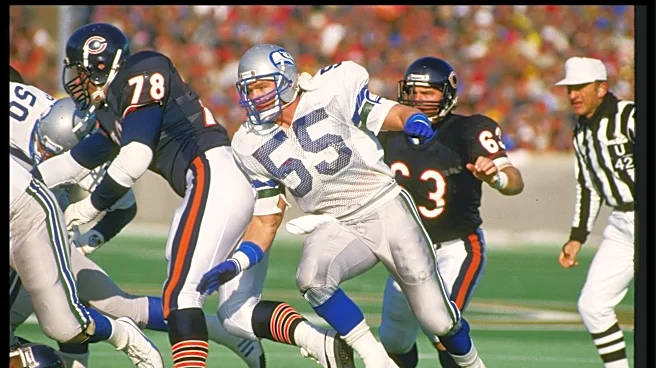
The traditional answer to a strong running game was to 'stack the box'—bring an extra defender, usually a safety, close to the line of scrimmage. This created a numbers advantage for the defense. That strategy is now fraught with risk. Loading the box leaves cornerbacks on an island against explosive receivers, and modern pass-heavy offenses are built to exploit that. Furthermore, the personnel required for that old-school approach—massive, run-stuffing defensive tackles and stout, downhill linebackers—can be too slow to handle today's challenges. They struggle to get to the edge to contain outside runs and can be liabilities in coverage when a play-action pass sends a tight end down the seam. Defenses that remain big and slow get dictated to, unable to adapt once the ball is snapped.
The New Philosophy: Get Lighter, Faster
In response, a new defensive philosophy is taking hold: prioritize speed and versatility above all else. Defenses are increasingly comfortable playing with 'light boxes', meaning only six or even five defenders near the line of scrimmage. This requires a different kind of player. Instead of 330-pound nose tackles, teams are using quicker, more disruptive defensive linemen who can shoot gaps. The biggest shift is in the back seven. The 'Big Nickel' is now a common package, where a hybrid safety who is strong enough to play the run but fast enough to cover a slot receiver becomes a key chess piece. This allows defenses to stay in formations that look like they're built to stop the pass—often with two deep safeties to prevent explosive plays—but have the personnel to react quickly to the run. It's a calculated gamble that superior athleticism can make up for a lack of pure size.
The Unavoidable Trade-Off
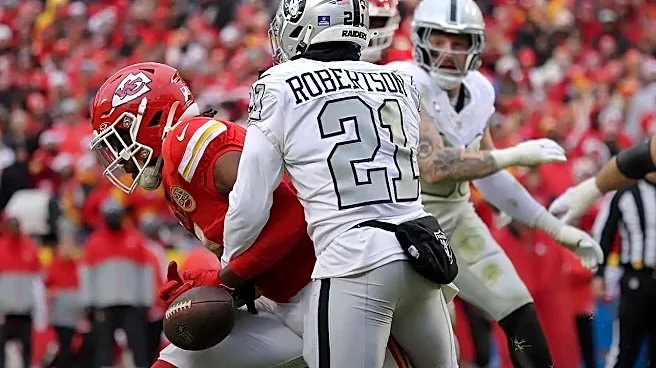
This evolution isn't without its risks. Playing with lighter personnel creates a razor-thin margin for error. While a fast, hybrid defense is designed to handle the modern spread out run game, it can be vulnerable to old fashioned, power running attacks right up the middle. If a single defender misreads a play or gets caught out of position, there are fewer large bodies in the box to clean up the mistake. A four yard gain can quickly become a 20 yard chunk play. Data from recent seasons shows that while base defensive personnel can be highly effective at stopping the run, the efficiency drops significantly when teams shift to lighter sub packages to defend the pass. This is the central conflict for every defensive coordinator how do you build a unit that can defend the pass happy nature of todays league without getting run over in the process?