






The California Condor
By 1987, North America’s largest land bird was extinct in the wild. Every single one of the 27 remaining California condors was in captivity, the victim of lead poisoning, habitat loss, and pesticides like DDT. It was a last-ditch effort to save a species
on the absolute brink. For decades, it seemed like a lost cause. But a meticulous captive breeding program became one of conservation’s most dramatic success stories. Reintroductions began in the early 1990s, and today, the population has soared to over 600 individuals, with more than half flying free in the skies of California, Arizona, Utah, and Baja California. Seeing a condor, with its nearly 10-foot wingspan, is no longer an impossible dream, but a testament to what dedicated intervention can achieve.
The North American River Otter
It’s hard to imagine American rivers without these playful, charismatic predators, but by the mid-20th century, they had vanished from many states. Unregulated fur trapping, habitat destruction, and rampant water pollution had decimated their populations. Their comeback wasn’t an accident; it was engineered. The 1972 Clean Water Act began the process by making their habitats livable again. Then, from the 1970s through the 1990s, wildlife agencies in over 20 states undertook ambitious reintroduction programs, trapping otters in healthy populations and relocating them to their former territories. Today, river otters are thriving across much of the country, their return serving as a living indicator of the health of our nation's waterways. Their presence signals that a river is once again clean enough to support a complex ecosystem.
The Black-Footed Ferret
This prairie specialist was not just endangered; it was believed to be extinct—twice. After the last known captive ferret died in 1979, the species was written off. Then, in 1981, a small, isolated colony was discovered by a ranch dog in Wyoming. That tiny population of 18 animals became the foundation for a stunning recovery. Through an intensive captive breeding and reintroduction program, the black-footed ferret has been pulled back from oblivion. Their fate is tied to that of prairie dogs, their primary food source, making their conservation a complex ecological challenge. Yet, today more than 300 ferrets live in the wild across the American West, a remarkable turnaround for a species that was, for all intents and purposes, already gone.
The Gray Wolf
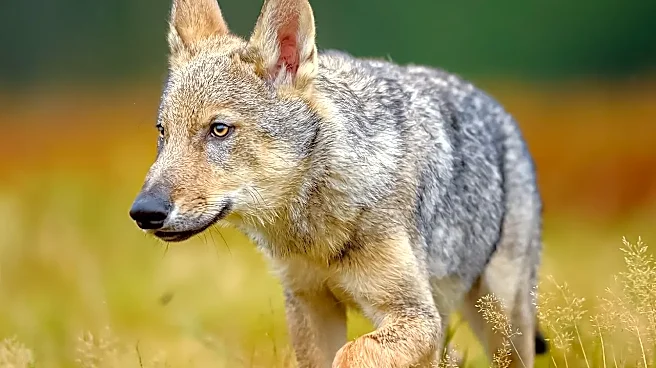
No American animal inspires such a mix of reverence and conflict. By the mid-20th century, government-backed extermination campaigns had eliminated gray wolves from nearly all of the lower 48 states. Their recovery is a story of both natural resilience and direct intervention. Protected under the Endangered Species Act, remnant populations in the Great Lakes region began to expand. The most famous chapter, however, was the controversial but ecologically transformative reintroduction of wolves to Yellowstone National Park and central Idaho in the 1990s. Since then, wolf populations have rebounded significantly in the Northern Rockies and Pacific Northwest. Their return remains a subject of intense debate, but it stands as one of the most significant and unexpected ecological restoration stories in U.S. history.
The Humpback Whale
The comeback of the humpback whale is a global success on a massive scale. The era of commercial whaling devastated their numbers, with some populations shrinking by more than 95 percent. They were on a fast track to extinction. The turnaround began with the 1986 international moratorium on commercial whaling, coupled with protections under the U.S. Endangered Species and Marine Mammal Protection Acts. In the decades since, many populations have made a spectacular recovery. In 2016, U.S. officials declared that nine of the world's 14 distinct humpback populations had recovered so well they no longer required endangered species protection. While threats like ship strikes and fishing gear entanglement remain, the return of their haunting songs to oceans around the world is a powerful reminder that global cooperation can reverse even the most severe declines.