









In our quest for better sleep, we’re often told to commit to lengthy, exhausting workouts. But what if the secret to a more restful night is hiding in small, manageable doses of movement? Here’s how short bursts of exercise can work for you.
The Short Answer: A Resounding Yes
Good news
for the time-crunched: You don't need to run a marathon to sleep better. Studies show that even short bouts of physical activity can significantly improve sleep quality. The concept, sometimes called 'exercise snacking,' involves breaking up long periods of sitting with brief moments of movement. These micro-workouts, spread throughout the day, can help you fall asleep faster, enjoy more restorative deep sleep, and wake up feeling more refreshed. The key isn't necessarily the duration of any single session but the consistency of incorporating movement into your daily routine. Even 10 minutes of walking a day can make a positive difference.
How a Little Movement Goes a Long Way
The magic of exercise on sleep comes down to a few key biological processes. Physical activity helps regulate your body’s internal clock, or circadian rhythm, which governs your sleep-wake cycle. It can reduce stress by lowering cortisol levels and triggering the release of mood-stabilizing endorphins, helping to decompress the mind before bed. Furthermore, exercise raises your core body temperature. The subsequent cooling-down period a few hours later sends a natural signal to your brain that it's time to wind down and prepare for sleep. This combination of hormonal and thermal regulation helps create the ideal internal environment for a restful night.
The 'What' and 'When' of Quick Workouts
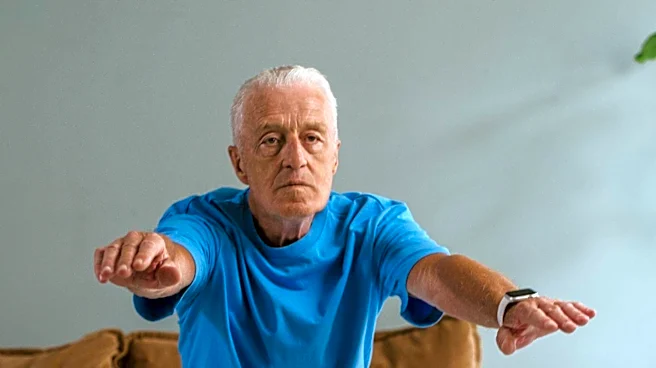
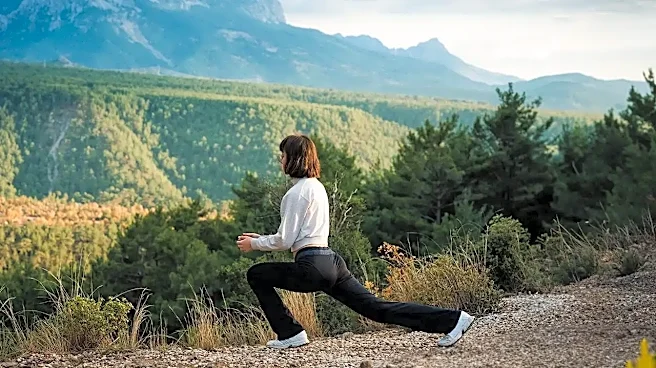
So, what counts as a 'short burst'? Anything that gets your heart rate up qualifies. Think a brisk 10-minute walk during your lunch break, a few flights of stairs instead of the elevator, a quick bodyweight circuit of pushups and squats, or even a living room dance party. The goal is moderate-intensity activity. For timing, many experts point to morning or afternoon as ideal. A morning workout can help set your circadian rhythm for the day, while an afternoon session leverages the body-temperature drop in the evening to promote sleepiness. While a common myth suggests avoiding all evening exercise, research shows that moderate activity within a few hours of bedtime is fine for most people and can even be beneficial.
A Note on High-Intensity Exercise
High intensity interval training (HIIT) is known for its efficiency, but its relationship with sleep is more complex. While HIIT can improve sleep quality, especially for those with conditions like sleep apnea, timing is crucial. Engaging in vigorous exercise too close to bedtime—generally within 90 minutes to two hours—can be counterproductive for some. It can elevate heart rate, adrenaline, and core body temperature, signaling to your body that it's time to be alert, not to rest. For this reason, many people find that calming activities like gentle stretching or yoga are better choices for late evening movement. Ultimately, the best approach is to listen to your body and see what works for you.
Consistency Is Your Superpower
While even a single session of exercise can offer immediate, though small, improvements in sleep, the most significant benefits come from building a consistent habit. Regular physical activity, even in short bursts, compounds over time to produce profound changes in sleep architecture, increasing the amount of deep, restorative sleep you get each night. Rather than aiming for one heroic, exhausting workout per week, focus on integrating small, sustainable pockets of movement into your daily life. A 15 minute walk every day is far more powerful for your long term sleep health than an intense hour at the gym once a month. The goal is to make movement a non negotiable part of your routine, just like brushing your teeth.