





Faced with damaged coastlines and dwindling fish populations, scientists and communities are turning to a creative solution: building new homes for marine life from scratch. But can these man-made structures truly restore what we've lost?
An Underwater Housing Boom
An artificial
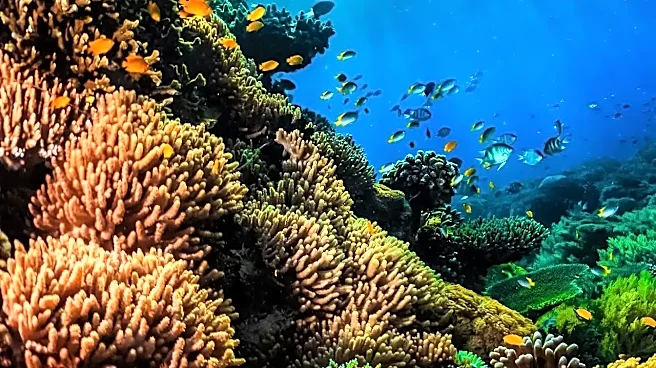
reef is a human-made structure placed on the seafloor to mimic a natural reef. For decades, this has been a catch-all term for everything from intentionally sunken ships and old subway cars to custom-engineered concrete modules. The basic idea is simple: in areas where the ocean floor is a barren, featureless plain of sand, these structures provide the complex, hard surfaces that many marine organisms need to thrive. Think of it as building a new apartment complex in a desert. Algae and bacteria are the first to colonize the new surfaces, followed by corals, sponges, and barnacles, creating a foundation that attracts fish and other creatures seeking food and shelter.
The Promise of a Thriving Ecosystem
When done right, the benefits of artificial reefs are compelling. They provide critical habitats for marine life where natural reefs have been degraded by pollution, climate change, or other human activities. For fish, the nooks and crannies offer shelter from predators and a place for juveniles to grow, which can help support local fisheries. These new underwater hotspots also create significant economic opportunities, boosting local economies by attracting recreational fishers and scuba divers. In some cases, they can even help protect coastlines by acting as submerged breakwaters that reduce wave energy.
Attraction vs. Production: The Great Debate
A key scientific debate centers on whether artificial reefs actually produce more fish or simply attract them from surrounding areas. The 'attraction' hypothesis suggests that reefs act like fish magnets, concentrating existing populations and making them easier to catch. This could potentially worsen overfishing by making the remaining adult fish more vulnerable. The 'production' argument, however, posits that by providing more shelter and food, the reefs lead to higher survival rates and successful reproduction, resulting in a net increase in fish biomass. Most scientists now believe both processes occur, and the outcome depends on the specific location, the reef's design, and the species involved.
When Good Intentions Go Wrong
The history of artificial reefs is littered with cautionary tales. One of the most infamous examples is the Osborne Reef project off the coast of Fort Lauderdale, Florida, where millions of tires were bundled and sunk in the 1970s. The bundles eventually broke apart, and the tires began washing ashore and damaging natural coral reefs nearby, creating an environmental disaster instead of a habitat. Using the wrong materials can lead to toxic chemicals leaching into the water, while poorly sited reefs can be destroyed by storms and become hazardous marine debris. There are also concerns that some structures can accidentally trap sea turtles and other marine life.
The Blueprint for a Successful Reef
Learning from past mistakes, modern artificial reef projects are now highly engineered and science-driven. Success depends on several key factors: careful site selection, the use of stable and non-toxic materials, and having clear ecological goals with longterm monitoring. Today, purposebuilt structures made from marinegrade concrete, steel, or limestone are common. Companies now specialize in creating complex modules like 'reef balls' designed to maximize surface area for colonization and provide varied shelter spaces. Some projects even integrate active restoration, where coral fragments grown in nurseries are transplanted onto the new structures to jumpstart the ecosystem's growth.