



An Eclipse Isn't Just One Thing
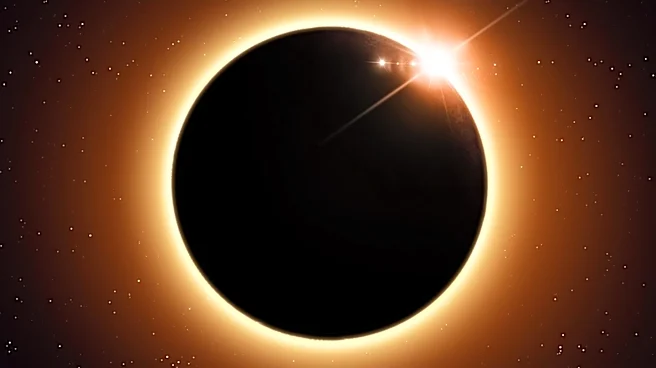
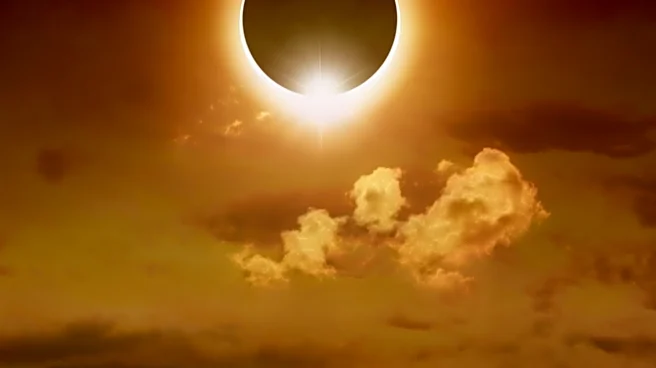
First, let's clarify what we mean by a "solar eclipse." It's not a monolithic event. There are three main types, and the one you see depends on a few celestial variables. A total solar eclipse, the showstopper, is when the Moon completely blocks the Sun,
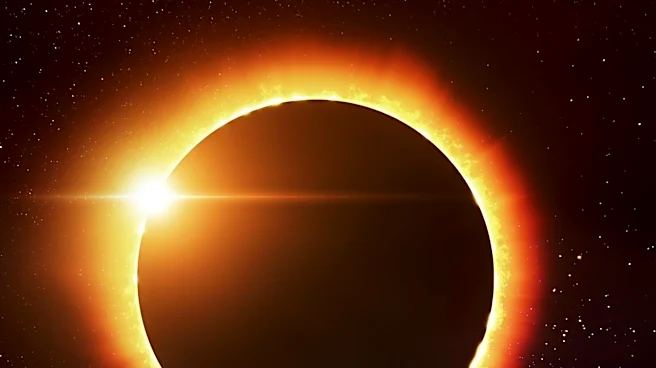
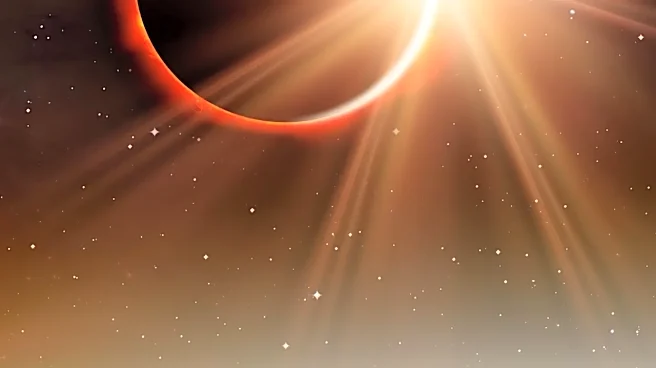
revealing its ethereal outer atmosphere, the corona. A partial solar eclipse is more common and occurs when the Moon only obscures part of the Sun, making it look like a bite has been taken out of it. Finally, there's an annular eclipse. This happens when the Moon is farther away from Earth in its elliptical orbit and appears slightly smaller in the sky, so it can't completely cover the Sun. Instead, it creates a stunning "ring of fire" around the Moon's silhouette.
The Global Frequency
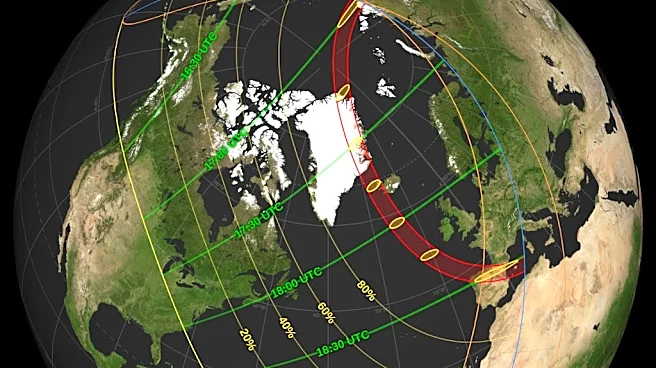
So, how often do these events happen anywhere on Earth? The numbers might surprise you. Each calendar year has a minimum of two solar eclipses and can have as many as five, though that's extremely rare. The last time we had five was 1935, and the next won't be until 2206. Most years see just two solar eclipses. Of all these events, total solar eclipses are the least frequent. On average, a total solar eclipse occurs somewhere on the planet about every 18 months. But just because they happen doesn't mean they're easy to see. The path of totality—the narrow track where the full eclipse is visible—is often just a hundred miles wide and frequently crosses over oceans or remote, unpopulated regions.
Why Not Every New Moon?
This is the core of the question. We have a new moon every month when the Moon passes between Earth and the Sun. So why doesn't its shadow fall on us every time? The reason is a matter of orbital mechanics: the Moon's orbit is tilted. It’s angled at about five degrees relative to Earth's orbit around the Sun. Think of two hula hoops, one nestled inside the other, but with one tilted slightly. Earth orbits the Sun on one plane (the ecliptic), while the Moon circles Earth on its own tilted path. Because of this tilt, the Moon's shadow usually passes either above or below Earth during the new moon. An eclipse only happens when the new moon occurs at the exact moment it crosses Earth's orbital plane—a point astronomers call a node.
The Rarity at Your Doorstep
This brings us to the real reason total eclipses feel like a once-in-a-lifetime event. While one happens every 18 months somewhere on Earth, the chances of one happening in your specific town are incredibly slim. The path of totality is so narrow that it's rare for it to fall over the same spot twice. On average, any given location on Earth will see a total solar eclipse only once every 360 to 410 years. This figure is an average; some lucky spots might see two in a decade, while others might wait for over a millennium. This is what drives eclipse chasers to travel the globe—you can't just wait for the universe's greatest show to come to you.