





The Tools of the Trade
Before any strategy can be planned, you have to know your weapons. For each race weekend, F1’s sole supplier, Pirelli, provides three types of dry-weather 'slick' tires. These are color-coded for easy identification: red for soft, yellow for medium, and
white for hard. The trade-off is simple: the softest tires offer the most grip and speed but wear out the fastest. The hard tires are the most durable but provide the least grip and take longer to get up to optimal temperature. The mediums, as the name suggests, offer a balance between the two. The rules mandate that in a dry race, a driver must use at least two different types of these slick compounds, ensuring at least one pit stop and forcing a strategic decision.
The Art of the Pit Stop Window
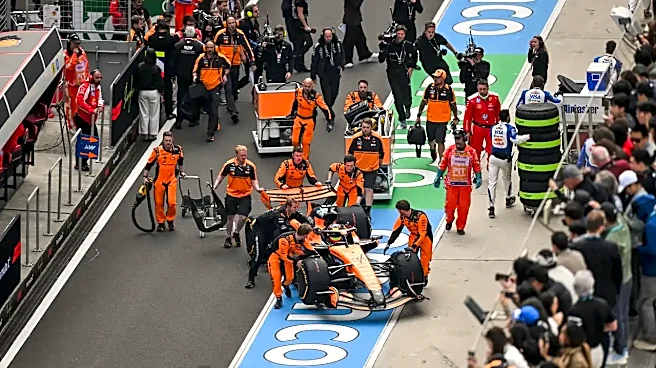
A race isn't won with a single fast lap, but by having the lowest total race time. This is where the 'pit window' comes in. It's not an official rule, but a strategic concept: the ideal range of laps for a driver to pit. Teams calculate this window based on how quickly their tires are degrading versus the time it takes to complete a pit stop—typically 20-25 seconds from pit entry to exit. Pit too early, and your fresh tires might not last to the end of the race. Pit too late, and you’ll have lost significant time driving on worn-out rubber. Strategists on the pit wall constantly analyze data from the car and driver feedback to pinpoint the perfect moment to make the call, balancing raw pace against tire life.
The Undercut: An Ambush in the Pits
One of the most powerful moves in a strategist’s playbook is the 'undercut'. This tactic is used by a chasing car to overtake a rival without ever having to pass them on the track itself. Here’s how it works: the chasing driver pits a lap or two before the car they're trying to pass. Armed with fresh, grippy tires, they can then put in a blistering 'out-lap' while their rival is still circulating on older, slower rubber. By the time the lead car pits and rejoins the track, the driver who pitted early has often made up enough time to speed past and take the position. It’s an aggressive, high-reward move that can completely change the order of a race.
The Overcut: The Power of Patience
The 'overcut' is the strategic opposite of the undercut and is a rarer, more patient maneuver. Instead of pitting early, a driver will deliberately stay out on their old tires after a rival has pitted. This strategy works best on tracks where tires are slow to warm up or where the lead car is likely to rejoin the race in heavy traffic, slowing them down. By staying out in 'clean air,' the driver on older tires can sometimes lap faster than their rival who is stuck behind slower cars or struggling to get their new, cold tires up to temperature. If they can build a large enough gap, they can then make their own pit stop and emerge still ahead. It's a calculated gamble on track position over immediate tire advantage.
Reacting in Real-Time
While teams arrive at the track with a primary strategy based on thousands of simulations, no plan is foolproof. A sudden downpour can render slick tires useless, forcing a switch to green-striped intermediates or blue full wets. A safety car period is another huge variable. Because all cars on track must slow down, the time lost by making a pit stop is dramatically reduced. This creates a 'cheap' pit stop, an opportunity too good for teams to pass up, often leading to a flurry of cars diving into the pit lane and throwing pre-race plans out the window. The best strategists are those who can adapt in a split second, turning chaos into a race-winning opportunity.