
The Power and Peril of the Pick
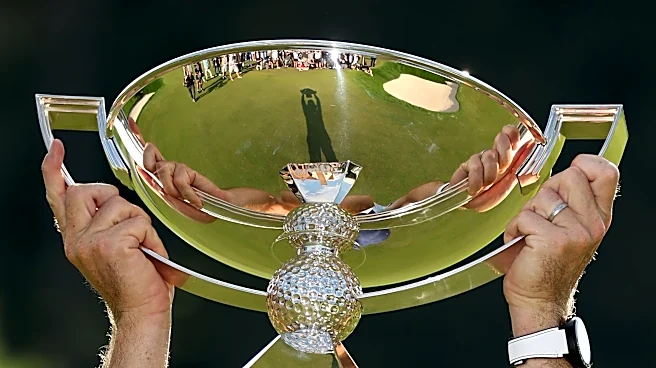
Every two years, a dozen players from the United States and Europe assemble to battle for national pride and a small golden trophy. Most of these players earn their spots through a grueling, multi-year points race, a testament to their sustained excellence.
But a handful of spots are different. These are the captain’s picks—wildcard selections that allow a captain to round out their roster based on gut feeling, specific course needs, or a player’s perceived chemistry in the team room. First introduced for European teams in 1979 and adopted by the U.S. a decade later, these selections are a captain's ultimate expression of control. They are also a minefield of second-guessing and potential regret. Pick a veteran who goes 0-4 and the captain is a fool who relied on past glory. Pick a hot rookie who crumbles under the pressure, and the captain is accused of ignoring experience. It’s a choice with no easy answers, and its consequences are immediate and unforgiving.
Ghosts of Selections Past
History is littered with the ghosts of captain’s picks gone wrong. In 1995, U.S. Captain Lanny Wadkins selected his friend Curtis Strange, a two-time U.S. Open champion who hadn't won in six years. The pick was based on pedigree and major championship performance, but Strange went on to lose all three of his matches, contributing directly to a narrow European victory. Four years later, Europe's Mark James controversially picked Andrew Coltart and then inexplicably benched him for the first two days of team play. When a fatigued European squad collapsed in the Sunday singles, the un-tested Coltart was thrown into the fire and lost, becoming a symbol of a flawed strategy. More recently, Zach Johnson's 2023 picks were criticized as a 'boys club' selection, particularly his choice of a struggling Justin Thomas over in-form players like Keegan Bradley. When the U.S. team was soundly defeated in Rome, the picks became an immediate and painful focal point of the loss.
The 'Hot Hand' vs. 'The Steady Vet'
The fundamental dilemma for any captain is weighing current form against battle-tested experience. Do you take the player who just won twice but has never faced the unique, suffocating pressure of a Ryder Cup? Or do you opt for the established veteran who knows the format inside and out but has spent the season struggling to make cuts? There is no correct formula. In 2018, U.S. Captain Jim Furyk loaded his team with iconic veterans Tiger Woods and Phil Mickelson as captain’s picks. The result was a disaster, as the duo went a combined 0-6-0 and the U.S. was routed in Paris. Conversely, European captains have often found magic by trusting experienced Ryder Cup warriors like Ian Poulter or Sergio Garcia, who seem to transform into different players in the team format, regardless of their form coming in. It's a gamble every time, and the captain is the only one who has to live with the outcome.
The Crucible at Adare Manor
As the golf world looks ahead to the 2027 Ryder Cup at Adare Manor in Ireland, the familiar pressure is already building on the respective captains, Luke Donald for Europe and Jim Furyk for the United States. Both men are intimately familiar with the burden of this decision. Furyk captained the losing 2018 side, where his picks contributed just two points. Donald, celebrated for his meticulous leadership in Europe's 2023 victory, will face a new set of challenges and expectations. The rise of new talent, the shifting allegiances in professional golf, and the simple, unpredictable nature of player form will conspire to make their selections as difficult as ever. They will be forced to weigh loyalty against analytics, momentum against experience, and their choices will be scrutinized and debated long before they arrive in Ireland. The players will decide the matches, but the captains' pre-tournament decisions will set the stage for either glory or regret.