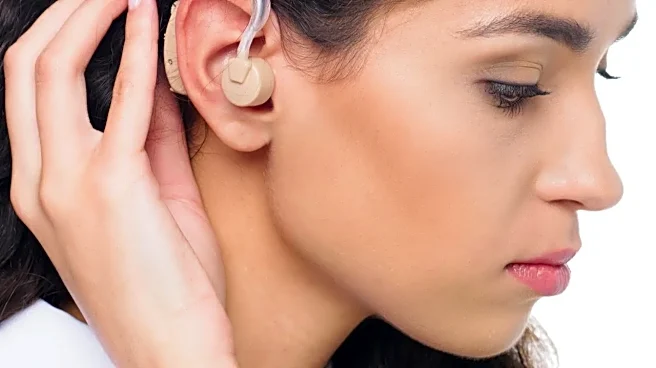










From the morning commute to a workout, and through the entire workday, headphones and earbuds have become our constant companions. But this ever-present habit, as normal as checking your phone, might be setting you up for gradual, permanent harm.
Your Ears' Constant Companion
Think
about your day. There’s a good chance it involves a private soundtrack delivered directly to your ears. You might listen to a podcast while making breakfast, take work calls on the go, tune into a playlist at the gym, or unwind with a show at night. Headphones and earbuds are no longer just accessories; they are essential tools for navigating a busy, noisy world. Their convenience is undeniable, offering a bubble of personal space and focus. But this constant usage has created a new, widespread health risk that unfolds so slowly, most people don't notice it until it's too late.
The Real Danger: Volume and Time
The problem isn't the headphones themselves, but how we use them. The risk comes from a combination of two factors: how loud you listen and for how long. Experts warn that prolonged exposure to any sound above 85 decibels—roughly the level of a gas-powered lawnmower or busy city traffic—can cause permanent hearing damage. Many personal audio devices can easily reach 100-110 decibels at max volume, a level that can start causing harm in less than 15 minutes. The damage is cumulative, meaning that even moderate volumes, if listened to for hours every day, slowly wear down the delicate structures of your inner ear.
How Hearing Damage Actually Happens
Inside your inner ear are thousands of microscopic hair cells that vibrate in response to sound, converting those vibrations into electrical signals your brain interprets. When exposed to loud noises, these tiny cells are overstimulated and can be damaged or destroyed. Unlike other cells in your body, once these hair cells are gone, they do not grow back. The loss is permanent. Because it often happens gradually, you might not notice the subtle degradation of your hearing day to day. You just find yourself turning the volume up a little higher each year to get the same clarity.
Early Warning Signs to Watch For
Noise-induced hearing loss often sneaks up on you. Before you have trouble hearing conversations, your body may be sending subtle signals. One of the most common is tinnitus—a persistent ringing, buzzing, or hissing sound in your ears, especially after a listening session. Another sign is temporarily muffled hearing, where sounds seem distant or unclear right after you take your headphones off. You might also find it harder to understand speech in noisy environments like restaurants, or feel a sense of pressure or fullness in your ears. These are your ears' alarm system, telling you they are being stressed.
Simple Rules for Smarter Listening
The good news is that this type of hearing loss is highly preventable. You don't have to give up your headphones, just adopt smarter habits. The most popular guideline is the 60/60 rule: listen at no more than 60% of your device's maximum volume for no more than 60 minutes at a time. After an hour, take a break for at least 5–10 minutes to let your ears rest. In noisy places, resist the urge to crank up the volume. Instead, consider using noise–canceling headphones, which block out ambient sound and allow you to listen comfortably at a lower, safer level. Many modern smartphones also have built–in safety features that let you monitor your listening levels and set a maximum volume limit.