







The Water Hoarders
The most famous desert survivors are the succulents, and their strategy is simple: hoard water. Plants like cacti and agaves are living cisterns. During rare downpours, they absorb staggering amounts of water through extensive, shallow root systems that
spread out just below the surface to catch every drop before it evaporates. This water is then stored in their fleshy, expanded stems and leaves. To protect this precious resource, cacti feature a thick, waxy skin that makes them nearly waterproof, drastically reducing evaporation. And those iconic spines? They're not just for defense against thirsty animals. The spines are actually modified leaves that minimize surface area to prevent water loss and even provide a bit of shade, keeping the plant cooler.
The Deep Drinkers
While succulents sip from the surface, another group of plants, called phreatophytes, bypasses the problem of infrequent rain entirely. These plants, including trees like mesquite and cottonwood, employ a brute-force approach: they grow incredibly deep roots. Instead of waiting for rain, their roots tunnel downward, sometimes over 100 feet, to tap directly into underground aquifers or the permanent water table. By accessing a constant, hidden water source, these plants can remain green and lush even when the surface soil has been bone-dry for years. They are, in essence, drinking from a natural well that they drilled themselves, effectively ignoring the surface-level drought that defines their environment.
The Great Escapers
Some plants survive the desert not by enduring the drought, but by dodging it entirely. These are the ephemerals, or desert wildflowers. They spend most of their lives—sometimes for years or even a decade—as dormant seeds buried in the soil. These seeds are nature's ultimate survival pods, waiting for a very specific trigger: a significant rainfall at just the right temperature. When the conditions are perfect, they explode into action, compressing their entire life cycle into just a few weeks. They germinate, grow, flower, and produce new seeds with astonishing speed before the moisture disappears. Then they die, leaving the next generation of seeds to wait for the next big rain, effectively escaping the harshest conditions. In the driest habitats, these fast-living species can make up 90% of the plant life.
The Undead Artists
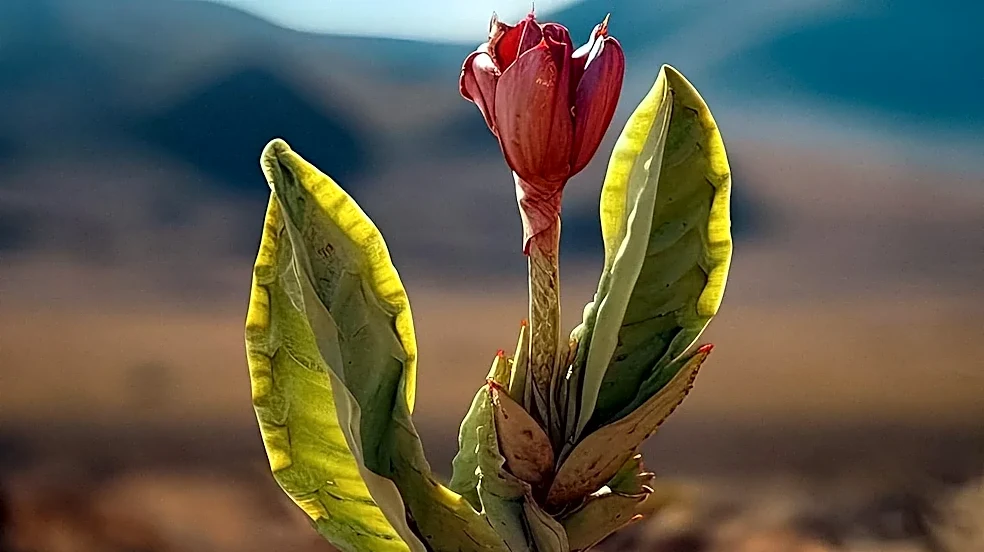
Perhaps the most bizarre and fascinating strategy belongs to a group known as 'resurrection plants'. These remarkable species have the ability to endure almost complete desiccation, losing up to 95% of their water content. To an observer, they appear completely dead—brittle, brown, and lifeless. But they are merely playing dead. They enter a state of suspended animation, shutting down their metabolic processes. When rain finally returns, even a small amount can trigger a miraculous transformation. Within hours, the plant rehydrates, turns green, and resumes its life as if nothing happened. This ability to tolerate and recover from extreme dehydration is a complex biological feat, allowing them to outlast droughts that would kill almost any other plant.