

Sugary Drinks and Snacks
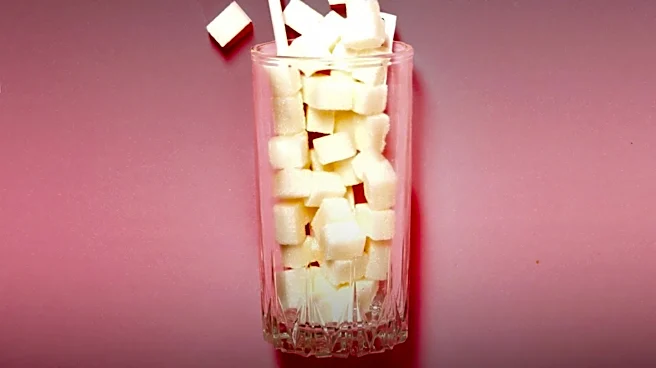
That candy bar or can of soda provides a rapid burst of energy, which can feel good for a moment. But it comes at a cost. Sugary items cause your blood sugar to spike and then crash. This rollercoaster effect can mimic the symptoms of a panic attack,
leaving you feeling jittery, irritable, and even more anxious than before. This is because your body releases hormones like cortisol—the primary stress hormone—to manage these sudden energy shifts, adding physiological stress on top of your emotional stress. Over time, this can disrupt mood-regulating brain chemicals, making it harder for your body to find its equilibrium.
Excessive Caffeine
Many of us rely on coffee or an energy drink to power through a stressful day, but it’s often a double-edged sword. Caffeine is a stimulant that triggers the release of adrenaline, putting your body into a state of high alert, similar to a 'fight-or-flight' response. If you're already stressed, adding more caffeine can heighten feelings of restlessness, increase your heart rate, and lead to jitters. It can also significantly disrupt your sleep, and poor sleep is a major contributor to stress. While a small amount might be fine, overdoing it can easily push you from alert to anxious.
Alcohol
A glass of wine at the end of a hard day can feel like a perfect way to unwind. Alcohol can temporarily quiet your brain and reduce social anxiety. However, these effects are short-lived. As the alcohol wears off, it can lead to a rebound effect, making you feel more anxious than you did before. It negatively impacts your brain's levels of serotonin and other neurotransmitters that regulate mood. Furthermore, alcohol disrupts your sleep architecture, preventing the restorative deep sleep your brain and body need to recover from stress.
Refined Carbohydrates
Comfort foods like white bread, pastries, and pasta fall into the category of refined carbohydrates. These foods have been stripped of their fiber and nutrients during processing. Much like sugar, your body digests them very quickly, leading to the same blood sugar spikes and subsequent crashes that can fuel feelings of anxiety and fatigue. Studies have shown a link between diets high in refined grains and a greater severity of anxiety and depression symptoms. These foods offer a fleeting sense of comfort but do little to provide the sustained energy your body needs to effectively manage stress.
Highly Processed and Fried Foods
When you're short on time and high on stress, fast food or a bag of chips can seem like the easiest option. However, these highly processed items are often loaded with unhealthy fats, sodium, and artificial additives that promote inflammation in the body. Chronic inflammation is increasingly linked to mood disorders, including anxiety and depression. A diet heavy in processed meats, fried foods, and other convenience meals can negatively impact gut health, which plays a surprisingly large role in producing mood-stabilizing neurotransmitters like serotonin.