





The Case for Father Time's Victory
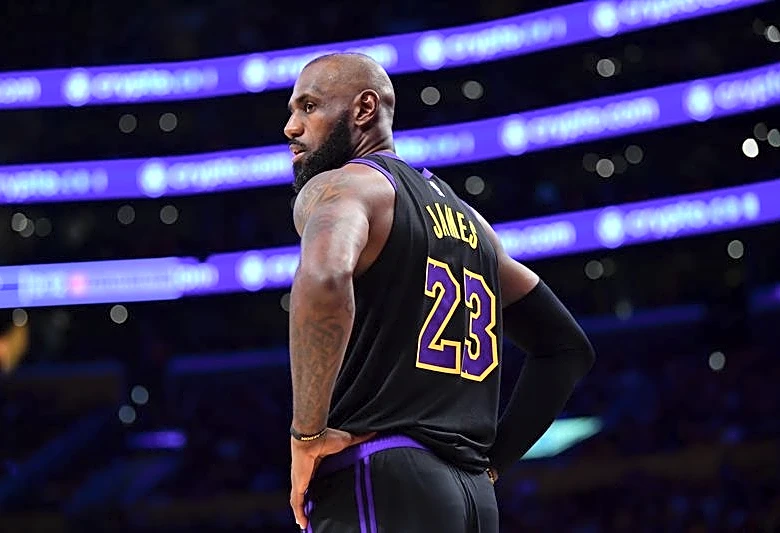
Let’s start with the hard truth: this is not the same LeBron James who dominated in Miami or Cleveland. The explosive, chase-down-blocking athletic marvel has given way to a more methodical, grounded player. He missed 22 games in the 2025-26 season, partly
due to a nagging sciatica issue that sidelined him at the start. Defensively, he can no longer be the primary stopper on the perimeter, and his effort on that end can wane during the grind of the regular season. His three-point shooting also took a dip last season, falling to just under 32%, which ranked among the bottom of qualified players. For critics, these are clear signs of regression. They argue that in a league filled with explosive two-way players in their prime, a player who is a defensive liability and has an inconsistent outside shot, regardless of his name, cannot be ranked in the top 20.
The Unyielding Statistical Reality
And yet, the numbers tell a different story. In his 60 games last season with the Lakers, James averaged 20.9 points, 6.1 rebounds, and 7.2 assists. That assist tally still placed him 7th in the entire league. These aren't empty stats on a bad team; he helped lead the Lakers to the Western Conference semifinals. To put that in perspective, a 41-year-old producing a 21/6/7 line is utterly unprecedented. He was also selected to his 22nd All-Star game. While advanced metrics might show a decline, his on-court production still rivals or surpasses many players universally considered to be in the top 25-30 range. The argument that he is statistically irrelevant is simply not based in fact. He remains a highly productive offensive force, even if the method has changed.
Redefining 'Value' in the Modern NBA
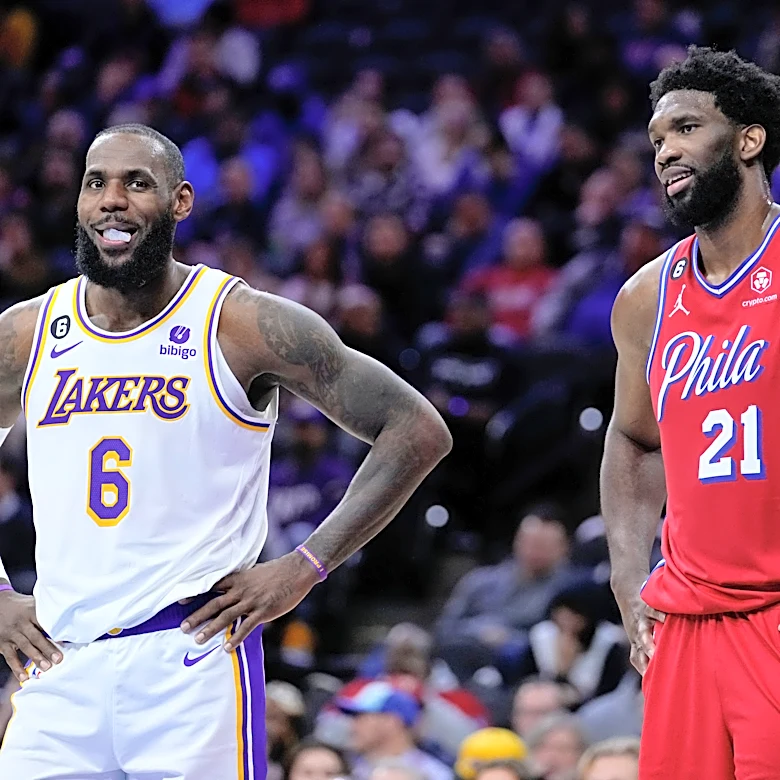
The core of the debate isn't about stats; it's about the definition of value. Is a top 20 player someone who can carry a team for 82 games? If so, LeBron no longer fits that bill. But if a top 20 player is someone whose basketball IQ, playmaking, and experience can elevate a good team to a championship level, then he is firmly in the conversation. His value is now situational. He is no longer the engine of a franchise but the ultimate turbocharger. As we just saw with his move to Philadelphia this summer, teams aren't signing him to be the man; they're signing him to be the difference-maker who can organize an offense in the biggest moments and provide championship DNA. That unique skill set—the court vision, the leadership, the still-unstoppable drive to the rim when needed—is a weapon few possess.
The Verdict: Where Does He Truly Rank?
So, is he a top 20 player? Yes. But it’s not the same kind of 'yes' as it was ten years ago. He is no longer in the conversation for the absolute best player in the world; names like Nikola Jokić and Victor Wembanyama now own that debate. But to fall out of the top 20, you would have to name 20 players who a general manager would rather have for a single playoff run. When you factor in James's unmatched experience, his still-elite playmaking, and his preternatural understanding of the game, it becomes difficult to assemble that list. Commentators in the lead-up to the 2025-26 season already pegged him as a borderline top-15 player. After another productive season and a strong playoff showing, his position is even more secure. He is a specialized instrument of basketball genius, and in a league where winning a title is the ultimate goal, his specific brand of genius remains one of the most valuable assets in the sport.