


The Monster on the Field
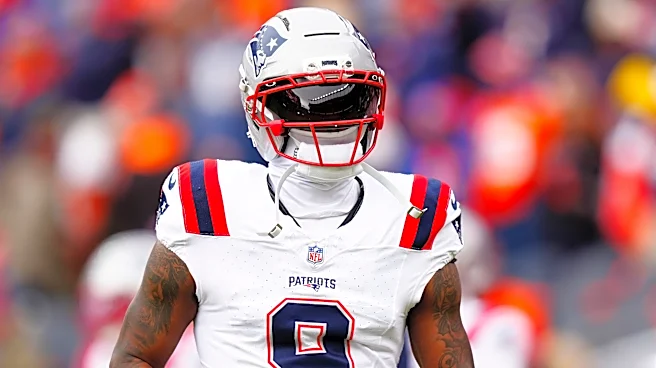
There is no debate about what A.J. Brown brings to an offense. He is, simply put, a physical force who changes the math for opposing defenses. At 29, Brown is a master of his craft, combining the brute strength to win contested catches with the speed
and agility to turn a simple slant route into a 60-yard touchdown. His impact was immediate upon joining the Philadelphia Eagles, where he posted multiple 1,000-yard seasons. His presence alone dictates coverage, often requiring double teams and opening up opportunities for everyone else on the field. He’s the kind of player who doesn’t just get open; he makes himself open. Former teammates have described him as a "monster on the field" and a leader who holds himself and others accountable. After months of speculation, the Patriots finally landed their man in a trade that sent future draft picks to Philadelphia, a clear signal that the front office believes they are in a window to win now.
Transforming the Patriots' Offense
For the Patriots, Brown represents the final, crucial piece of a multi-year offensive rebuild. The offense, which reached the Super Bowl last season before falling short, now has the elite perimeter weapon it was missing. Brown joins a receiving corps that includes solid veteran Romeo Doubs and the shifty DeMario Douglas, instantly creating a more dynamic and versatile passing attack. The logic is simple: Brown’s ability to command attention will create more favorable one-on-one matchups for players like Doubs and tight end Hunter Henry. It provides quarterback Drake Maye with something he didn't have during his MVP-runner-up campaign: a true alpha receiver who can be relied upon in critical moments. With Brown in the lineup, the offense, which already showed flashes of excellence, is now projected by some analysts to be among the league's top ten.
The Drake Maye Factor
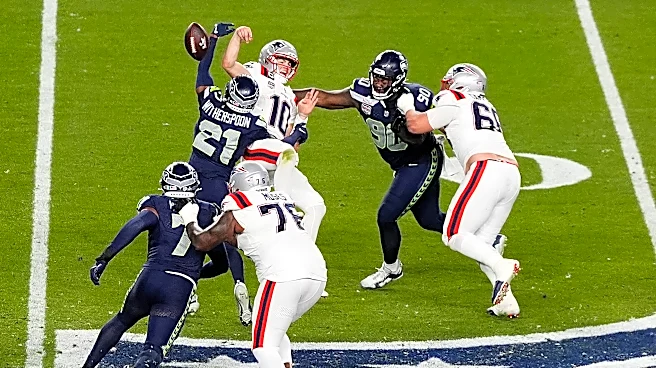
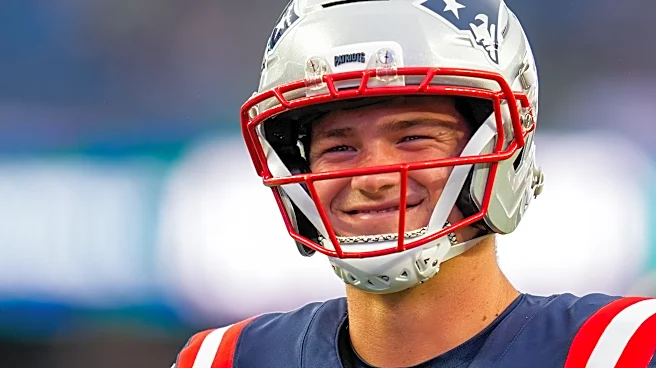
An elite receiver is only as good as the quarterback throwing him the ball. Fortunately for New England, Drake Maye has shown he is more than capable. After a solid rookie year, Maye took a massive leap in his second season, leading the Patriots on an improbable Super Bowl run and finishing as the runner-up for the league's MVP award. Entering his third year—and second in offensive coordinator Josh McDaniels' complex system—expectations are sky-high. However, Maye did show some vulnerabilities in the playoffs, where he struggled at times against complex defensive schemes, held onto the ball too long, and was prone to fumbles. The addition of Brown gives him a safety valve and a weapon who can win even when not perfectly open, potentially mitigating some of those issues. The chemistry between Maye and Brown will be the single most important factor in determining the offense's ceiling.
It Still Takes a Village
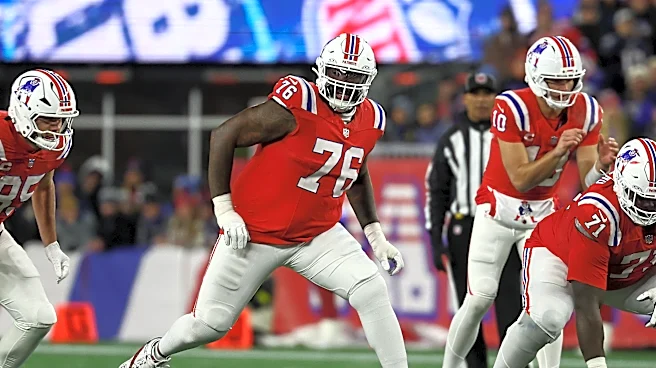
While the offense looks poised for an explosive season, the question of a Super Bowl run involves the entire roster. The American Football Conference remains a gauntlet, with perennial powerhouses like the Buffalo Bills, Baltimore Ravens, and Houston Texans all looking like contenders. New England’s success last season was built on a foundation of a strong running game and a stout defense. The offensive line, which struggled in the Super Bowl, has been revamped but remains a question mark. On the defensive side, there are concerns about depth at key positions like linebacker and defensive tackle, and the pass rush is relying on players to step up, especially with Harold Landry starting the season on the sideline. Last year's defense benefited from facing a string of backup quarterbacks, a stroke of luck that is unlikely to repeat with a much tougher schedule on the horizon. The Patriots' path to another Super Bowl will require the defense to maintain its elite level of play against much stiffer competition.