





The Case for Controlled Combat
In recent years, joint practices have become the preferred tool for preparing starters. The logic is simple: control. Unlike a preseason game, where coaches are at the mercy of the clock and random game flow, joint practices are a laboratory. Coaches
can script specific situations—third-and-long, red zone offense, two-minute drills—and run them repeatedly. Starters get to compete against another team's first-string unit, providing a higher quality of opposition than they would face after the first quarter of an exhibition game. This trend has accelerated since the preseason was cut from four games to three. Teams across the league, with few exceptions, now participate in these sessions, seeing them as a more efficient evaluation tool. The ability to work on new schemes against different players and systems, without showing your hand on game film, is an invaluable strategic advantage.
The Ultimate Safety Precaution
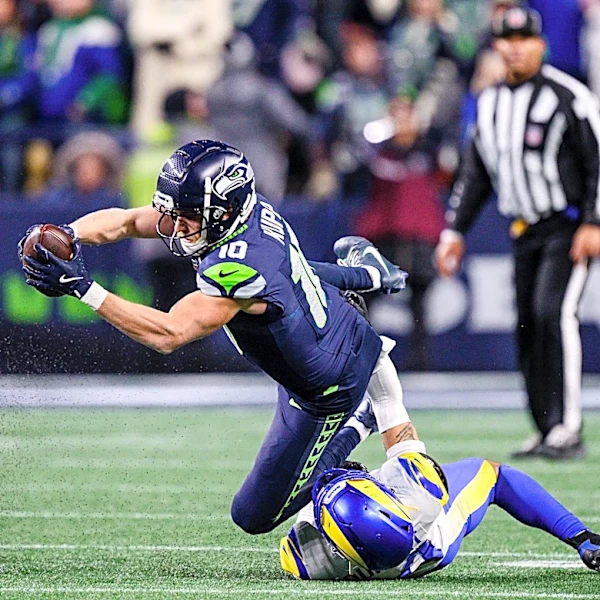
The number one reason coaches pull their stars from preseason games is the terrifying risk of injury. A season-ending ACL tear in a meaningless August game is a franchise's worst nightmare. Joint practices, while intense, offer a much safer environment. While fights can and do break out, coaches from both teams are on hand to manage contact levels. Players are typically not tackled to the ground, and quarterbacks are completely off-limits. For coaches like the Rams' Sean McVay, who pioneered the approach of resting starters, this method has proven successful, blending competitive intensity with crucial risk mitigation. The league itself has noted that giving players competitive reps in a more controlled setting can help them ramp up safely for the season, potentially reducing certain types of injuries.
Why Preseason Games Still Matter
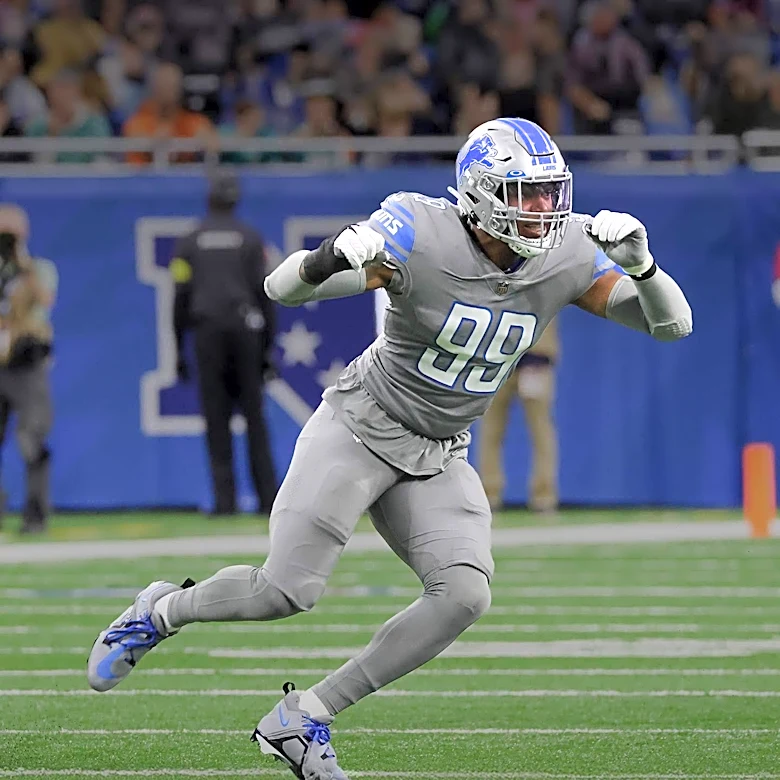
If joint practices are so great, why play preseason games at all? Because practice can never fully replicate the real thing. Preseason games are the only place to get true, full-speed special teams work, from kickoffs to punt returns. They are also the ultimate proving ground for players on the roster bubble. Coaches need to see how a rookie quarterback or a fringe linebacker reacts under the stadium lights, with live tackling and real consequences. It’s a chance for unknown players to make a name for themselves and for the entire organization—from the equipment staff to the broadcast crew—to go through a full game-day dress rehearsal. While starters might only play a series or two, if at all, those snaps provide a final tune-up for game speed and getting hit again after a long offseason.
A Tale of Two Rosters
The modern NFL has settled on a hybrid approach that reveals the true value of each format. The answer to which is "more valuable" depends on which players you're talking about. For veteran starters and franchise cornerstones, joint practices are unequivocally more valuable. They provide high-quality, controlled, and safer reps to prepare for Week 1. For rookies, undrafted free agents, and players fighting for the 53rd roster spot, the preseason game is everything. It's their primary audition, a chance to put their skills on tape against another team and prove they belong. Preseason games have effectively become showcases for the bottom half of the roster, while joint practices have become the real preseason for the top half.