


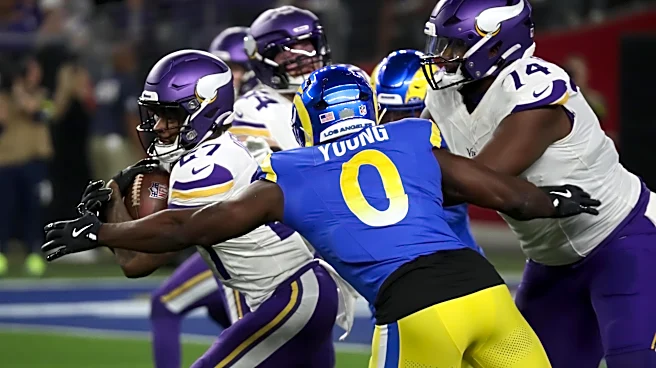
Blake Corum, Los Angeles Rams
It feels like we're cheating by calling Blake Corum a pure handcuff, but as long as Kyren Williams is healthy, Corum is technically the RB2. However, this is the most valuable kind of backup you can roster. The Rams gave Corum 145 carries in 2025, and some
analysts believe he could push for an even split in 2026. He has standalone value as a potential flex play even when Williams is active, thanks to his efficiency and role in a high-powered offense. If Williams were to miss time, Corum would immediately step into a workhorse role with top-five RB upside, making him a must-draft player in the middle rounds.
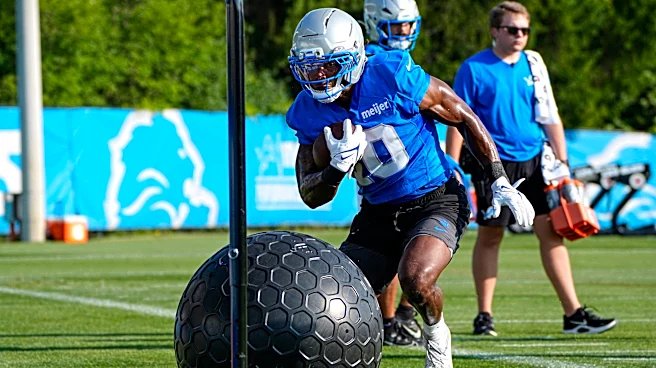
Isiah Pacheco, Detroit Lions
When a backup running back is tied to a top-tier offense and one of the best offensive lines in football, you pay attention. After moving on from David Montgomery, the Lions brought in Isiah Pacheco to spell Jahmyr Gibbs. While Gibbs is the unquestioned star and a likely top pick in drafts, Pacheco is the clear and immediate beneficiary if an injury occurs. He wouldn't just take over; he would inherit a role that could produce an RB1. Pacheco won't have much standalone value on a week-to-week basis, making him a pure handcuff, but his ceiling is as high as any backup in the league should he get the opportunity to start.
Jonathon Brooks, Carolina Panthers
This is a play for upside and a bet on talent. Brooks, a former second-round pick, has reportedly been impressive in training camp after working his way back from knee injuries. The Panthers' current starter, Chuba Hubbard, had a less-than-stellar 2025 season, leaving the door open for a more dynamic option. While Rico Dowdle saw success as the RB17 last year for Carolina, he is now with the Steelers. Brooks offers an explosive element the backfield currently lacks. He is the perfect late-round stash who could go from your bench to your starting lineup by mid-season, even without an injury to Hubbard.
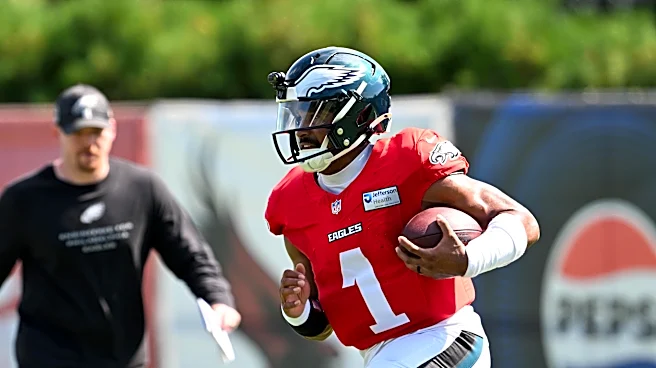
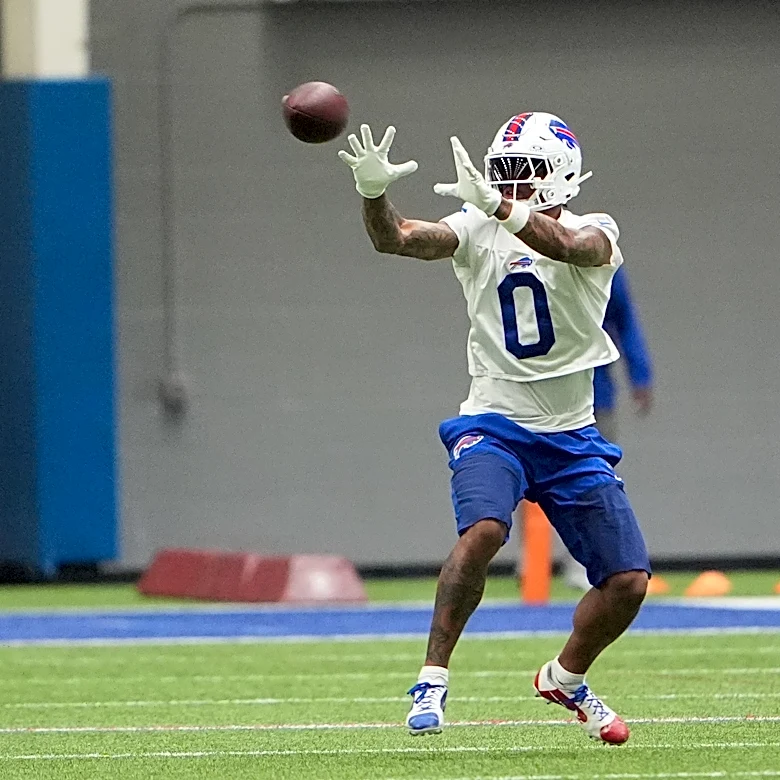
Tank Bigsby, Philadelphia Eagles
After being acquired via trade in 2025, Tank Bigsby established himself as the clear backup to Saquon Barkley. While he played minimally when Barkley was healthy, he showed flashes of efficiency, leading the team's running backs in yards per carry on limited attempts. This is a classic high-ceiling handcuff situation. Bigsby offers next to no value as long as Barkley is active, but if the often-used starter were to miss time, Bigsby would step into a massive workload on an offense that consistently produces fantasy-relevant runners. He's the ideal end-of-bench stash for any fantasy manager, especially those who draft Barkley.
Tyjae Spears, Tennessee Titans
Tony Pollard is entering his age-29 season having handled over 290 touches in each of the last three years. While he's been durable, that's a lot of tread on the tires. Enter Tyjae Spears, a talented back with a three-down skillset. Spears has been a solid pass-catcher throughout his career and has the versatility to handle a large role. With a new coaching staff in place, there's always the potential for a shift in backfield usage. Spears is more than just a typical handcuff; he's a player with the talent to command a larger share of the work and would become an immediate high-volume starter if Pollard were sidelined.
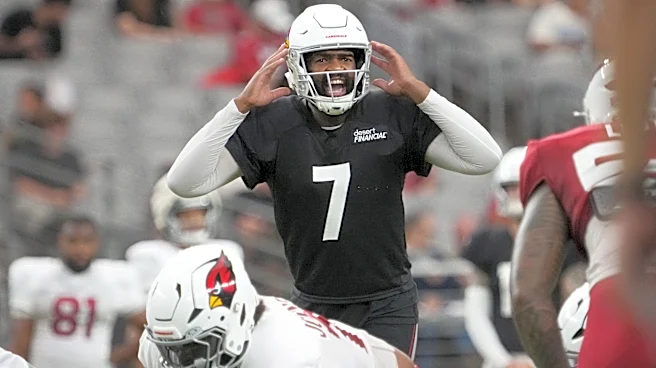
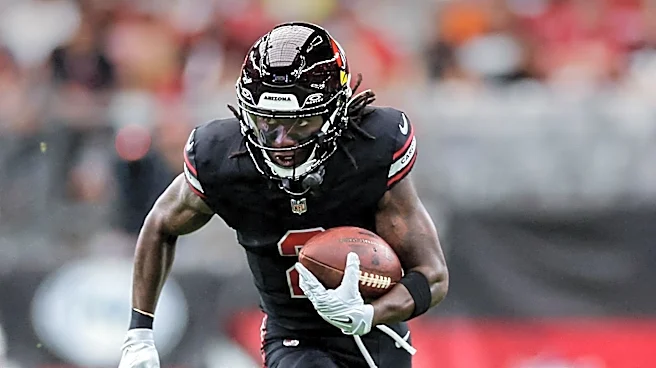
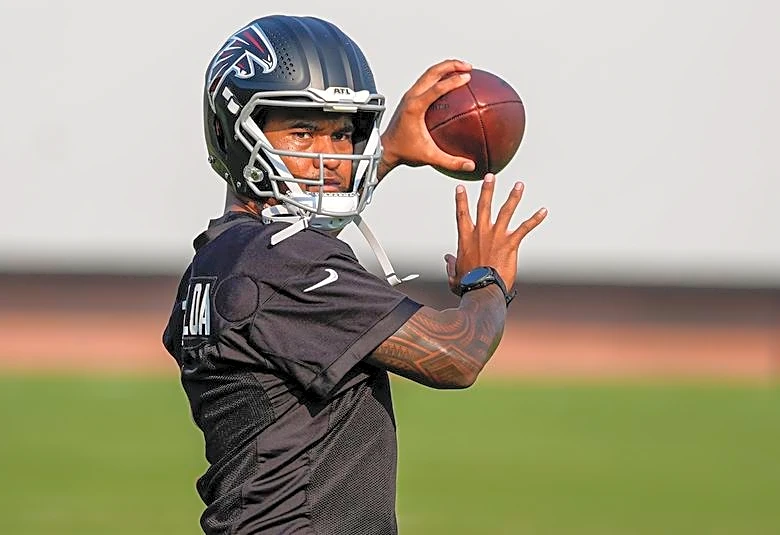
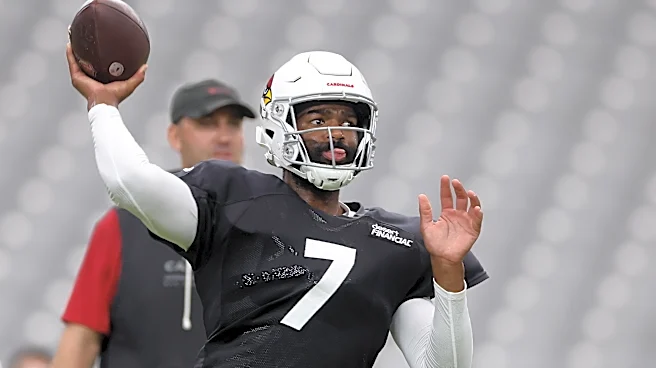
Tyler Allgeier, Arizona Cardinals
The Cardinals have invested heavily in Jeremiyah Love as their running back of the future, but don't forget about Tyler Allgeier. Having previously been stuck behind Bijan Robinson in Atlanta, Allgeier now finds himself in a clear backup role in Arizona. While the team has emphasized Love will carry the load, Allgeier is positioned as the primary handcuff, ahead of veteran James Conner on the depth chart. Should the rookie starter go down, Allgeier has proven he can handle a significant workload and would immediately become the team's RB1, making him a valuable and under-the-radar insurance policy.