

An Ancient and Necessary Force
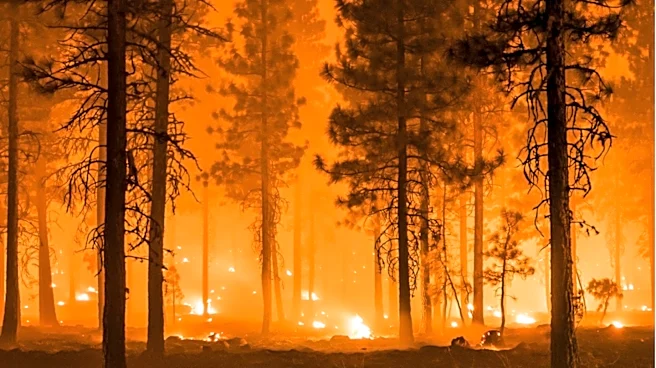
The short answer is no, fire is not new to Europe. For millennia, fire has been a fundamental ecological force, especially in Mediterranean ecosystems. Natural cycles of fire, often sparked by lightning, cleared out dead undergrowth, released nutrients
into the soil, and helped certain plant species regenerate. Many landscapes, from the pine forests of Spain to the scrublands of Greece, are not just adapted to periodic fires—they depend on them to maintain their health and biodiversity. Historically, fire created mosaic landscapes of varying ages and vegetation, which in turn supported a wide array of wildlife. It was a natural, albeit destructive, part of life.
How Humans Changed the Equation
For much of the 20th century, the relationship with fire changed dramatically. A mass migration from rural areas to cities meant that traditional land management practices, like grazing livestock that kept underbrush in check, declined sharply. As farms were abandoned, large areas that were once open became overgrown with dense shrubs and young trees. Simultaneously, official policy across Europe pivoted to aggressive fire suppression. The goal was to extinguish every fire as quickly as possible. This combination of rural depopulation and fire suppression created a tinderbox effect. Decades of fuel—dead leaves, dry grass, and dense vegetation—accumulated on forest floors, waiting for a spark.
The Climate Change 'Fire Weather' Multiplier
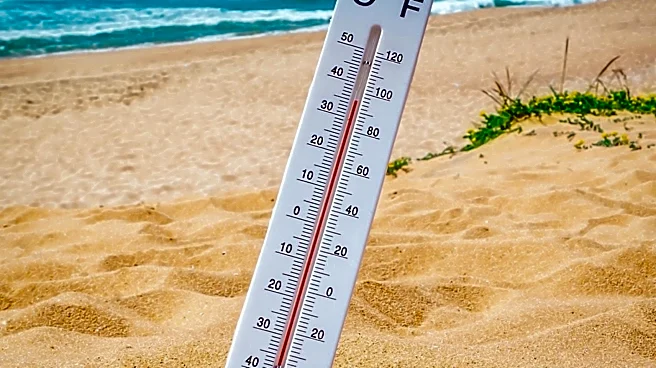
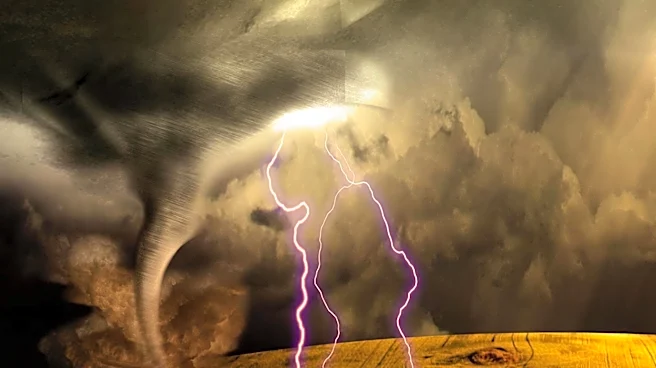
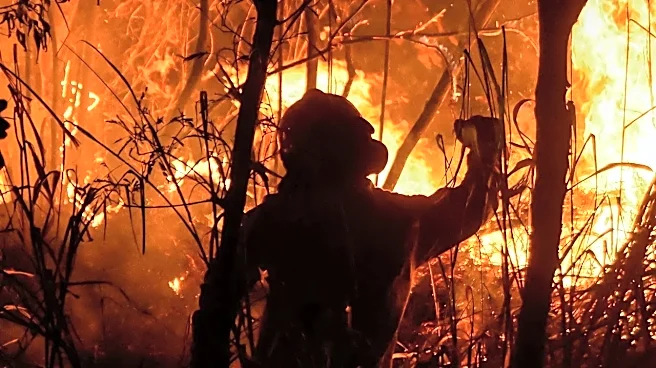
This brings us to today's crisis. The fuel buildup was the first critical ingredient; man-made climate change is the second. Global warming is creating more frequent and intense periods of what scientists call "fire weather": extreme heat, prolonged drought, and high winds. These conditions turn a manageable fire into an uncontrollable megafire. Recent attribution studies have shown that climate change made the extreme fire weather that fueled recent blazes in Spain and France significantly more likely. The fires aren't just more frequent; they are hotter, faster, and more erratic than ever before, sometimes creating their own weather systems, including terrifying "fire clouds" that can generate lightning and spread the blaze even further.
The 'New' Reality Is an Era of Megafires
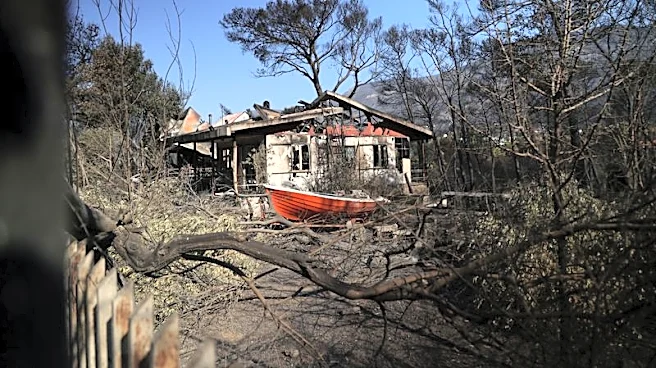
So, while fire itself is an ancient phenomenon, the scale and intensity of the wildfires raging across Europe are unprecedented in modern history. The amount of land burned in some recent seasons has dwarfed historical averages. This isn't just a continuation of the past. It is a new and dangerous era defined by a toxic combination of historical land-use changes and a rapidly warming climate. Experts now warn that Europe has entered an age of megafires, where blazes are so intense they can overwhelm traditional firefighting methods. The problem is no longer just preventing fires from starting—over 95% of which are caused by human activity—but managing landscapes to be more resilient to the inevitable.