





The Double Threat: Warmth and Pollution
The loss of oxygen in lakes, a process known as deoxygenation or hypoxia, is primarily driven by two interconnected factors: climate change and nutrient pollution. First, as global temperatures rise, lake surfaces get warmer. Basic physics dictates that
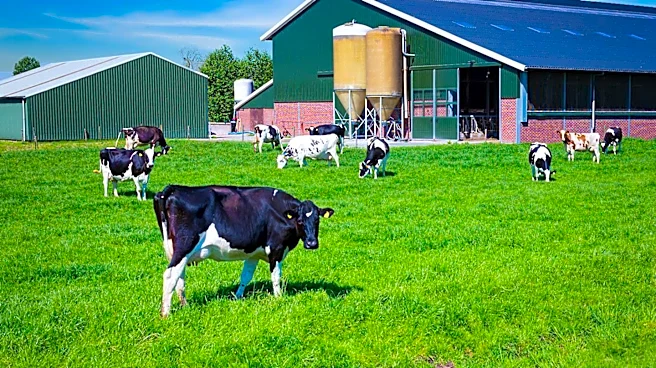
warmer water simply can't hold as much dissolved oxygen. One comprehensive study found that this decreased solubility from warming is responsible for about 55% of the oxygen decline in the surface waters of lakes globally. Second, runoff from farms, cities, and wastewater treatment facilities pours nutrients like nitrogen and phosphorus into the water. This pollution, called eutrophication, acts like a super-fertilizer for algae, causing massive blooms. When these short-lived algae die and sink, bacteria decompose them, consuming vast amounts of oxygen in the process and starving the water of this life-giving gas.
A Lake Divided Cannot Breathe
Climate change intensifies the problem through a process called thermal stratification. As the surface water heats up, it becomes much less dense than the colder, deeper water below. This creates distinct layers that resist mixing. The deep water becomes sealed off from the atmosphere, which is the primary source of oxygen replenishment. While decomposition continues to consume oxygen in the depths, there's no way for it to be replaced, leading to severe oxygen depletion or even 'anoxia'—the complete absence of oxygen. Since 1980, studies have shown that while surface waters have lost about 5.5% of their oxygen, deep waters have lost a staggering 18.6%, a rate far exceeding that of the oceans.
From Fish Kills to 'Dead Zones'
The consequences for aquatic life are devastating. All complex life, from fish to insects, depends on oxygen to survive. As oxygen levels fall, fish like trout and salmon that thrive in cold, oxygen-rich water are among the first to suffer, experiencing stress, impaired growth, and reduced reproduction. If conditions worsen, it can lead to massive fish kills and the collapse of entire food webs. These low-oxygen areas are often called 'dead zones' because so few organisms can survive in them. This not only decimates biodiversity but also threatens the fishing and recreation industries that depend on healthy lakes.
A Problem That Reaches Our Taps
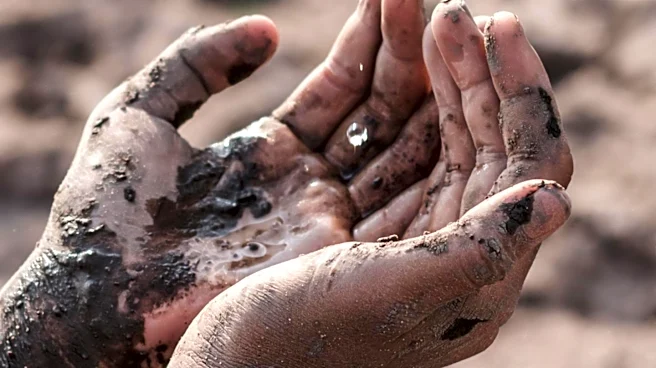
The crisis isn't confined to the lakes themselves; it directly affects human health and safety. Many communities rely on lakes for drinking water, and deoxygenation makes water treatment more difficult and costly. In low-oxygen conditions, chemical reactions in lakebed sediments can release harmful substances like manganese and hydrogen sulfide into the water, affecting its taste, odor, and safety. Furthermore, these conditions favor microbes that produce methane, a potent greenhouse gas, creating a feedback loop that can accelerate climate change. The proliferation of certain bacteria in these environments can also produce toxins that are dangerous to both humans and wildlife.