

The Deception of the Quick Release
The most common myth about great scorers is that they possess the hardest shot. While power doesn't hurt, the single most important factor is the speed of their release. Elite players like Auston Matthews have mastered the art of getting the puck off
their stick blade in a fraction of a second, often without a big, telegraphed wind-up. This 'quick release' gives goaltenders, who need about 0.4 to 0.5 seconds to react to a shot, almost no time to get set. A 70 mph shot released in 0.3 seconds is far more effective than a 90 mph slapshot that takes nearly a second to launch. The other half of this equation is deception. Top scorers change the angle of their shot at the last moment by pulling the puck closer to their body just before shooting. This subtle shift, sometimes only a few inches, forces the goalie to constantly readjust, creating openings that otherwise wouldn't exist.
Hockey IQ: The Art of Finding Open Ice
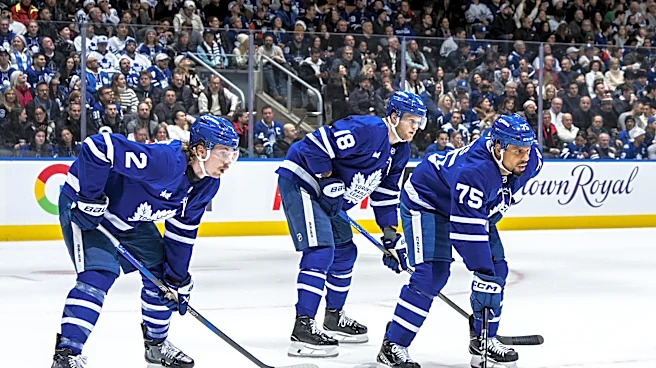
The best goal scorers seem to have a magnetic attraction to the puck in prime scoring areas. This isn't luck; it's elite hockey IQ. They possess an innate ability to read the play, anticipate where the puck is going to be, and find 'soft spots' on the ice away from defensive coverage. This means constantly scanning the ice, even before they receive a pass, to build a mental map of where defenders are and where space will open up. Analysis of players like Auston Matthews reveals a pattern of 'relentless repositioning'. He doesn't just go to the net and stay there; he attacks the net, moves back out to find a new lane, and then re-attacks, often staying within the high-danger area between the faceoff dots. This constant movement without the puck is what creates the time and space needed for their quick-release shots to be effective.
A Deep Toolbox of Shots
While Alex Ovechkin built a Hall of Fame career largely on a singular, unstoppable weapon—the one-timer from his 'office' on the power play—most modern elite scorers rely on a diverse arsenal of shots. The four primary shots are the wrist shot, snapshot, slapshot, and backhand. A great scorer knows instinctively which one to use in any given situation. The wrist shot offers accuracy, the slapshot provides power from a distance, and the backhand is notoriously difficult for goalies to read. However, the snapshot, which combines power and a quick release, is often the go-to for players in tight spaces. Players like Leon Draisaitl, who consistently ranks among the league's top scorers, are dangerous from everywhere precisely because they can beat a goalie in multiple ways. They can score on a powerful one-timer, a deceptive wrist shot off the rush, or by tipping in a puck in front of the net.
The Unseen Work Around the Net
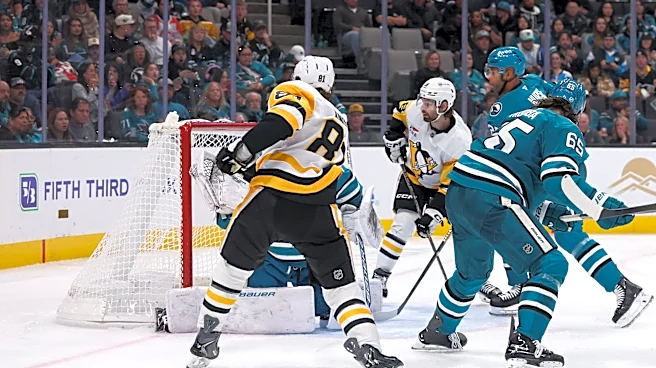
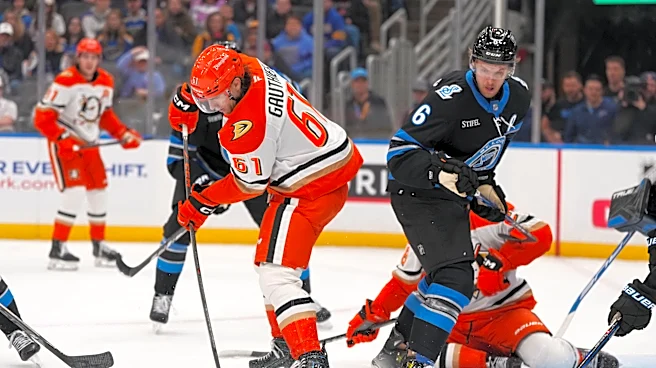
Many of the most important goals aren't highlight-reel snipes. They are gritty, hard-won battles in the most chaotic area of the ice: the front of the net. The willingness to drive to the crease, absorb punishment from defenders, and fight for rebounds separates the elite from the merely good. These 'greasy' goals come from tips, deflections, and pouncing on loose pucks before anyone else can react. It requires not just physical toughness but also elite hand-eye coordination and spatial awareness. Players who score a lot of goals in this fashion often have a high 'motor' and an instinct for where the puck will land after a save. They understand that the first shot is often just the beginning of the play, and by staying engaged, they create second and third opportunities that often end up in the back of the net.