







The Sweet Ascent
Frozen yogurt first appeared in the 1970s and had a moment in the 80s, but the craze that cemented it in our cultural memory kicked off in the mid-2000s. Chains like Pinkberry, which launched in 2005, and Yogurtland pioneered a new model. It was part
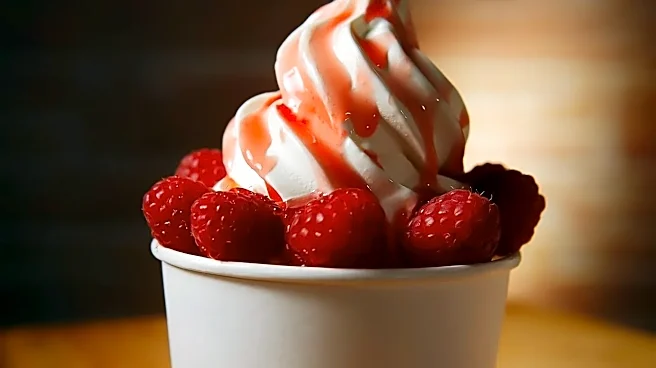
dessert, part experience. The self-serve, pay-by-weight format gave customers a sense of control and endless possibilities. You could mix cake batter with cookies and cream, or stick to a simple, tart original. Then came the toppings bar: a candy-colored buffet of fruits, nuts, cereals, and syrups. Froyo was marketed as a healthier alternative to ice cream, capitalizing on the low-fat diet trends of the era. With celebrity sightings and appearances in popular culture, froyo became the go-to social treat.
Too Much of a Good Thing
The success of early chains led to a massive, unsustainable boom. The number of froyo shops in the U.S. doubled between 2009 and 2015. The low barrier to entry for opening a franchise meant that neighborhoods and strip malls quickly became oversaturated. Soon, dozens of brands like Menchie's, Orange Leaf, and sweetFrog were all competing for the same customers with a nearly identical product. This intense competition, often called cannibalization, spread foot traffic too thin. When every block has a froyo shop, it's hard for any single one to thrive. By the mid-2010s, the novelty had worn off, and the market began to correct itself as chains started closing hundreds of locations.
The Health Halo Fades
A key part of froyo's appeal was its perception as a guilt-free indulgence. It was typically lower in fat and calories than traditional ice cream. However, consumers grew wiser. They realized that while the base yogurt might be 'healthier,' that benefit was often negated by high sugar content and a mountain of sugary toppings like gummy worms and brownie bites. As wellness trends shifted from simply 'low-fat' to a more holistic view of health that included concerns about sugar and processed ingredients, froyo's health halo began to dim. The rise of dairy-free, vegan, and genuinely low-calorie ice cream alternatives also provided stiff competition for health-conscious consumers.
The Rise of New Dessert Stars
While the froyo market was contracting, a new generation of desserts was capturing America's sweet tooth—and its Instagram feeds. Rolled ice cream, gourmet and specialty donuts, bubble tea, and mochi all offered new flavors, textures, and visual appeal. These new treats felt fresh and exciting, while many froyo shops were seen as offering the same predictable flavors. The business model of many froyo shops was also a weakness; the self-serve, in-store experience was hit hard by the pandemic and a general shift toward delivery and drive-thru convenience, which don't work as well for a build-your-own dessert.