


The Rules of Engagement
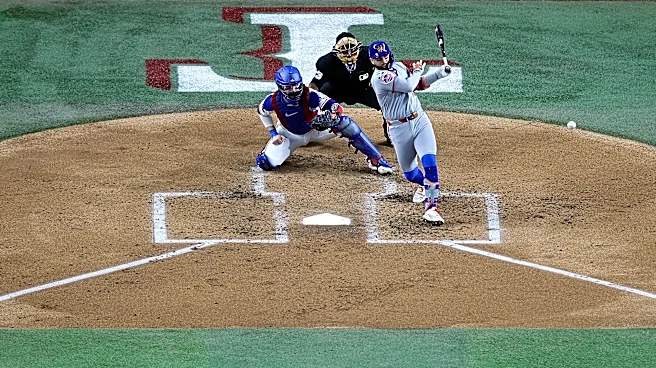
First, a quick rundown of how it works. Since the start of the 2026 season, every MLB park has been equipped with Hawk-Eye cameras that track each pitch. Home plate umpires still make the calls, but the batter, catcher, or pitcher can challenge a ball
or strike by immediately tapping their cap or helmet. Each team gets two challenges per game; they keep a challenge if they're right but lose one if they're wrong. If a team is out of challenges in extra innings, they get one back at the start of each new inning. The decision to challenge must come from the player alone, with no help from the dugout. A graphic on the video board then shows where the pitch crossed the plate relative to a two-dimensional strike zone, with a final ruling taking only about 15 seconds.
A New, Tighter Strike Zone
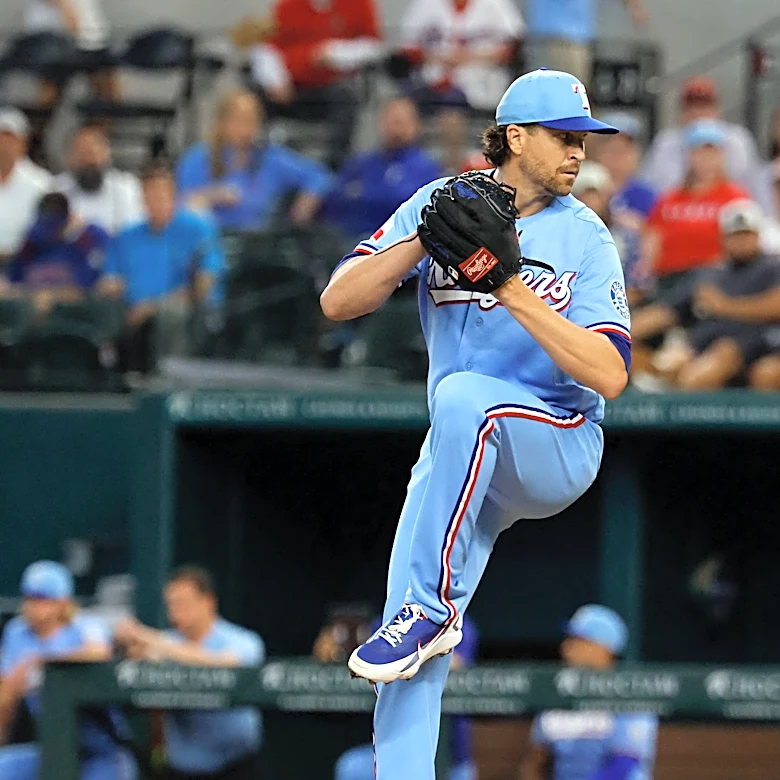
The biggest change isn't just the ability to challenge, but the definition of the zone itself. The ABS system uses a standardized, two-dimensional box measured at the midpoint of home plate. Its size is determined by a player's pre-measured height—the top is 53.5% of their height, the bottom is 27%. This has effectively replaced the old, more subjective zone that could change based on a batter's stance. The result, according to one analysis from September 2026, is a strike zone that is nearly 10% smaller than it was in 2025 and almost 17% smaller than in 2015. The zone has particularly shrunk at the bottom and on the outside and inside edges, making life much harder for pitchers who, like Hall of Famer Tom Glavine, built careers on getting calls just off the plate.
The Death of the 'Framed' Pitch
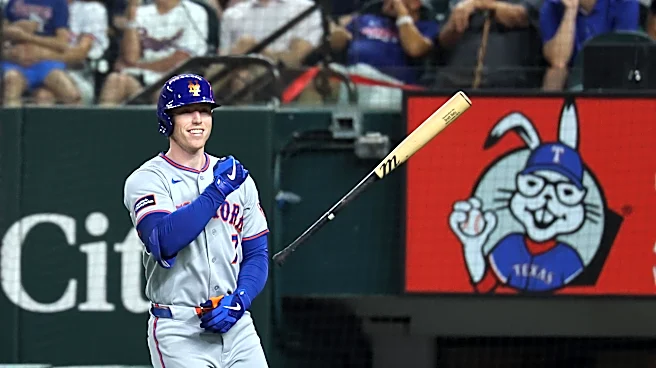
For decades, catchers have honed the subtle art of "framing"—making a pitch outside the zone look like a strike by skillfully positioning their glove. The ABS challenge system has rendered that skill nearly obsolete. A hitter who knows a pitch was low, regardless of how beautifully the catcher received it, now has recourse. This alters the entire dynamic of an at-bat. Hitters can stand in with more confidence, knowing that the most egregious stolen strikes can be overturned. It forces a new kind of discipline; instead of swinging to protect the borderline pitch, they can trust their eyes and the technology. Players who have a great eye for the strike zone, like Juan Soto, were predicted to excel with this new tool.
The Two-Strike Approach Reimagined
Perhaps the most profound strategic shift is happening in two-strike counts. Before 2026, the conventional wisdom was to expand your zone and swing at anything close to avoid a called third strike. Now, hitters are showing more willingness to take a close pitch, betting that if the umpire rings them up, the challenge system will vindicate them. Research from earlier in the season showed that the old tendency for umpires to call a tighter zone in two-strike counts is vanishing under the ABS system. This new confidence changes a hitter's calculus. They no longer have to offer at a pitcher's borderline pitch down and away. This can lead to more walks, but it also puts the onus on the hitter to be correct; a failed challenge on strike three is a long, lonely walk back to the dugout.
An Unexpected Bonus: Confidence and Pace
While some feared the challenges would slow the game down, the system has been praised for its efficiency and for how it has cleaned up interactions. The near-instantaneous review process adds minimal time to games. More importantly, it has removed much of the argument from the sport. A player can no longer complain about a bad call when they had the power to overturn it and chose not to. This puts the accountability squarely on the players for when to use their limited challenges, adding a layer of high-stakes strategy to high-leverage moments. It keeps the human element of umpiring intact while providing a technological backstop for the calls that matter most, a compromise that players and the league favored over fully automated "robot umps."