



From Downtown to the Logo
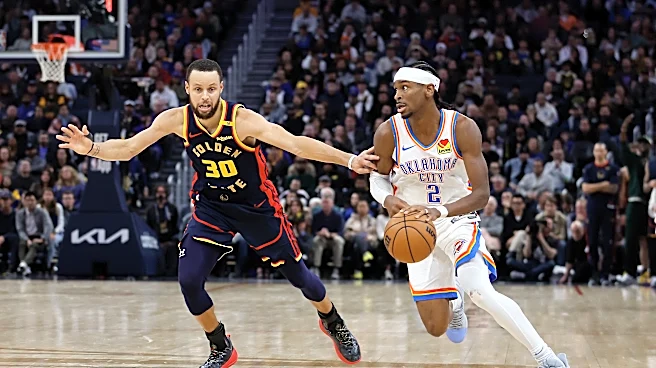
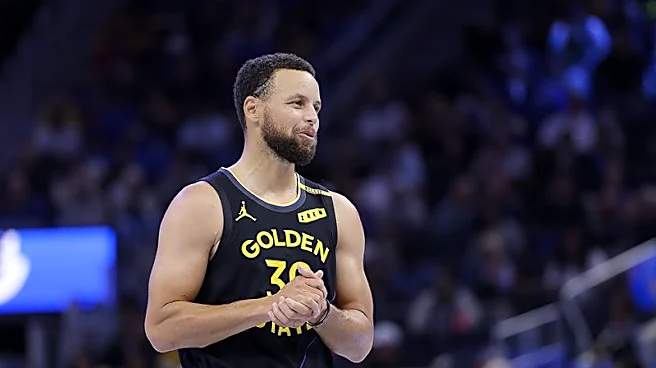
The first wave of the three-point revolution was about math: three points are worth more than two. The new evolution is about geography. Superstars like Stephen Curry and Damian Lillard have stretched the court to its breaking point, making shots from
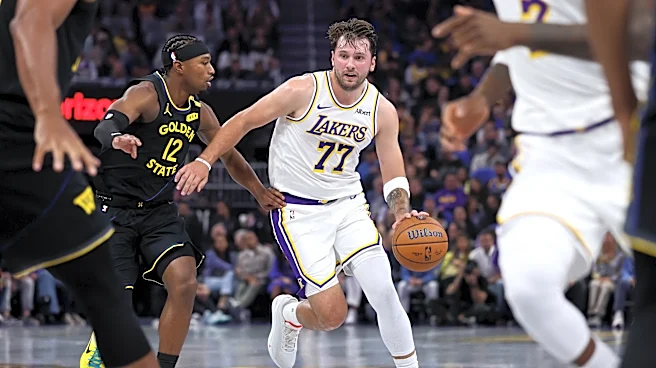
30 feet or more look routine. This isn't just for show; it's a strategic weapon. When a player can reliably score from near the half-court logo, it forces defenders to guard them farther away from the basket than ever before. This subtle shift creates massive, previously unavailable driving lanes for teammates and completely disrupts defensive schemes that were designed to protect the rim. The 'logo shot' has transitioned from a desperate heave to a calculated part of modern offense.
The 'Gravity' Game
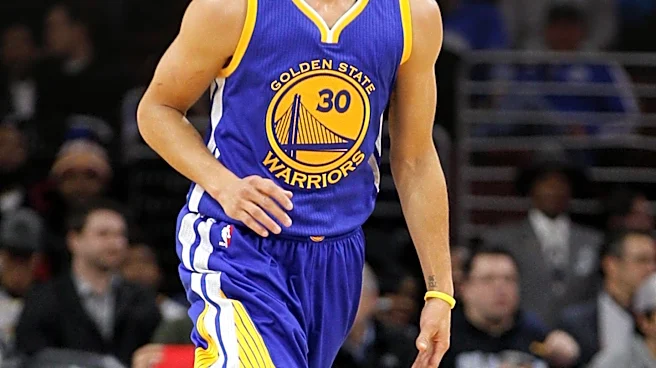
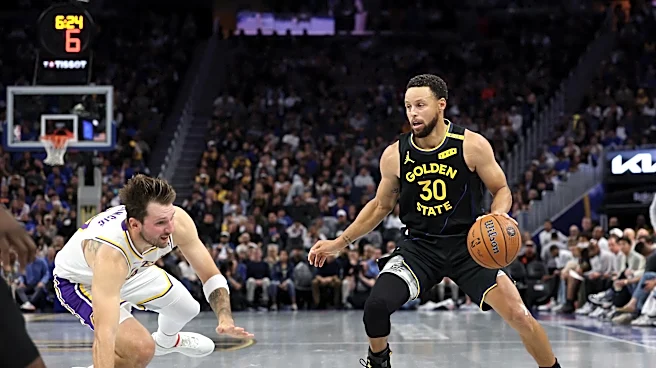
The single most important concept in today's evolving offense is 'gravity'. It's the term used to describe how much attention an elite shooter commands even when they don't have the ball. Players like Curry are so dangerous that defenders are terrified to leave them for even a second. This pulling power, or gravity, bends the entire defense towards them, creating a 4-on-3 advantage for their teammates elsewhere on the floor. The evolution here is that front offices and coaches now build entire rosters around this principle. It’s not just about having one great shooter, but about surrounding a high-gravity player with slashers and cutters who can exploit the space that gravity creates. This off-ball impact is now a measurable and highly valued skill.
Every Position a Threat
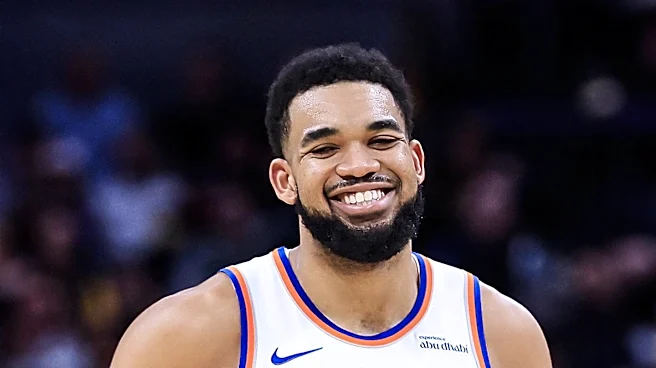
Not long ago, the idea of a 7-foot center launching three-pointers was a novelty. Now, it’s practically a job requirement. The revolution’s latest phase has erased traditional positions. Big men who once lived exclusively in the paint are now expected to be credible threats from the perimeter. Players like Karl-Anthony Towns, who holds the record for the most career threes by a center, exemplify this trend. This evolution forces opposing bigs to leave the comfort of the paint to defend the three-point line, which in turn clears the area under the basket for drives and dunks. Early 2026-27 season trends show this continuing, with more centers working to add the three-pointer to their arsenal. The result is a more fluid, 'positionless' game where all five players on the court are potential shooters.
Defenses in Desperation Mode
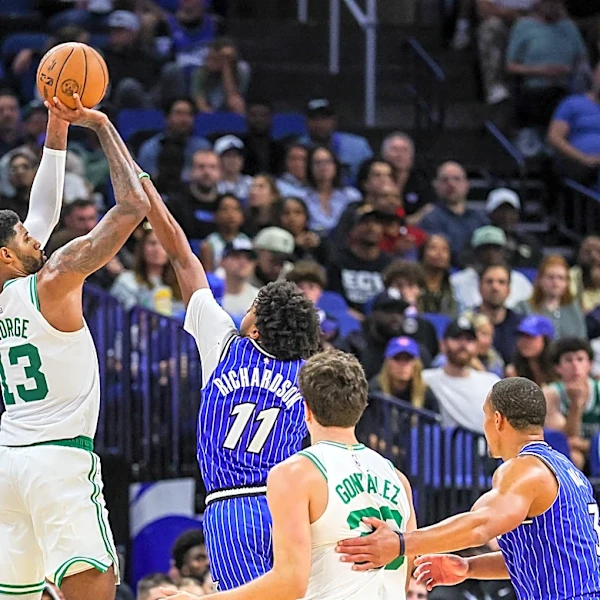
For every offensive evolution, there is a desperate defensive reaction. Teams are now forced to make impossible choices. Do you aggressively 'close out' on a shooter 30 feet from the hoop, risking a foul or an easy blow_by for a layup? Or do you sag off and concede a potentially high_percentage look from deep? Defenses have developed complex switching schemes, where players trade assignments on the fly to avoid leaving a shooter open. Yet, these schemes require incredible communication and athleticism, and a single mistake can lead to a wide_open three. The strategic dilemma has become the central chess match of the modern NBA: offenses are designed to create these defensive breakdowns, and defenses are constantly scrambling to find a way to be in two places at once.