




Identify the All-In Buyers
These are the teams with championship aspirations, pushing their chips to the middle of the table. They trade future talent (prospects) for immediate help. This year's prime example is the Los Angeles Dodgers, who are chasing a third straight World Series
title. Already baseball's best team, they went out and acquired the top pitcher on the market, Tarik Skubal from the Detroit Tigers, without giving up any current MLB talent. Similarly, the surging Boston Red Sox saw their shot and made a stunning move for superstar catcher Adley Rutschman, sending a huge package of prospects to the Baltimore Orioles. When you see a first-place team trade for a big name, you're looking at a buyer trying to close the deal and win a ring right now.
Understand the Strategic Sellers
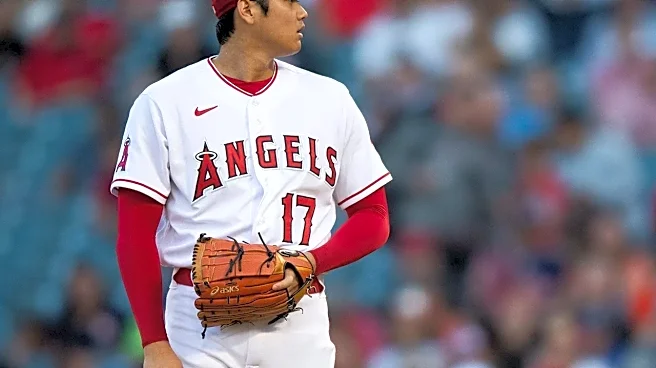
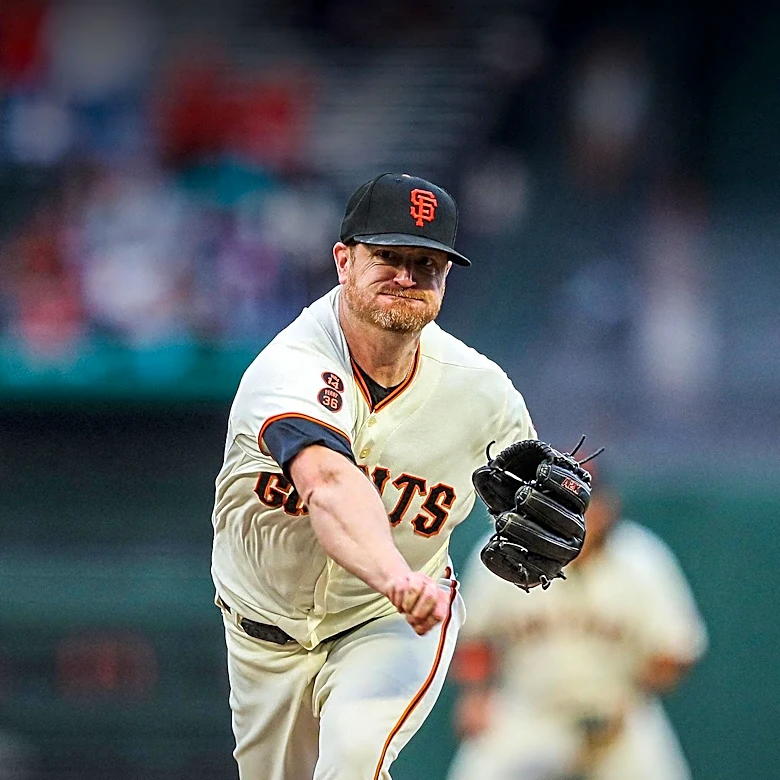
These teams are on the other side of the coin. They know a championship isn't in the cards this year, so they trade their valuable veteran players to contenders in exchange for young prospects who could become stars in the future. The New York Mets and San Francisco Giants were big sellers this year, trading away multiple bullpen arms and veterans like Clay Holmes and Luis Arraez for packages of young talent. The Los Angeles Angels also finally committed to a sell-off, trading seven players to restock a barren farm system. The most shocking seller was the Baltimore Orioles. Just two seasons removed from a 101-win season, they traded away star catcher Adley Rutschman, signaling a major pivot and the end of a competitive window. It's a painful move for fans, but the goal is to build the foundation for the next contender.
Spot the Savvy Middle Ground
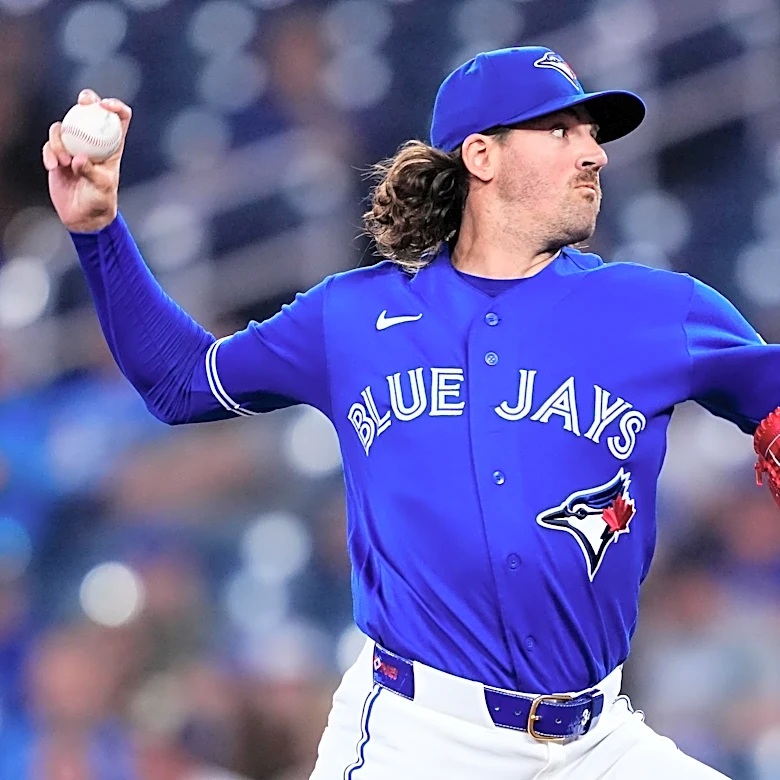
Not every team is a clear buyer or seller. Some clubs operate in the middle, making moves to improve for this year without mortgaging the future. The Chicago Cubs are a perfect case study. They needed a ton of pitching and aggressively addressed it by trading for starters Kevin Gausman and Clay Holmes, among others. They gave up some good prospects but focused on acquiring players who will be under team control for several years, providing help both now and later. These teams are trying to thread a difficult needle: stay competitive while also building for tomorrow. It's a high-wire act that can pay huge dividends if done correctly.
Look Past the Blockbuster Names
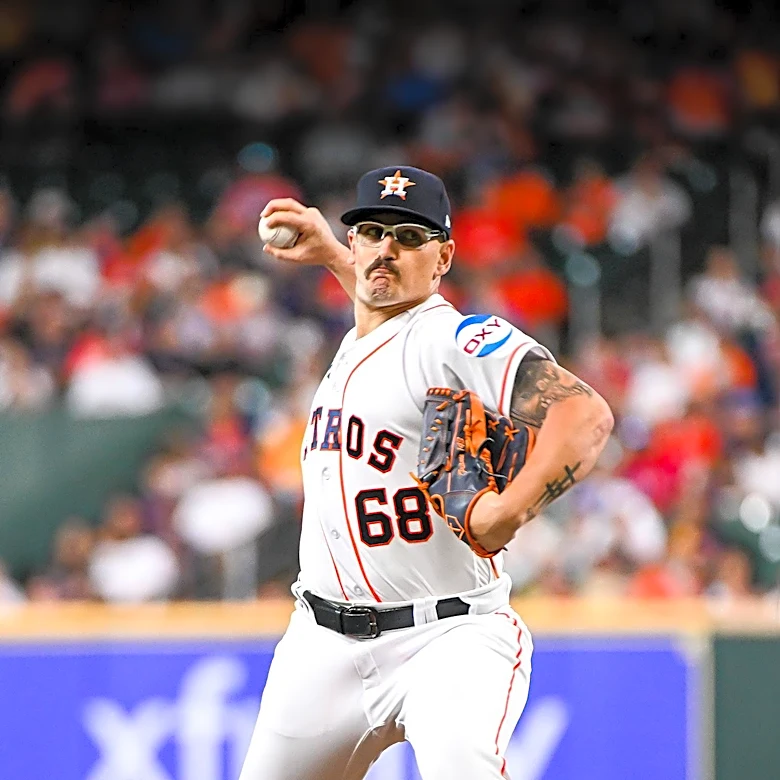
Headlines are dominated by the big stars, but championship rosters are often built on the margins. Sometimes the most impactful trade isn't for a superstar, but for a specific role player that fills a crucial need—a lockdown reliever for the bullpen, a defensive specialist, or a platoon bat. For example, the Tampa Bay Rays, always looking for value, acquired starter Freddy Peralta and reliever Tyler Wells to bolster their pitching staff for the stretch run. The Milwaukee Brewers added several arms, including Dustin May and JoJo Romero, to add depth to their staff. These aren't the moves that grab the front page, but they can be the difference between an early playoff exit and a deep October run.
Remember the Real Winner Is Time
It’s tempting to declare “winners” and “losers” the moment a trade is announced, but the truth is, we often don't know the real outcome for years. The success of a trade hinges on the future performance of prospects. Just look at the 2022 Juan Soto trade. The Washington Nationals received a package of prospects from the San Diego Padres that included C.J. Abrams and James Wood. Four years later, Abrams and Wood are All-Stars and two of the best hitters in the National League, a painful reminder for Padres fans of the cost of their all-in push. The players traded this week might be superstars in 2030, or they could be out of the league. That's the ultimate gamble and what makes the trade deadline so fascinating.