



The Marathon Becomes a Sprint
A 162-game regular season is a war of attrition. It rewards depth, consistency, and the ability to grind out wins over six long months. The best teams prove their quality by weathering slumps and injuries. The playoffs, however, are a completely different
animal. The skills that make a team dominant over a long season are less important in a short, high-stakes series. A best-of-five or best-of-seven format isn't a test of endurance; it's a test of who can get hot at the right moment. The margins between playoff-caliber teams are often narrow to begin with, and a handful of games isn't enough to reliably separate them.
The Tyranny of Small Sample Sizes
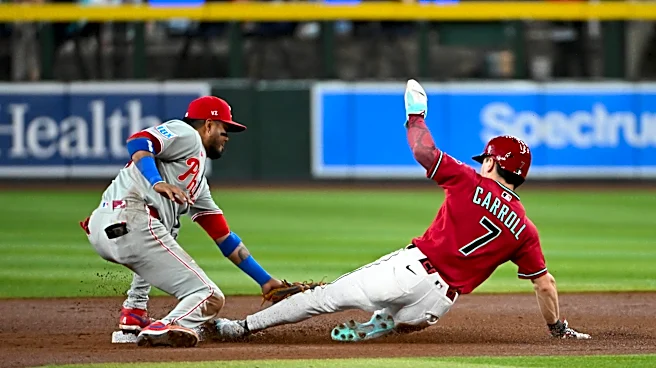
Statistically speaking, baseball is a game of averages that normalize over time. A star hitter might get a bloop single, and a lesser player might hit a line drive right at a fielder. Over 162 games, luck tends to even out. But in a five-game series, there's no time for things to revert to the mean. One broken-bat single, a bad bounce, or a questionable umpire call can swing an entire game, and one game can swing an entire series. Research has shown that a team with a 60% chance of winning any given game still has a 32% chance of losing a best-of-five series—far from a lock. This inherent randomness is magnified in October, turning statistical probability into a supporting actor rather than the star of the show.
Elite Pitching Can Hijack a Series
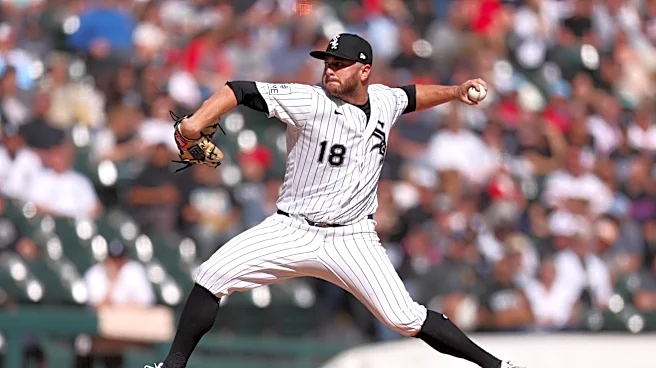
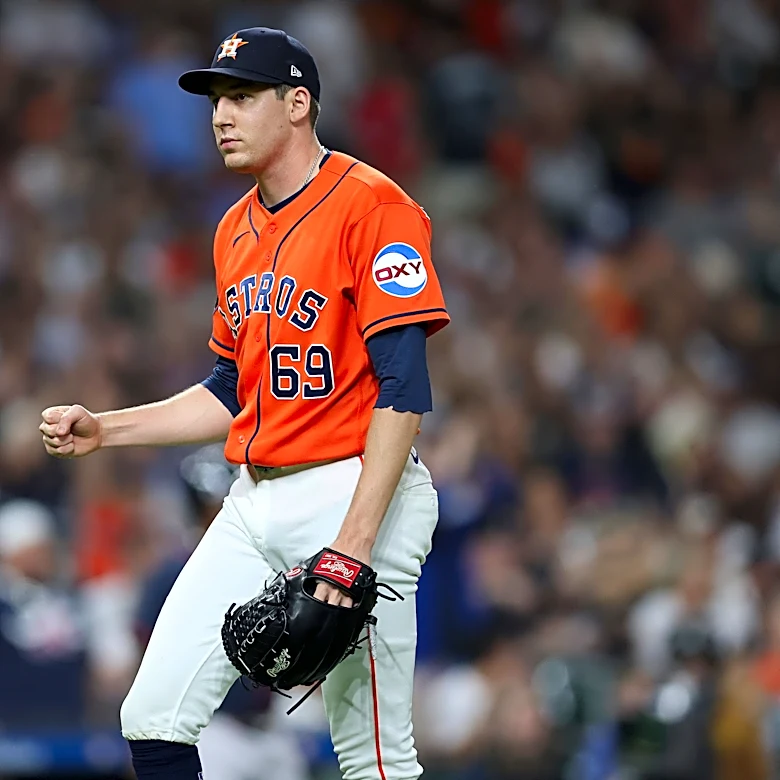
In the regular season, a team needs five solid starting pitchers to get through the grind. In the postseason, a team with just two dominant aces can take over. With more off days built into the playoff schedule, managers can rely heavily on their top arms, sometimes bringing them back on short rest. A team that was mediocre overall might have two pitchers who are nearly unhittable. If those two aces start and win Games 1 and 2 of a five-game series, the pressure on the heavily favored opponent becomes immense. The 2023 playoffs, for example, saw teams with 90 or fewer wins thrive, partly because dominant pitching performances can neutralize a superior lineup over a short stretch.
The Expanded Playoff Gauntlet
Since 2022, Major League Baseball has used a 12-team playoff format, adding more teams and another layer of unpredictability. More teams mean more potential for upsets. The top two division winners in each league get a bye, but this has led to debates about whether the extended rest creates rust. Meanwhile, Wild Card teams that have to play their way into the Division Series can build momentum. Furthermore, MLB doesn't re-seed its bracket after the first round. This can lead to a lopsided situation where two of a league's best teams are forced to play each other early, guaranteeing one will be eliminated while a weaker team might have an easier path on the other side of the bracket.
Momentum and Health Are Hidden Variables
A team's final win-loss record doesn't tell the whole story. Some clubs stumble into the postseason, while others get hot in September and carry that momentum into October. That recent form can often be more telling than a team's six-month average. Nagging injuries that players endured during the regular season can also become major factors. A team that looks dominant on paper might be running on fumes by the time the playoffs start, with a fatigued bullpen or a lineup nursing injuries. The club that is healthiest and peaking at the right time often has a significant edge that the regular-season standings simply don't capture.