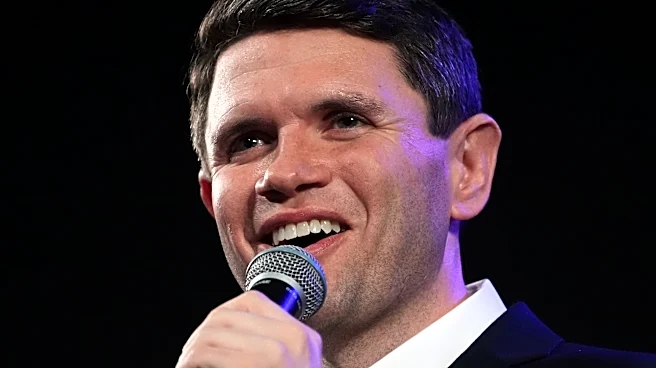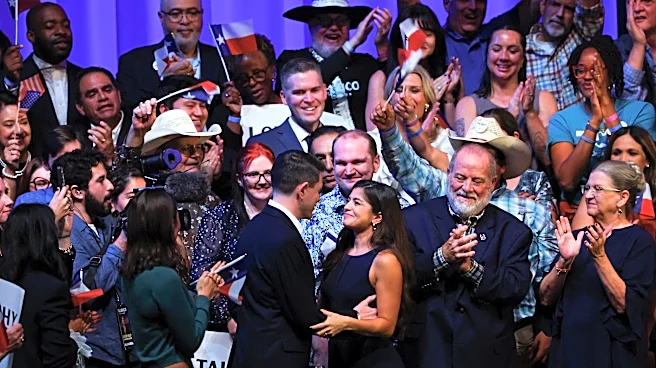






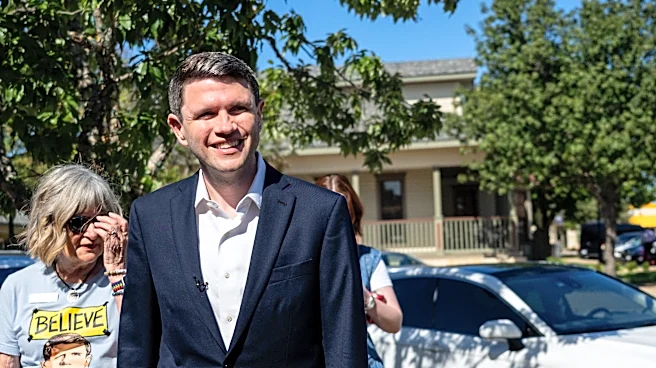



How does a Democrat win a statewide race in Texas for the first time in over 30 years? For Senator-elect James Talarico, the answer lies in a powerful, often underestimated force: independent voters. His victory wasn't just a political upset; it was a masterclass
in building a modern, cross-partisan coalition.
The Shifting Texas Landscape
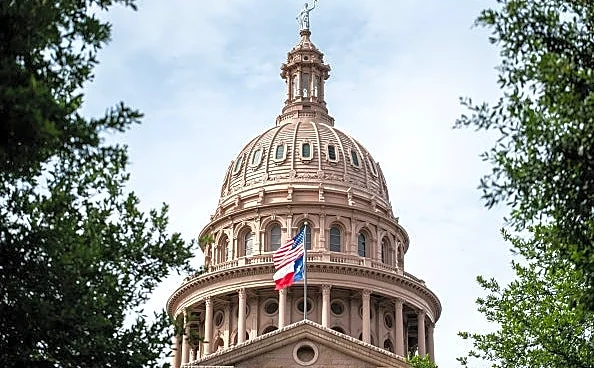
For decades, a statewide victory for a Texas Democrat was seen as a political fantasy. The state was a Republican stronghold. But beneath the surface, the ground was shifting, particularly in the sprawling suburbs around cities like Austin, Dallas, and Houston. Rapid population growth brought in a flood of new residents, diversifying once deep-red areas like Williamson County. These suburban counties became less reliably Republican and more politically fluid, creating a vast and influential bloc of independent voters and moderate Republicans who were tired of hyper-partisanship and open to a different message. This demographic transformation created the opportunity Talarico needed, turning these battleground areas into the foundation for a statewide win.
A Playbook for the Center
James Talarico didn't win by accident. He ran a disciplined campaign laser-focused on reaching voters who felt politically homeless. A former teacher and Presbyterian seminary student, Talarico deliberately avoided national culture wars and partisan talking points. His message was one of economic populism, framing the central conflict in politics not as left versus right, but as 'the top versus the bottom'. He focused relentlessly on kitchen-table issues like the cost of living, affordability, and supporting public schools—topics that resonate across party lines. Polls leading up to the election consistently showed him winning massive margins with independent voters, who backed him by as much as 60% to 32% over his opponent.
A Contrast in Candidates
The strategy was amplified by a stark contrast with his opponent, Republican Ken Paxton. Paxton, the state's controversial attorney general, had been impeached by the Republican-controlled Texas House in 2023 over allegations of corruption before being acquitted by the State Senate. This history provided a crucial opening for Talarico, who extended an 'open hand rather than a closed fist' to Republicans and independents turned off by Paxton's baggage. Talarico's campaign successfully courted these disillusioned voters, including many who had previously supported moderate Republicans like Senator John Cornyn, whom Paxton had defeated in a bruising primary. Talarico's emphasis on his faith and a message of unity stood in sharp relief, allowing him to peel off enough support to build his winning coalition.
The Blueprint for a New Texas?
Talarico's victory, part of a 'blue wave' in Texas that saw Democrats make historic gains, has been called a potential roadmap for the party's future in other red-leaning states. He improved on the performance of past Democratic stars like Beto O'Rourke, not just by energizing his base but by making significant inroads in suburban and even some rural areas. In a state as vast and diverse as Texas, winning requires building unique and sometimes unlikely coalitions. Talarico demonstrated that a candidate who focuses on shared economic concerns, offers a message of unity, and provides a clear alternative to political extremism can successfully bridge the partisan divide. His campaign showed that independents are not just a swing vote to be won, but a foundational part of a new Texas majority.