
The Cult of Chaos
More than any other Grand Slam, the U.S. Open is loud, brash, and unapologetically chaotic. Unlike the polite claps of Wimbledon, Flushing Meadows roars. Fans move during points, music blares at changeovers, and the energy of 23,000 people in Arthur Ashe
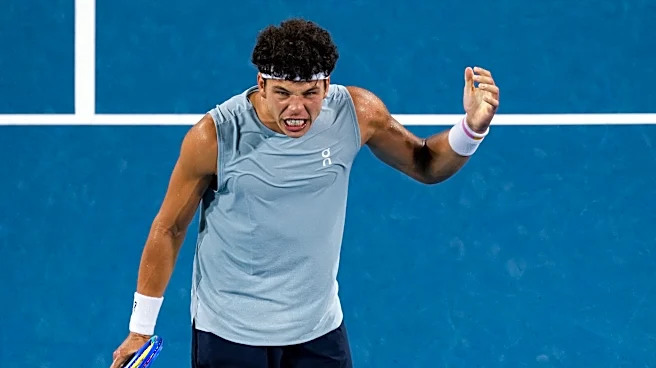
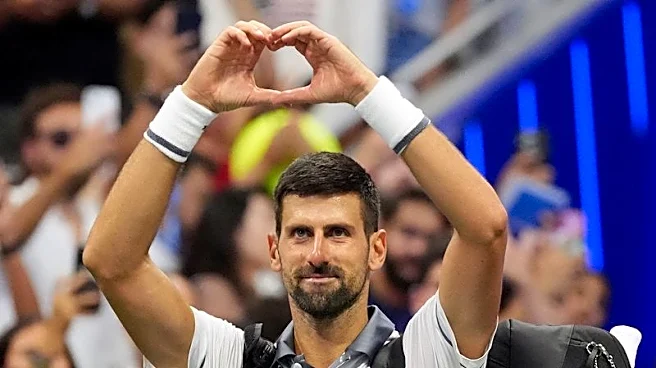
Stadium can be overwhelming. For many players, this sensory overload is a nightmare that drains energy and shatters focus. But for a specific type of personality, the chaos is a fuel source. Players who thrive on external energy—who enjoy a bit of a street fight—can channel the noise, turning a hostile environment into a powerful tailwind. They feed off the crowd's intensity, drawing strength from an atmosphere that causes others to crumble.
A True Hard Court Test
Tennis is a sport of surfaces, and the U.S. Open is played on a medium-fast hard court that offers a true and predictable bounce. Unlike the slow clay of the French Open, which favors patient grinders, or the slick grass of Wimbledon, which rewards big servers and net-rushers, the hard courts of New York demand a complete game. Players with aggressive baseline styles, who can hit powerful shots from both wings and move efficiently, find their footing here. The Laykold surface, used since 2020, is engineered for consistency but is also known for its speed, giving less time to recover and rewarding players who take the ball early and dictate play. This levels the playing field, creating opportunities for powerful hitters to punch above their weight.
The Final Boss of the Season
The U.S. Open is the fourth and final Grand Slam of the year. By the time players arrive in late August, they have been on a grueling, globe-trotting tour for eight months. Physical fatigue and mental burnout are rampant. This creates a fascinating dynamic. Top-ranked players who have gone deep in the Australian Open, French Open, and Wimbledon may be running on fumes. Meanwhile, a lower-ranked player who has had a lighter schedule or is simply fresher can become incredibly dangerous. The end-of-season fatigue narrows the gap between the top seeds and the hungry challengers, making upsets more likely. A player who is physically and mentally fresh can outlast opponents who are simply trying to survive the final stretch.
Surviving the New York Pressure Cooker
Beyond the court and the calendar, there is the simple, unrelenting pressure of New York. The heat and humidity can be brutal, turning matches into tests of physical endurance. The city itself, with its constant motion and energy, is a world away from the serene settings of other tournaments. And then there's the mental game. Tennis is an intensely psychological sport, where players are alone on the court, battling their own doubts as much as their opponent. The ability to reset after a lost point, to stay focused amid distractions, is paramount. At the U.S. Open, these mental challenges are amplified. Players who possess supreme mental toughness and can compartmentalize the external pressures often find a special gear, playing with a clarity and confidence that seems to come out of nowhere.