







Understanding the Opponent
Salmonella is a group of bacteria that typically live in the intestines of animals and humans and can contaminate a wide range of foods, from meat and eggs to fruits and vegetables. The illness it causes, salmonellosis, often feels like the stomach flu,
with symptoms like diarrhea, fever, and stomach cramps usually appearing 6 hours to 6 days after infection. While most healthy people recover within a week without specific treatment, the illness can be more severe for young children, older adults, and individuals with weakened immune systems. The bacteria don't typically change the look, smell, or taste of food, making prevention the only reliable strategy.
The Four Pillars of Food Safety
Government health agencies like the USDA and CDC promote a simple, four-part framework for food safety at home: Clean, Separate, Cook, and Chill. Mastering these four concepts is the foundation for protecting yourself and your family from Salmonella and other foodborne illnesses. "Clean" involves washing hands and surfaces often. "Separate" means avoiding cross-contamination between raw and cooked foods. "Cook" refers to heating foods to the proper internal temperature. Finally, "Chill" is all about refrigerating foods promptly to slow bacteria growth. By applying these principles throughout your food preparation process, you create multiple layers of defense.
Defense Starts at the Grocery Store
Your diligence should begin before the food even enters your home. When shopping, place raw meat, poultry, and seafood in separate plastic bags to prevent their juices from dripping onto other items in your cart. Make the grocery store your last stop on an errand run to minimize the time perishable foods spend in your car. Once home, refrigerate or freeze perishables within two hours (or one hour if it's over 90°F outside). Store eggs in their original carton inside the main part of the refrigerator, not in the door where temperatures fluctuate. Keep raw meats on the bottom shelf of the fridge to ensure they can't leak onto ready-to-eat foods below.
The Kitchen: A Cross-Contamination Hotspot
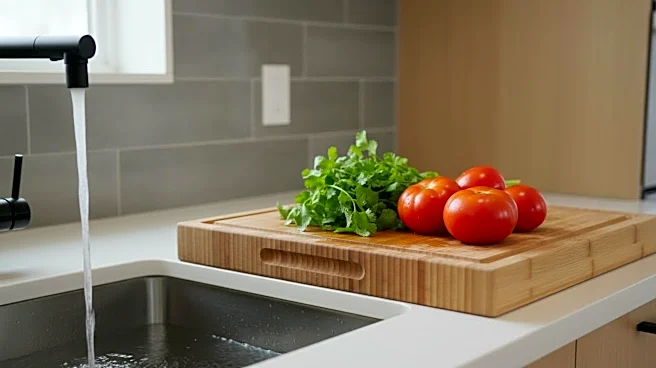
The kitchen is where most cross-contamination happens. Always wash your hands with soap and warm water for at least 20 seconds before and after handling raw meat, poultry, or eggs. Use separate cutting boards—one for raw meats and another for fresh produce. If you only have one, wash it thoroughly with hot, soapy water after preparing raw meat and before cutting anything else. One common mistake is rinsing raw chicken or turkey; this practice doesn't remove bacteria and can splash contaminated water onto your sink and countertops. Cooking the poultry to the correct temperature is the only way to kill the germs.
Cook to the Right Temperature
Color is not a reliable indicator of doneness. The only surefire way to kill Salmonella is to cook food to a safe minimum internal temperature. Investing in a food thermometer is essential. For poultry (including ground chicken and turkey), the safe temperature is 165°F. For ground meats like beef and pork, aim for 160°F. Roasts, chops, and fresh ham should reach at least 145°F. For fish and egg dishes, the targets are 145°F and 160°F, respectively. When reheating leftovers, ensure they reach 165°F to be safe.
Handling Animals and High-Risk Foods
Food isn't the only source of Salmonella. The bacteria can also be found on pets and other animals, including reptiles, amphibians, and backyard poultry. It is crucial to wash your hands thoroughly after handling animals, their food, or cleaning their habitats. Certain foods are also inherently higher risk. These include raw or unpasteurized milk and juices, raw or undercooked eggs, and raw sprouts. People with compromised immune systems, pregnant women, older adults, and young children should be especially cautious and avoid these high-risk items.