







Become a Master of Airflow
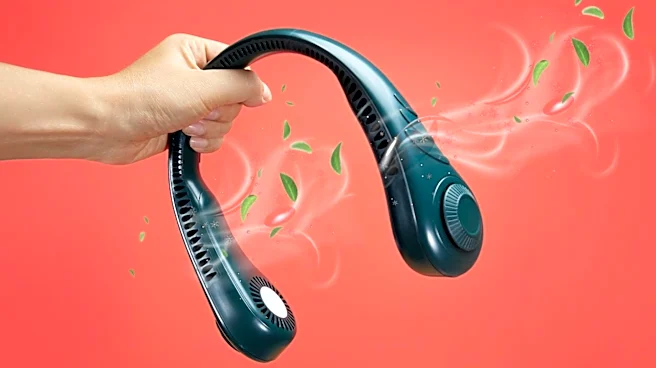
Fans don't lower a room's temperature, but they do create a wind-chill effect that makes you feel cooler by helping sweat evaporate from your skin. The key is strategic placement. For a quick cooling effect, place a bowl of ice or a frozen water bottle
in front of a portable fan; the breeze will pick up the chill from the melting ice and distribute it. For ceiling fans, make sure the blades are spinning counterclockwise in the summer. This pushes cool air downward, which can make a room feel up to four degrees cooler, allowing you to give your A/C a break. Remember to turn fans off when you leave a room—they cool people, not empty spaces.
Use Your Windows Strategically
Your windows are the biggest source of unwanted solar heat gain. During the hottest parts of the day, keep your blinds and curtains closed, especially on south- and west-facing windows. Lighter-colored curtains are better as they reflect heat, while dark ones absorb it. For an even stronger defense, consider blackout curtains or applying a low-cost reflective film to the glass, which can block a significant amount of solar radiation before it ever enters the room. Think of it as putting sunglasses on your house.
Embrace the Night Shift
One of the most effective ways to truly lower your home's temperature is to take advantage of cool nighttime air. This technique, known as night flushing or cross-ventilation, involves strategically opening windows after the sun goes down and the outside temperature drops below your indoor temperature. To create a powerful airflow, open windows on opposite sides of your house to create a breeze. You can amplify this effect by placing a fan in one window, facing out, to push hot air from inside the house. This creates negative pressure that pulls cooler night air in through other open windows. Just be sure to close everything up before the sun starts to bake in the morning.
Fight the Humidity
It’s not just the heat; it’s the humidity. Muggy, moisture-laden air feels much warmer because it prevents sweat from evaporating efficiently. If you live in a humid climate, running a dehumidifier can make your space feel significantly more comfortable even at the same temperature. Other simple tricks include using the exhaust fan in your kitchen while cooking and in your bathroom during showers to pull moist air out. If possible, try cooking outdoors on a grill to avoid generating both heat and steam inside.
Cool Your Body, Not the House
Sometimes the quickest path to comfort is focusing on yourself, not the entire building. Wear loose-fitting clothing made from natural, breathable fabrics like cotton or linen. Taking a cool shower or bath can provide immediate relief by lowering your core body temperature. For a quick fix during the day, try applying a cold, damp cloth to your pulse points, like your wrists and neck. And don't underestimate the power of hydration—sipping on cool drinks throughout the day helps your body regulate its internal temperature more effectively.
Go on a Heat-Source Hunt
Many of the appliances in your home are constantly generating small amounts of heat, even when they aren't in active use. Incandescent light bulbs are major culprits, radiating most of their energy as heat, not light; switching to LEDs can make a noticeable difference. Unplug electronics and chargers when you're not using them, as they continue to draw power and generate heat. Big appliances like dishwashers and clothes dryers also release a lot of warmth and humidity, so try running them at night when the house is already cooler.