



The New Offensive Playbook
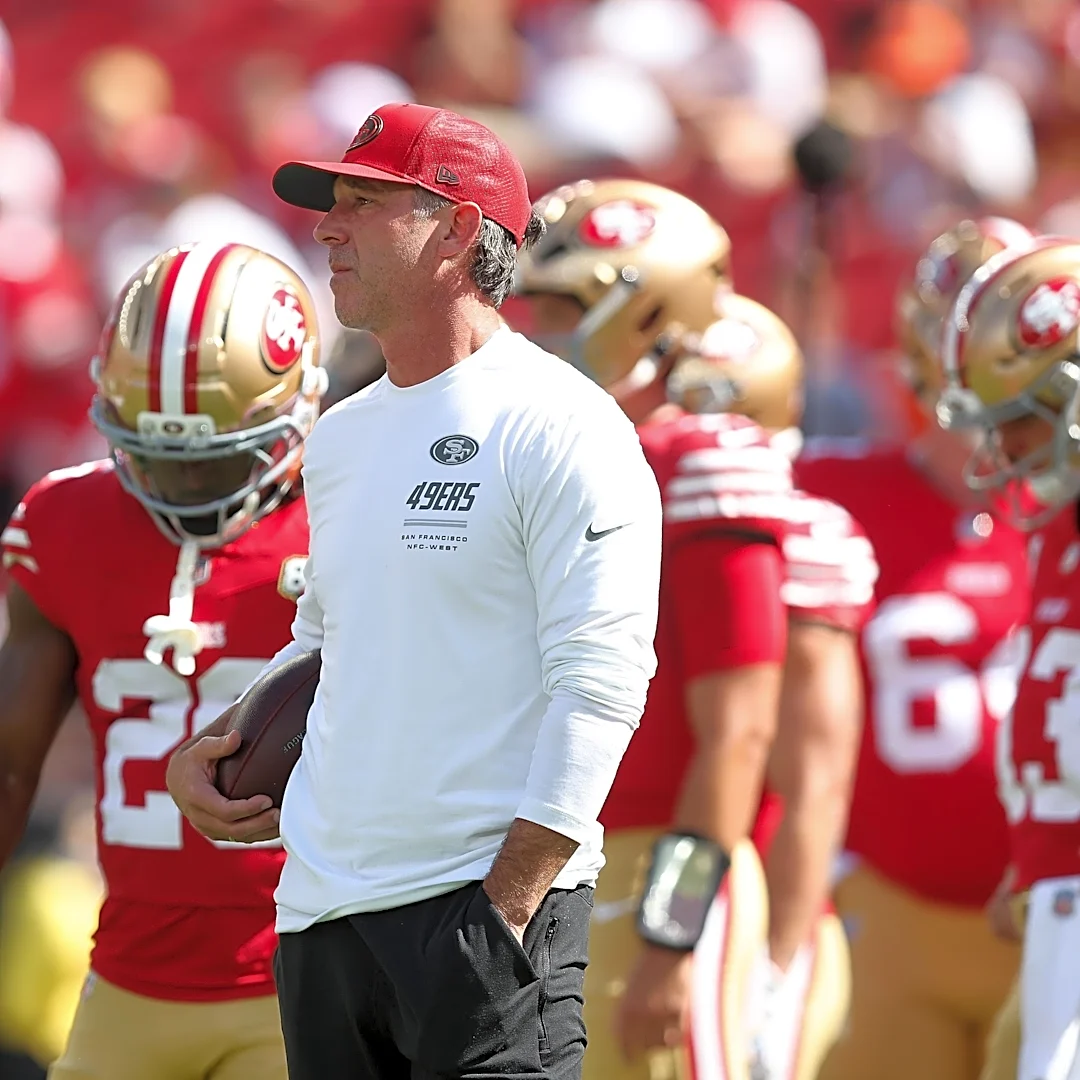
It’s not your imagination. Offenses across the NFL have embraced a philosophy of organized chaos designed to diagnose and exploit defenses before the ball is even snapped. The primary weapon in this assault is pre-snap motion. Teams like the 49ers, Rams,
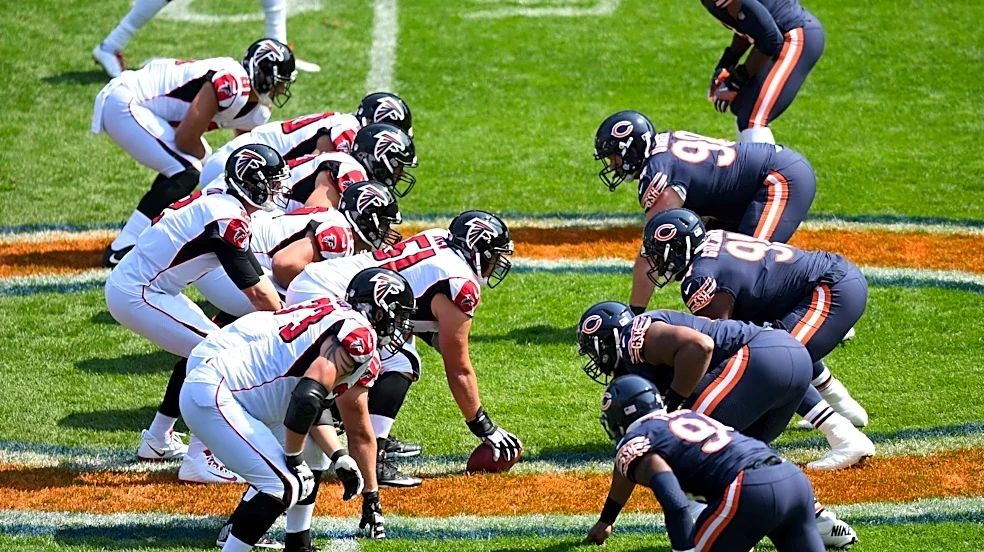
and Dolphins have built their attacks around sending receivers, tight ends, and backs shifting across the formation, forcing defenders to communicate and adjust on the fly. This movement is designed to reveal coverage—does a cornerback follow his man, signaling man-to-man, or do defenders simply pass him off, indicating zone? That split-second of information is gold for a modern quarterback. Compounding the issue is the proliferation of RPOs (Run-Pass Options) and play-action, which intentionally muddy the reads for linebackers and safeties. When a play looks like a run, defensive players must commit to stopping it, leaving them vulnerable to a pass thrown right behind them. This strategic conflict, combined with the use of 'positionless' players like athletic tight ends who are essentially massive receivers, puts unprecedented stress on every level of the defense.
A Tilted Playing Field
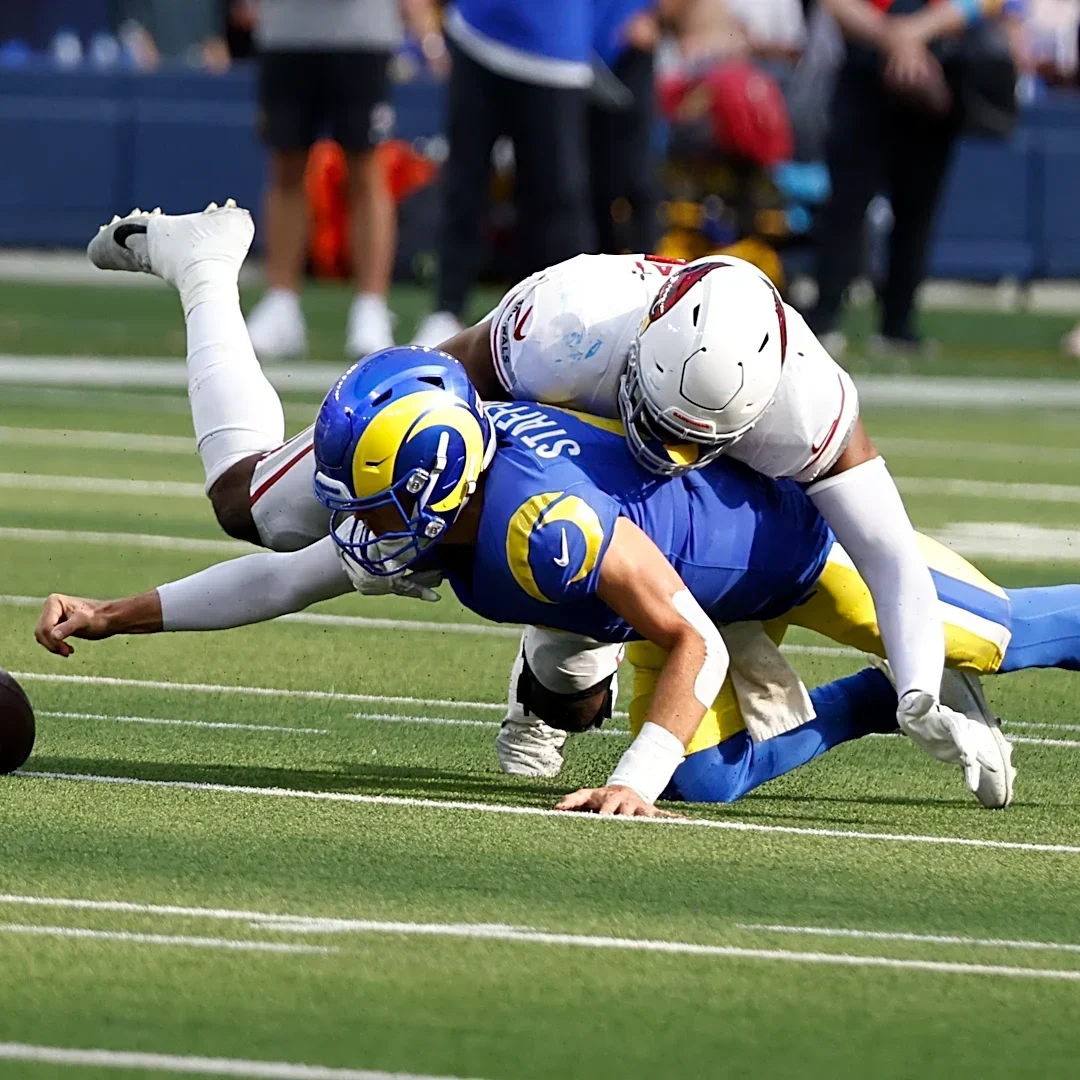
Defensive coordinators would argue they’re fighting with one hand tied behind their backs. For years, rule changes have consistently favored the offense to boost scoring and protect star quarterbacks. Flags for roughing the passer and defensive pass interference have become game-changing penalties, forcing defenders to play with a degree of caution that was once unthinkable. This creates a psychological hurdle; defensive backs are less willing to aggressively contest a catch for fear of drawing a 40-yard penalty, and pass rushers have to be careful how they bring down the quarterback. Beyond the rulebook, the very geometry of the field has become a weapon. Spread formations and the increased use of pre-snap motion are designed to stretch a defense horizontally, forcing them to cover every blade of grass from sideline to sideline. This creates natural one-on-one matchups in space, which heavily favor athletic offensive players. The result is a constant state of compromise for defenses, who are often forced to choose between protecting against the deep pass or committing enough players to stop the run.
The Defensive Counter-Revolution
But don’t count defenses out just yet. The NFL is a league of constant adaptation, and a defensive counter-punch is already well underway. For the past few seasons, a growing number of teams have adopted schemes popularized by coordinators like Vic Fangio, which rely heavily on two-high safety looks. The idea is to keep two safeties deep to act as a ceiling on the offense, taking away the explosive, downfield passes that motion and play-action are designed to create. This forces quarterbacks to be patient and settle for shorter gains, a style of play many are not comfortable with. To compensate for lighter boxes against the run, these defenses rely on post-snap rotation and disguised coverages. They might show a two-high look before the snap, only to have a safety spin down to play the run at the last second. Furthermore, defenses are generating pressure in new ways. Instead of relying on all-out blitzes that can leave the secondary exposed, coordinators are using 'simulated pressures', where they show a blitz pre-snap but only rush four defenders, dropping others into coverage to confuse the quarterback and his offensive line. The game has become a high-stakes chess match of disguise and deception.