




Embracing the 'Ramp-Up' Period
The days of going from zero to 100 on the first day of camp are over. The NFL now mandates a structured acclimation and ramp-up period before full-contact, padded practices can begin. This process involves several days of strength and conditioning, followed
by non-padded practices. The goal is to gradually reintroduce players' bodies to the stresses of football. Data analysis from the league has shown that a spike in lower-extremity soft tissue injuries, like hamstring strains, often occurred in the first 10 days of old-school camps. By easing players in, teams give muscles, tendons, and ligaments time to adapt, significantly reducing the risk of these nagging injuries that can derail a player's season before it even starts.
Making Data the Star Player
The biggest revolution in injury prevention is happening off the field, in data labs. Teams are now leaning heavily on artificial intelligence and advanced analytics to keep players healthy. In a partnership with Amazon Web Services, the NFL developed the "Digital Athlete" platform, which creates a digital avatar for every player. This system collects and analyzes massive amounts of data from sensors in shoulder pads and mouthguards, tracking everything from a player's total distance run to the force of every impact. This allows trainers and coaches to monitor a player's workload in real-time, flagging individuals who might be overworked or showing signs of fatigue that could lead to injury. It’s a shift from relying on feel to making informed, data-driven decisions about who needs a rest day.
Smarter Load Management
Once a controversial term associated with resting star players, "load management" is now a core scientific principle. It’s not about being soft; it’s about being smart. The data collected from GPS trackers helps teams quantify a player's workload, ensuring they find the sweet spot between being underprepared and being dangerously fatigued. Coaches can analyze how much a player is accelerating, decelerating, and changing direction, all of which put immense strain on the body. By carefully managing this load, especially on a week-to-week basis, teams can avoid the sudden spikes in intensity that are a primary cause of non-contact soft tissue injuries. This means practice plans can be tailored to individual needs, ensuring players are pushed to their limits but not past the breaking point.
Investing in Recovery and Wellness
The grind of training camp isn't just about what happens during the two hours on the practice field. Modern teams understand that recovery is an active process. This goes far beyond a simple ice bath. Nutritionists and hydration specialists are now critical staff members, developing personalized plans to help players refuel and repair their bodies. Sleep science has also become a major focus, with teams educating players on the importance of quality rest for muscle repair and cognitive function. Some teams are even utilizing advanced tools like smart compression sleeves or red-light therapy to accelerate recovery at a cellular level. The philosophy is simple: a well-rested, well-fueled athlete is a more resilient athlete.
Rethinking Equipment and Surfaces
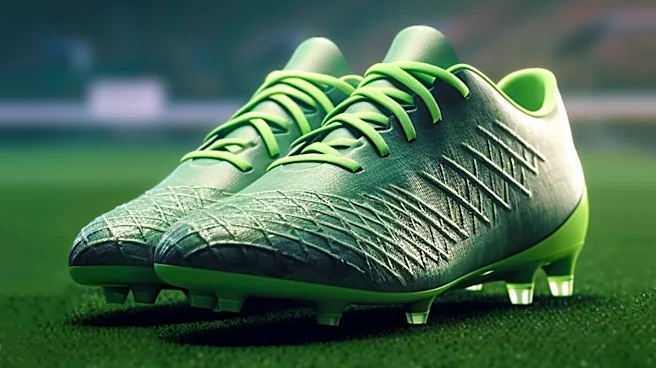
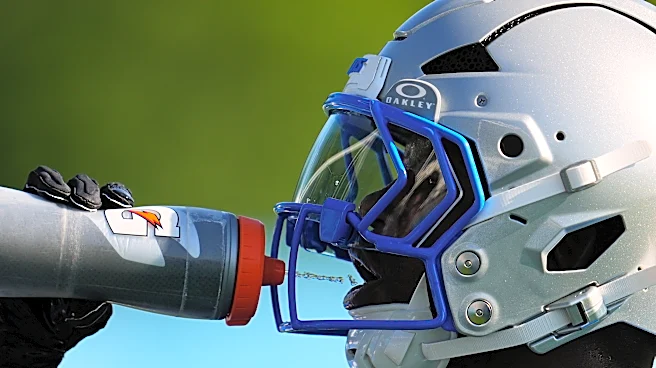
The league and teams are also taking a hard look at the physical environment of the game. The NFL and NFLPA jointly test and rank helmets annually, encouraging players to move into better-performing models to reduce concussions. This has even led to the development of position-specific helmets designed to protect against the types of impacts most common for quarterbacks or linemen. Beyond helmets, everything from the type of cleats a player wears to the turf system they play on is being analyzed for its connection to injury rates. Soft-shell helmet covers, known as Guardian Caps, are also mandated for certain positions during preseason practices to further soften the blow of repetitive head impacts.