
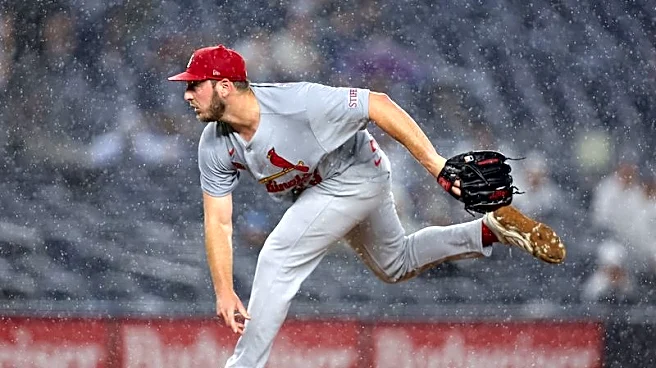
A Certified Shutdown Closer
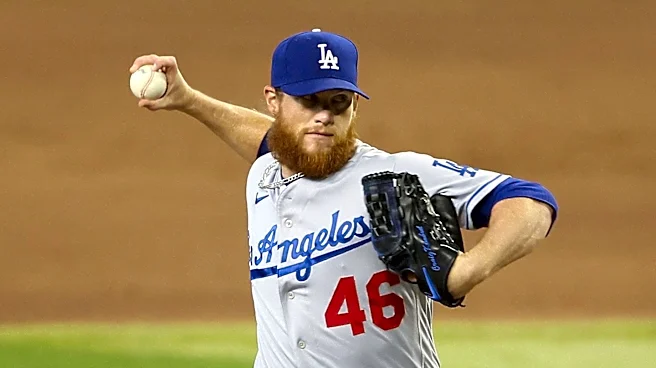
Nothing deflates a team faster than a bullpen that can’t protect a lead. Come October, every game is a nail-biter, and managers need an arm they can trust implicitly in the ninth inning. It’s not just about stats; it’s about a pitcher with the unflappable
demeanor to handle the highest-leverage moments without melting down. Studies and historical trends show that teams with elite closers often outperform in the postseason, where one bad inning can end a series. While a great offense can get you to the playoffs, a shaky bullpen is often what sends you home early. Think of the New York Yankees, who, despite a potent lineup, have been searching for consistency in the final frame. They didn't make a major move for a reliever at the deadline, and now they'll have to hope someone internally gets hot at the right time.
A True No. 1 Starting Pitcher
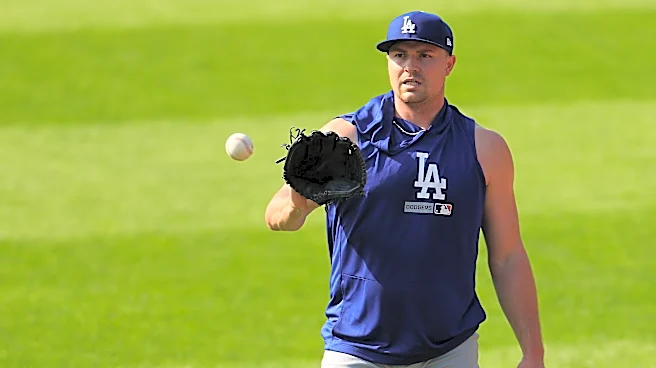
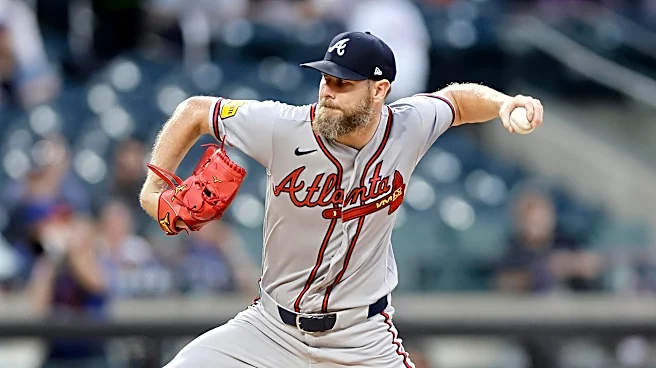
In a five or seven-game series, having a legitimate ace who can start Game 1 and potentially come back on short rest is a massive advantage. This is the pitcher who stops losing streaks and sets the tone for the entire series. The Los Angeles Dodgers, already a powerhouse, clearly understood this principle when they made the blockbuster move to acquire Tarik Skubal from the Tigers. Adding a top-tier starter to an already strong rotation is the definition of a championship move, solidifying their status as the team to beat. Conversely, a team like the Atlanta Braves, while strong, raised eyebrows by only making a minor addition in Tyler Mahle. Relying on just one top-flight starter like Chris Sale is a risky bet for a deep October run.
A Deep and Versatile Lineup
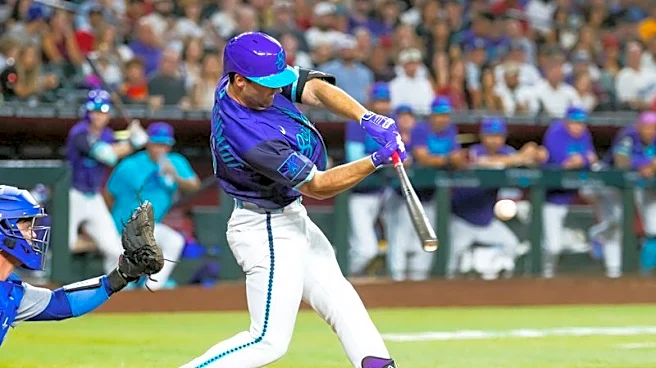
In the postseason, you will face elite pitching. A lineup that relies on one or two superstars can be neutralized by a well-executed game plan. The teams that go far are the ones that can grind out at-bats from top to bottom, forcing opposing pitchers to work. They have hitters who can handle both lefties and righties and players who can come off the bench with a clutch hit. The Philadelphia Phillies took this to heart by acquiring batting-average wizard Luis Arráez. The move forces some defensive shuffling but is a clear bet that adding another tough out to the lineup is paramount. On the other hand, the Arizona Diamondbacks, a team on the wild-card bubble, were criticized for not doing more to add offensive punch beyond Lars Nootbaar.
Health and a Little Bit of Luck
This is the one thing a general manager can’t trade for. The teams that look dominant in July can fall apart by September if key players are on the injured list. The grind of 162 games takes its toll, and often the team left standing is the one that gets healthy at the right time. Being the “best” team on paper during the regular season has a very low correlation with actually winning the World Series. Sometimes it’s about which team gets hot in the final weeks and rides that momentum into the playoffs. You can have all the talent in the world, but if your star pitcher has a dead arm or your best hitter pulls a hamstring, the dream can end in a hurry.
A Cohesive Clubhouse and Proven Leadership
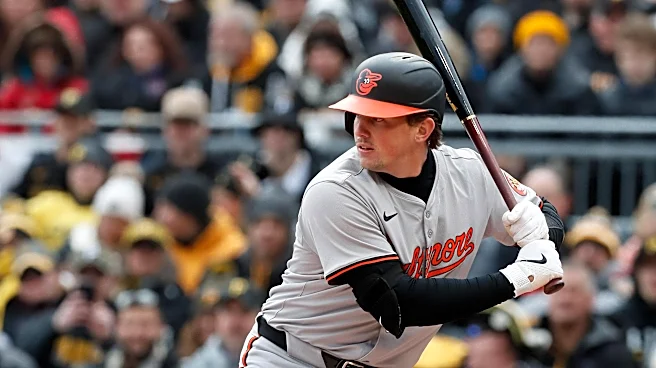
Intangibles matter more than ever under the bright lights of the postseason. A clubhouse that is unified, with veteran leaders who have been there before, is better equipped to handle the immense pressure. Young teams can get overwhelmed by the moment. Look at the Baltimore Orioles, who made the shocking decision to trade away their franchise catcher and clubhouse leader, Adley Rutschman. While the move brought back a haul of prospects for the future, it sent a strange signal to a team hovering near .500 and signaled a punt on the 2026 season. In contrast, the Boston Red Sox, who acquired Rutschman, are betting that his experience and character will be a stabilizing force for their playoff push.