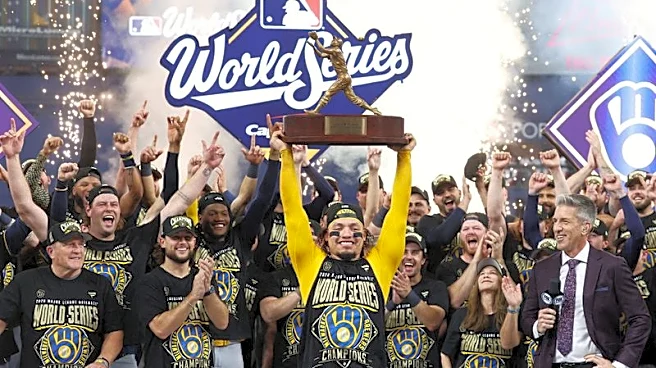






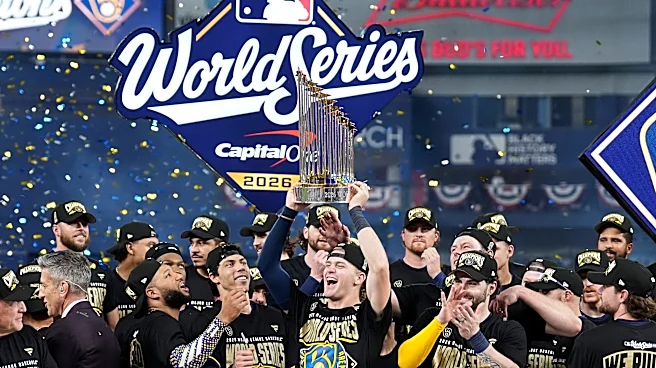

The 2026 World Series is in the books, but baseball's biggest battle is just beginning. With the league's collective bargaining agreement (CBA) set to expire on December 1, a lockout by the owners seems all but guaranteed. Here are the five core disagreements
that could put the 2027 season in jeopardy.
1. The Salary Cap 'Nuclear Bomb'
This is the big one. For the first time since the bitter 1994 strike, team owners are pushing hard for a hard salary cap, similar to the ones in the NFL and NBA. They argue it's necessary for competitive balance, pointing to the massive payroll gap between the highest and lowest spending teams. The owners have proposed a cap of around $245 million and a floor of $171 million, which they say would force low-spending teams to invest more. The MLB Players Association (MLBPA), however, sees a cap as a non-starter and an existential threat to player salaries, calling the proposal a 'nuclear bomb'. The union has historically fought and won against a cap, and their opposition is the single biggest hurdle to a new deal.
2. How the Pie Is Split
Beyond the cap, a fundamental disagreement exists over how baseball's billions in revenue should be shared. The owners have proposed a 50/50 split of baseball-related revenue with the players, similar to other leagues. But the devil is in the details, specifically what counts as 'baseball-related revenue'. The union argues that owners can hide money in other ventures, like real estate developments around stadiums, which wouldn't be part of the revenue-sharing pool. The players have proposed their own solutions, including a 'Competitive Integrity Tax' on teams that don't spend enough and changes to the existing luxury tax system, which they feel some owners treat as a de facto salary cap without sharing the benefits.
3. The Path to Free Agency
How and when a player becomes a free agent is a perennial source of conflict. Currently, players need six years of major league service time to hit the open market. The union has long accused teams of 'service time manipulation'—keeping a major-league-ready prospect in the minors for a few weeks at the start of a season just to delay their free agency by a full year. While the last CBA introduced measures to discourage this, the union feels they don't go far enough. The league has floated radical changes, like tying free agency to a player's age (e.g., 29.5 years old) instead of service time, but this could mean some players who debut young would be under team control for even longer, making it a complex and contentious point of negotiation.
4. The 'Tanking' Problem
Is it smart strategy or bad for the game? The issue of 'tanking'—teams intentionally fielding nonstcompetitive rosters to lose games, secure higher draft picks, and save money on player payroll—remains a major concern for the union. The players argue that this practice suppresses overall salaries and reduces the number of teams actively trying to win, which is bad for both players and fans. While the 2022 CBA introduced a draft lottery to disincentivize losing, the union believes more needs to be done. Owners argue it's a necessary rebuilding strategy for small market teams. This ties directly back to the salary cap and revenue sharing debates, as players believe forcing all teams to spend a minimum amount (a salary floor) is the only way to ensure all 30 clubs are trying to compete.
5. The Structure of the Game Itself
While economic issues dominate the headlines, the two sides also have to agree on the onfield product. Following the introduction of the pitch clock and other paceofplay initiatives, discussions continue about what the game will look like in 2027 and beyond. The most recent CBA expanded the postseason to 12 teams, and that format is once again on the table for discussion. Proposals include reseeding the playoffs after the Wild Card round or even realigning the leagues from three divisions to two to ensure only wildcard teams play in the opening round. While less explosive than the salary cap, these negotiations affect the core fan experience and any strategic goals of every team, adding another layer of complexity to an already fraught negotiation.