





The High-Leverage Gauntlet
In April, a blown save is frustrating. In September, it can be fatal. As the 162-game marathon turns into a final sprint, the margins for error evaporate. Teams fighting for division titles or the last wild card spot find themselves in nail-biters almost
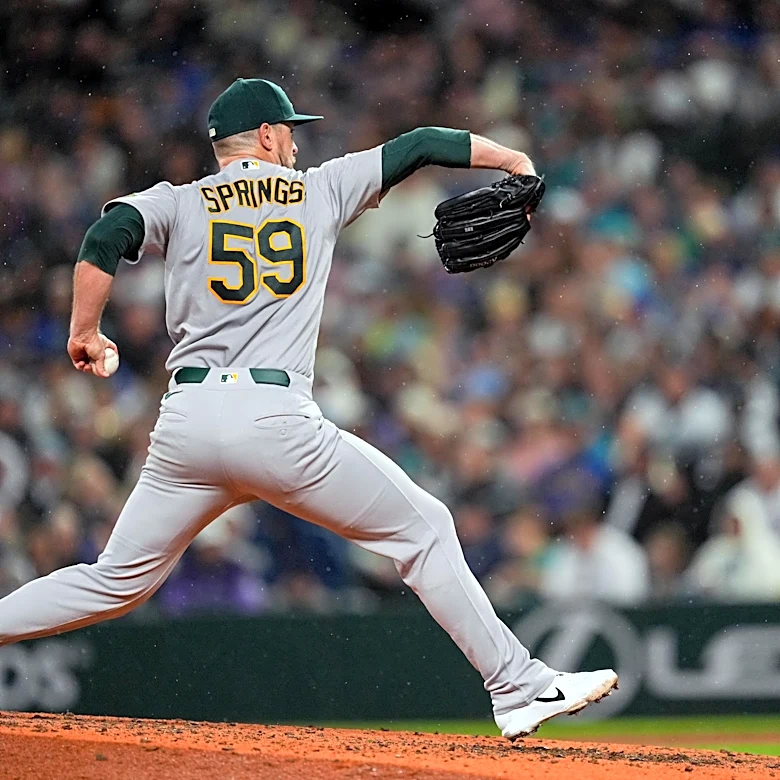
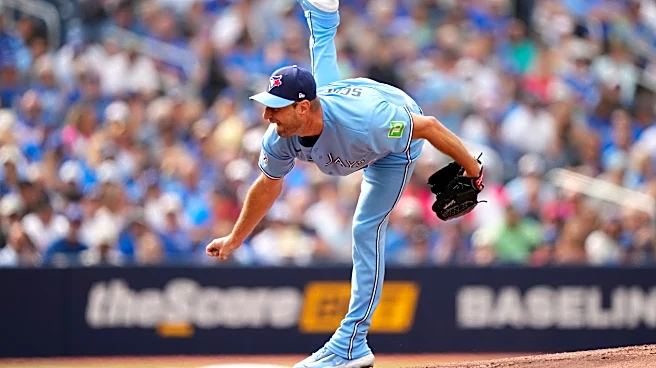
daily. With just a handful of games separating teams like the Toronto Blue Jays and Cleveland Guardians in the American League wild-card race, a single late-inning meltdown can swing the standings. This is where bullpens live. Managers are quicker with the hook, turning to specialists to navigate the seventh, eighth, and ninth innings. Protecting a one-run lead against a division rival becomes the entire season in miniature, and the relievers asked to get those final outs are performing without a net. The pressure is immense, as a single mistake doesn't just lose a game; it can crush a team's momentum and change the entire playoff bracket.
The Roster Expansion Puzzle
September 1st brings roster expansion, allowing teams to increase their active rosters from 26 to 28 players, with a maximum of 14 pitchers. In theory, this provides much-needed reinforcements, especially for the bullpen. These two extra spots often go to a fresh arm from the minor leagues and a strategic position player. However, it introduces a new layer of complexity for managers. Do you trust the unproven rookie with electric stuff in a tight spot, or do you stick with the veteran who has been pitching on back-to-back days? These September call-ups aren't just getting low-stakes innings; they are being thrown directly into the fire of a pennant race. It’s a strategic gamble every night: use the fresh arm to keep your core relievers rested for the next day's battle, or risk burning out your trusted closer before you even reach the postseason.
The Weight of a Long Season
By September, every player is feeling the physical toll of the season, but pitchers feel it most acutely. Starting pitchers who were routinely going seven innings in May are now often pulled after five or six, regardless of their pitch count. This isn't necessarily a sign of failure; it's a strategic move to preserve their health for a potential October run. The direct consequence is that more innings must be covered by the bullpen. Arms are tired, velocity can dip, and command might waver. Studies show that while pitchers are adept at managing fatigue, workload is a significant factor in performance and injury risk. A bullpen that was a strength in the first half can become a liability as overuse and general fatigue take their toll, turning once-reliable setup men into question marks.
The Domino Effect of a Meltdown
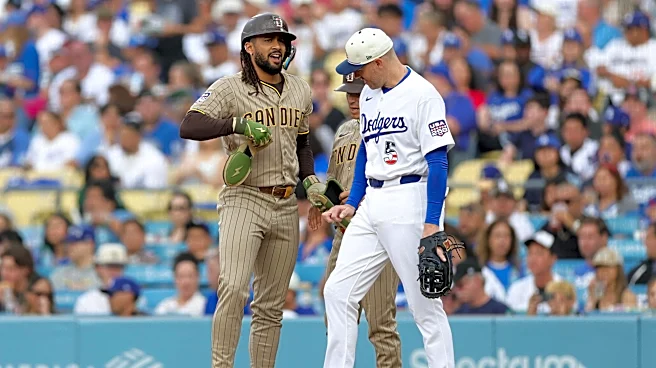
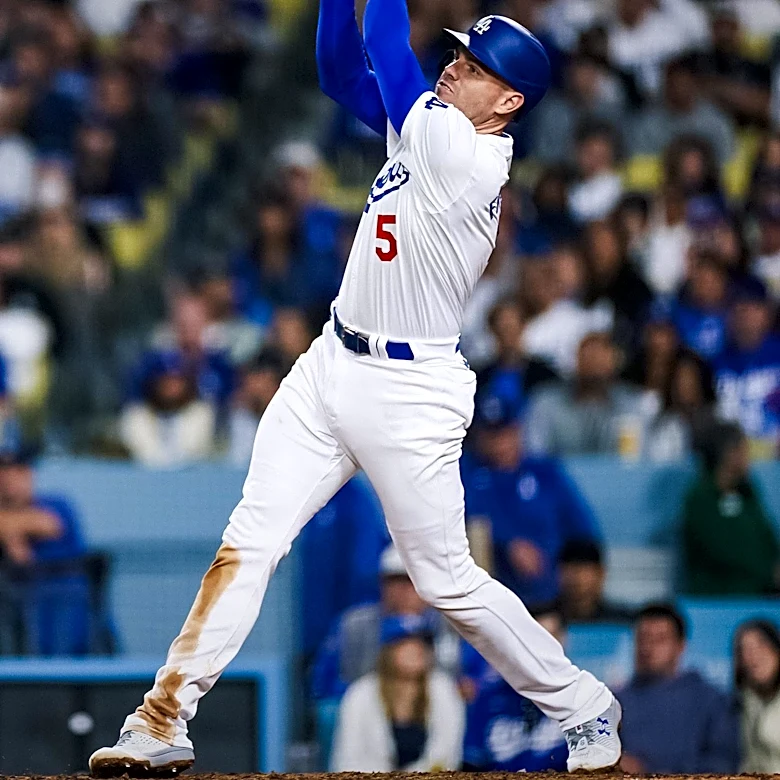
A shaky bullpen doesn't just cost a team one game; it creates a ripple effect that can derail a week. When a reliever blows a save, the manager may be forced to use their other top arms more frequently in the following games to secure wins, leading to increased fatigue and risk. A recent example saw the Los Angeles Dodgers place a reliever on the injured list for the rest of the regular season immediately following his role in a blown lead, highlighting the immense pressure and scrutiny on September performance. Teams with deep, reliable bullpens can absorb a bad outing and adjust. Teams with thin bullpens find themselves in a vicious cycle: a failure leads to overuse, which leads to more fatigue, which can lead to more failures. This is how a team that looks like a lock for the playoffs can suddenly find itself on the outside looking in, all because the arms they trusted to get the final outs couldn't withstand the September spotlight.