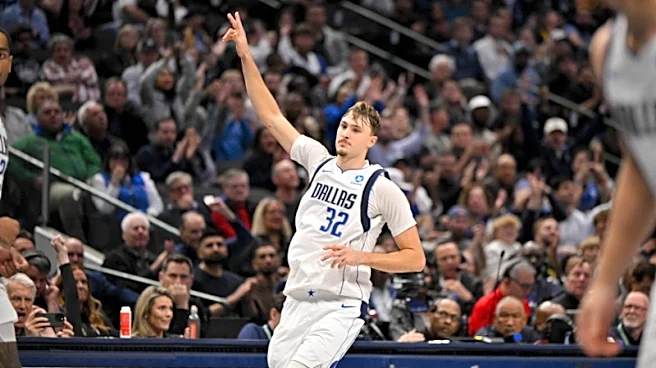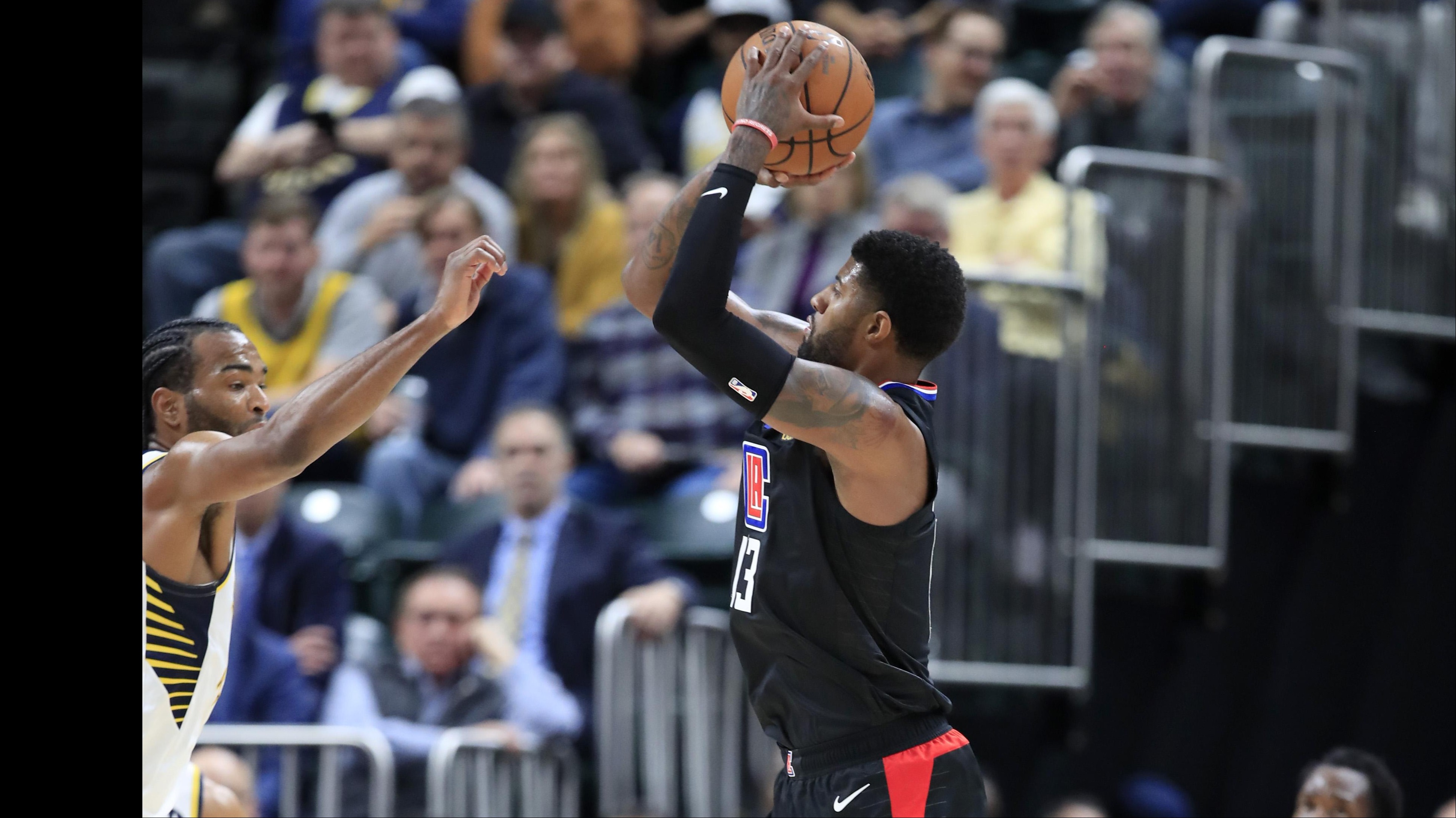





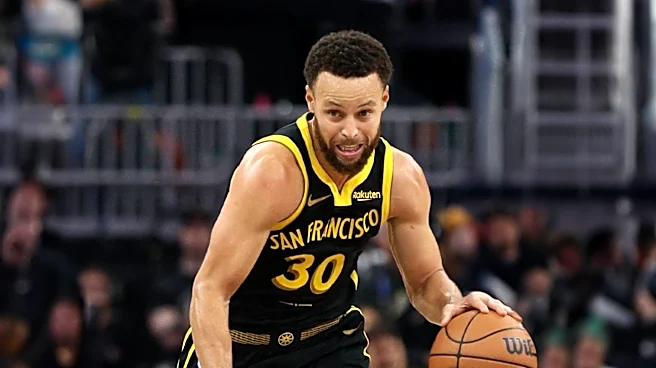
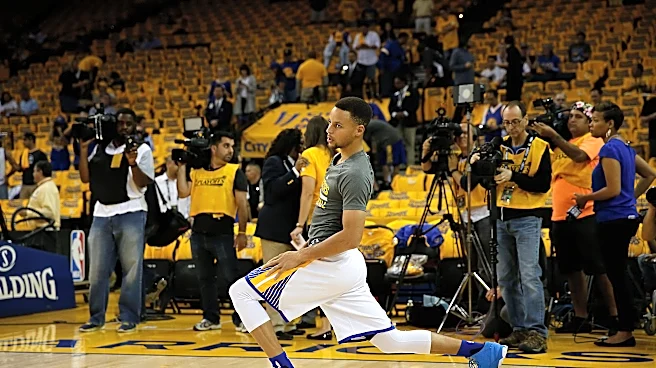
It’s a sight that’s become almost common: a player pulls up two steps inside the half-court logo and launches a shot that splashes through the net. A decade ago, this was a heave. Today, it’s a strategic weapon. What changed?
The Simple Math and the Analytics Boom
The most fundamental reason
for the long-range revolution is simple arithmetic: three is greater than two. For decades, the most inefficient shot in basketball was the long two-pointer. Analytics revealed that a player shooting 34% from three-point range generates more points per shot (1.02) than a player shooting a blistering 50% on long twos (1.0). This statistical reality, pushed by analytically minded front offices, led to a league-wide shift. Teams began to systematically eliminate the mid-range jumper in favor of shots at the rim or behind the arc. The number of three-point attempts per game has more than doubled in the last 15 years, a direct result of teams optimizing their shot selection for maximum efficiency. What started as a numbers game on a spreadsheet has completely reshaped the geometry of the court.
The 'Curry Effect' and a New Generation of Shooters
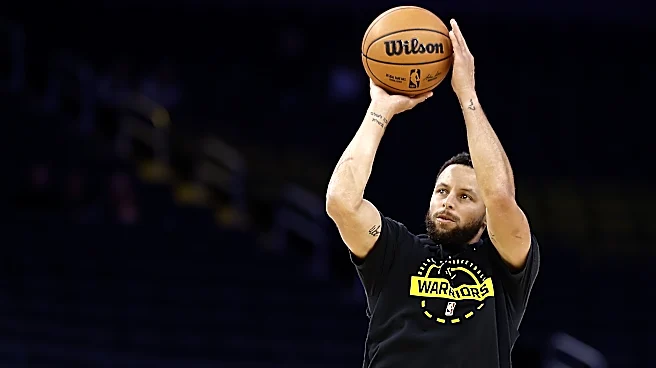
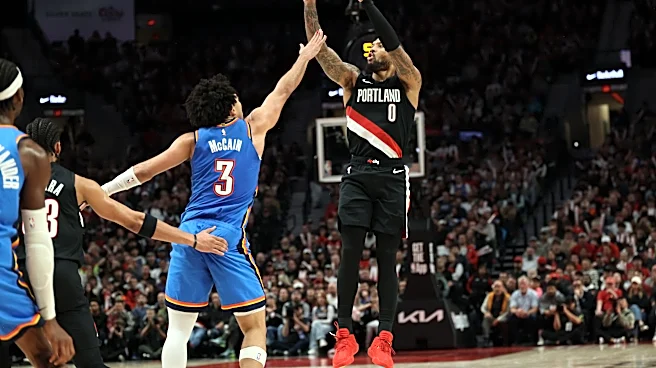
While analytics provided the 'why,' players like Stephen Curry provided the 'how.' Curry’s staggering success shooting from well beyond the arc demonstrated that elite players could be incredibly efficient from extreme distances. He didn't just take deep threes; he built an offensive dynasty around them, proving it was a viable, championship-winning strategy. His ability to make contested, off-the-dribble shots from 30-plus feet warped defenses in ways never seen before. This created a copycat effect. Players like Damian Lillard and Trae Young followed suit, turning the 'logo shot' into a legitimate part of their arsenal. An entire generation of young players grew up seeing these shots not as circus acts, but as skills to be honed. Players now dedicate countless hours in practice to extending their range, making what was once unthinkable a routine part of their offensive game.
The Strategic Value of 'Gravity'
The value of a deep shooter isn't just the points they score. It's the 'gravity' they create on the court. When a player is a credible threat to shoot from 35 feet, a defender must guard them that far from the basket. This pulls at least one defender far away from the rim, stretching the defense to its breaking point. This concept, known as 'spacing,' is the cornerstone of modern NBA offense. The vast open space created by a deep shooter gives teammates wider lanes to drive for layups, more room for cutters to operate, and more time for other shooters to get open. An offense with a deep shooter is simply harder to guard. The defense is forced to cover more ground, making help rotations slower and double-teams riskier. In essence, the threat of the deep shot makes every other type of shot easier.
Evolving Player Skill and Training
This isn't just a story about strategy; it's also about a dramatic evolution in player skill. The average NBA athlete today is more skilled than ever before. Players have adapted their training regimens specifically to develop the strength and mechanics required for long-distance shooting. It requires immense core strength and refined technique to shoot accurately and consistently from 30+ feet without compromising form. What was once considered a 'bad shot' by coaches is now encouraged, provided the player has proven they can make it. This offensive evolution has forced defenses to adapt, often unsuccessfully. Teams now regularly switch defenders on screens and extend their pick-and-roll coverage far higher on the floor, but there is often no good answer for a player who can comfortably shoot from anywhere inside halfcourt.