





What is the Amazon's Tipping Point?
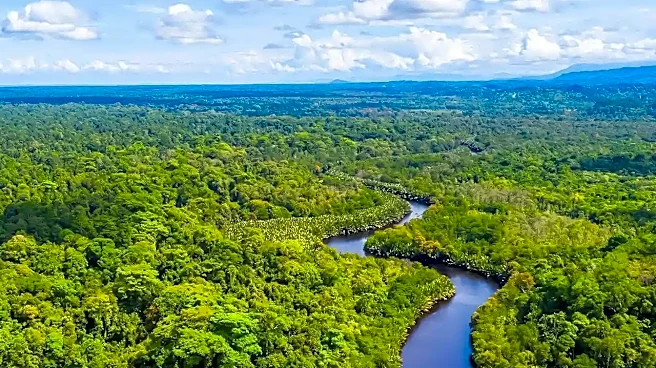
Imagine a system that sustains itself. The Amazon rainforest does this by creating its own weather. Trees pull vast amounts of water from the soil and release it as vapor through a process called transpiration. This moisture forms clouds that produce
the region's life-giving rain. The 'tipping point' is the threshold where so much forest is lost that this water cycle breaks down. Without enough trees to generate sufficient rainfall, the ecosystem can no longer support a lush rainforest. Instead, it could rapidly transition into a drier, savanna-like landscape, a process known as dieback. Scientists have been discussing this possibility for decades, with early estimates suggesting the point of no return would be when 20-25% of the forest is cleared. As of 2022, deforestation had already reached about 17%.
The Forces Pushing It Over the Edge
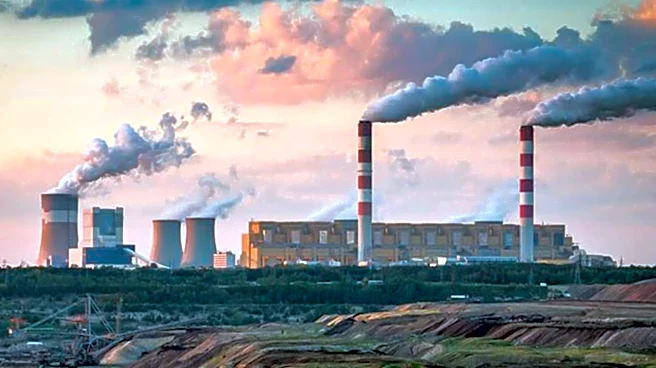
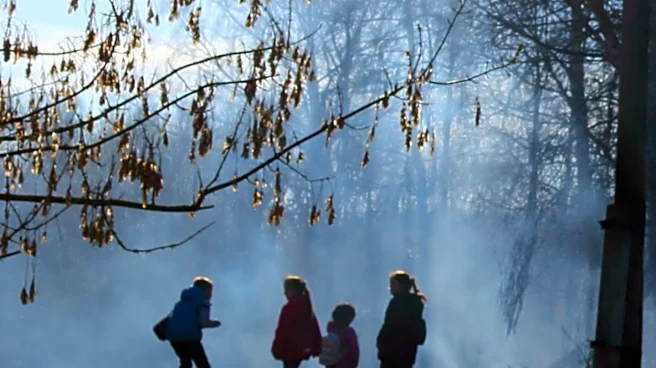
The primary drivers are a devastating combination of human activity and climate change. Aggressive agricultural expansion for cattle ranching and soy cultivation, along with illegal logging and mining, are the main culprits behind deforestation. These activities not only clear vast tracts of land but also make the remaining forest more vulnerable. Adding to this pressure is climate change, which brings higher temperatures and more frequent, severe droughts to the region. A drier forest is more susceptible to fires, which are often intentionally set to clear land but can easily rage out of control. This creates a dangerous feedback loop: deforestation and fires release stored carbon, which accelerates global warming, leading to more drought and fire, further damaging the forest.
What Happens If We Cross the Threshold?
The consequences of passing the Amazon's tipping point would be catastrophic and far-reaching. First, the transformation from rainforest to savanna would trigger a massive loss of biodiversity, threatening countless species found nowhere else on Earth. Second, it would turn one of the world's largest carbon sinks into a massive carbon source. The Amazon currently stores an estimated 150 to 200 billion tons of carbon. Releasing even a fraction of that would make limiting global warming to targets like 1.5°C significantly more difficult, if not impossible. Finally, the disruption of the Amazon's rain-making machine would alter weather patterns not just in South America but potentially across the globe, impacting agriculture and water availability far beyond the forest itself.
Is There Any Hope Left?
While the situation is critical, the tipping point is not yet considered a certainty. Recent efforts in Brazil have led to a significant drop in deforestation rates in 2025 and the first half of 2026, hitting a ten-year low. This demonstrates that political will and enforcement can make a dramatic difference. However, these gains are fragile. Wildfires remain a serious threat, and some parts of the Amazon are already showing signs of turning into a carbon source. Scientific models published in 2024 suggest that compounding disturbances from water stress, land clearance, and climate disruption could trigger a transition by 2050. Researchers emphasize that saving the Amazon requires a two-pronged approach: halting deforestation locally and drastically cutting global greenhouse gas emissions.