







1. Frozen Berries
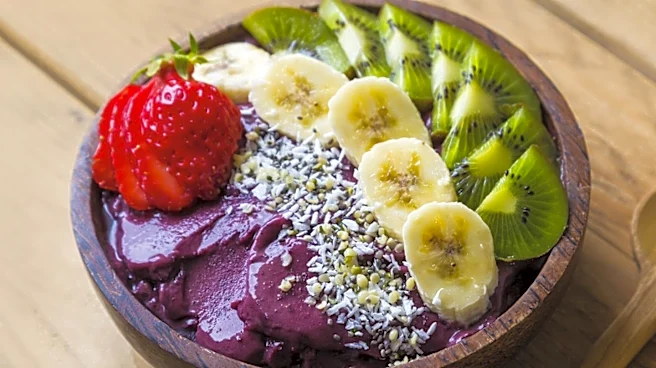
Forget the idea that fresh is always nutritionally superior. Berries are often flash-frozen within hours of being picked, a process that halts nutrient loss and locks in vitamins and antioxidants. Studies have shown that frozen berries can have equal
or even higher levels of these beneficial compounds compared to fresh ones that have spent days in transit. They're perfect for smoothies, oatmeal, or yogurt, providing a boost of fiber and Vitamin C without any added sugar—just be sure to check the label for 'unsweetened' varieties.
2. Frozen Spinach and Kale
Keeping fresh greens on hand without them wilting is a common kitchen challenge. Frozen spinach and kale solve that problem. These nutrient-dense powerhouses are blanched and frozen, preserving much of their iron, calcium, and vitamins A and K. They are incredibly versatile; you can toss a block into soups, stews, pastas, or morning smoothies for an instant, effortless vegetable boost. It’s one of the easiest ways to ensure you’re getting your greens in, even on the busiest of days.
3. Frozen Edamame
As a plant-based protein source, edamame is a true champion. A cup of these young soybeans provides a substantial amount of fiber and protein, making them a satisfying snack or a great addition to a meal. Keeping a bag in the freezer means you’re just a few minutes of boiling or steaming away from a nutritious appetizer. Sprinkle with a little sea salt for a classic treat, or add the shelled beans to salads, stir-fries, and grain bowls for extra texture and a powerful protein punch.
4. Frozen Fish Fillets
High-quality protein is essential, and frozen fish makes it incredibly convenient. Varieties like wild Alaskan sockeye salmon or cod are often vacuum-sealed and frozen shortly after being caught, preserving their freshness and delicate texture. Salmon is packed with heart-healthy omega-3 fatty acids, and having individually portioned fillets in the freezer simplifies meal prep. You can bake, broil, or pan-sear them directly from frozen for a quick weeknight dinner that feels far more gourmet than its preparation time suggests.
5. Frozen Brown Rice or Quinoa
Cooking whole grains from scratch can be time-consuming, which is often a barrier to eating healthier. Enter steamable bags of frozen brown rice and quinoa. These products offer a perfect portion of complex carbohydrates and fiber, ready in minutes. They serve as an excellent base for a quick grain bowl—just add a protein like edamame or chicken, some frozen veggies, and a simple sauce. It’s a game-changer for anyone who wants a balanced meal without the wait.
6. Frozen Peas
Often overlooked, the humble pea is a nutritional giant. Frozen peas are surprisingly high in fiber and even contain a decent amount of plant-based protein. They are also picked and frozen at their peak sweetness, which makes them a delicious and kid-friendly vegetable. Unlike their canned counterparts, frozen peas retain a firm texture and vibrant color. Add them to pasta dishes, shepherd's pie, or simply serve them as a side dish. Their convenience and versatility make them an underrated freezer essential.
7. Frozen Mixed Vegetables (No Sauce)
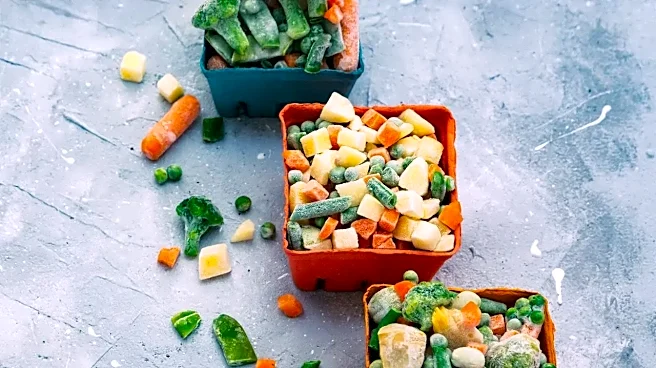
For the ultimate healthy shortcut, nothing beats a bag of plain, mixed frozen vegetables. A classic blend of corn, carrots, peas, and green beans provides a variety of nutrients and colors in one go. The key is to choose bags without added sauces, which can be high in sodium, unhealthy fats, and sugar. You control the seasoning. Sauté them with a little olive oil and garlic, roast them in the oven for a deeper flavor, or steam them for a simple, clean side dish. It's the easiest way to add a serving or two of vegetables to any meal.