






1. Aerobic (Cardiovascular) Exercise
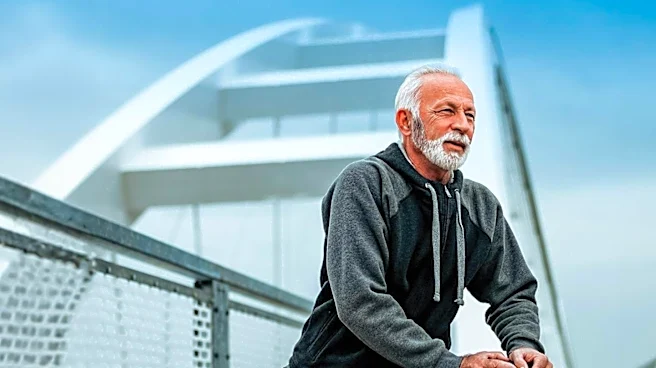
Often called “cardio,” aerobic exercise is any activity that raises your heart rate and makes you breathe harder. It’s the foundation of most fitness plans for a reason: it’s strongly associated with a reduced risk of premature death. Activities like
brisk walking, running, swimming, and cycling improve heart health, lower blood pressure, and help manage weight. Recent studies have reinforced the value of combining aerobic activity with other forms of exercise for maximum benefit. Federal guidelines recommend at least 150 minutes of moderate-intensity aerobic exercise or 75 minutes of vigorous-intensity exercise per week. Moderate activity means you can still hold a conversation, like during a brisk walk, while vigorous activity, like running, makes talking difficult. The key is consistency, as the cumulative effects on your cardiovascular system are what contribute to a longer healthspan. Some research has even identified specific activities like tennis or badminton as being particularly beneficial, likely because they combine aerobic demands with social engagement and mental focus.
2. Strength (Resistance) Training
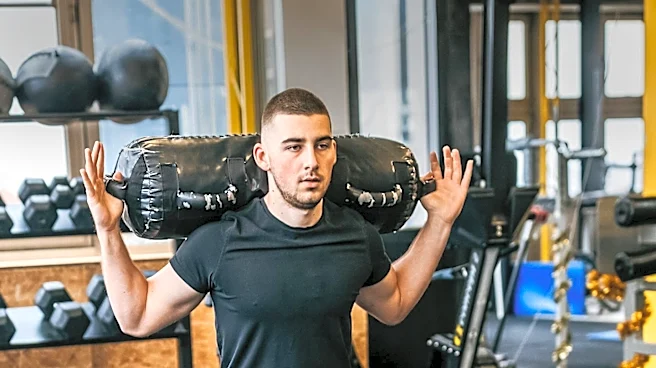
Lifting weights isn't just for bodybuilders; it's a critical tool for healthy aging. As we get older, we naturally lose muscle mass and bone density, which can lead to frailty, falls, and a loss of independence. Strength training directly counters this decline. A large, long-term study published in the British Journal of Sports Medicine found that individuals who engaged in strength training had a significantly lower risk of death from all causes, including heart disease and neurological conditions. The sweet spot, according to the research, appears to be around 90 to 120 minutes of resistance training per week. Beyond this amount, the added benefits for longevity seem to plateau. You don't need a gym membership to start. Bodyweight exercises like squats, push-ups, and lunges are highly effective, as are exercises using resistance bands or light dumbbells. The most profound benefits were seen in those who combined their strength workouts with regular aerobic exercise, cutting the risk of early death by as much as 45% compared to sedentary individuals.
3. Flexibility and Mobility Work
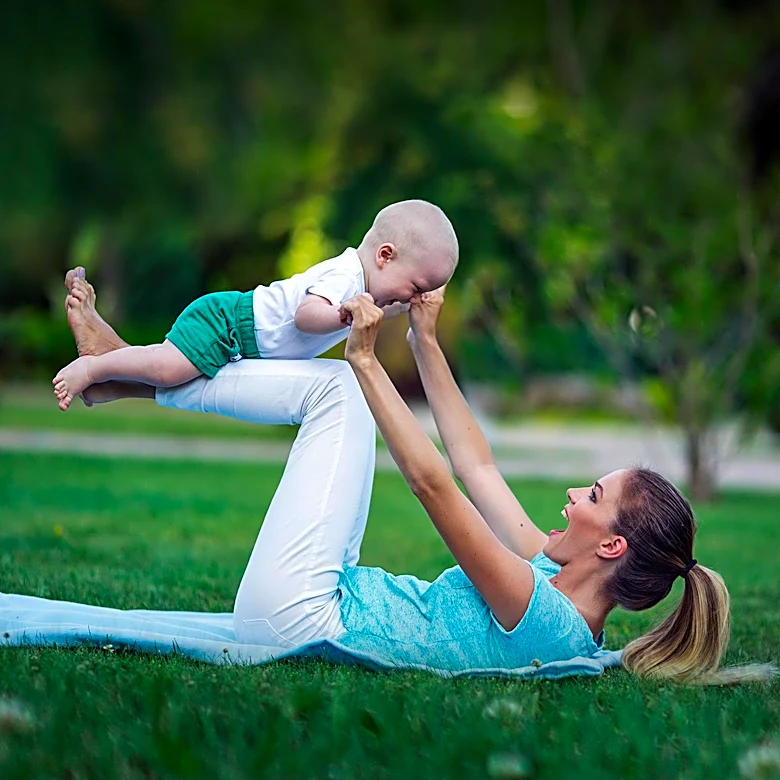
Flexibility (a muscle's ability to stretch) and mobility (a joint's ability to move through its full range of motion) are often overlooked, but they are crucial for maintaining quality of life as you age. Poor flexibility can hinder your ability to perform simple daily tasks, like tying your shoes or reaching for something on a high shelf, which can chip away at your independence. While the direct link between stretching and a longer lifespan is still being studied, its role in preventing falls is well-established. Falls are a leading cause of injury and death in older adults, and maintaining good mobility is a primary defense. Activities like yoga, tai chi, and dedicated stretching routines help preserve the lubrication in your joints and your body's ability to move freely and without pain. Incorporating just a few minutes of stretching or mobility drills into your daily routine can help you stay active, agile, and less prone to the injuries that can sideline you from other life-extending activities.
4. Balance and Stability Training
Hand-in-hand with mobility is balance. Like muscle mass, our sense of balance tends to decline with age due to changes in our inner ear, vision, and the sense of our limbs in space (proprioception). This makes older adults more susceptible to falls, which can have devastating consequences. Research has shown that the ability to stand on one leg for ten seconds or more is a surprisingly strong predictor of longevity in adults over 50. Balance training directly addresses this by strengthening the small stabilizing muscles in your legs and core and training your brain to better integrate signals from your eyes, ears, and body. Simple exercises, often recommended by physical therapists, can make a huge difference. These include standing on one foot, walking heel-to-toe, or practicing tai chi. The World Health Organization recommends that older adults perform balance-focused activities at least three days a week to reduce their fall risk and maintain the confidence needed to stay active and engaged in the world.