





The Reign of the High Press
First, let's be clear about the tactic in question: the high press, or its more aggressive German cousin, the 'gegenpress'. For years, this has been the engine of the league's most successful teams. The concept is simple in theory but exhausting in practice.
When you lose the ball, you don't retreat into a defensive shape. Instead, your entire team sprints to win it back immediately, as high up the field as possible. The goal is to force a mistake near the opponent's goal, creating a scoring chance out of chaos. It's a strategy that turns defense into a form of attack, and managers like Jürgen Klopp and Pep Guardiola built dynasties on its back, making it feel less like a choice and more like a prerequisite for ambition.
The Physical Bill Comes Due
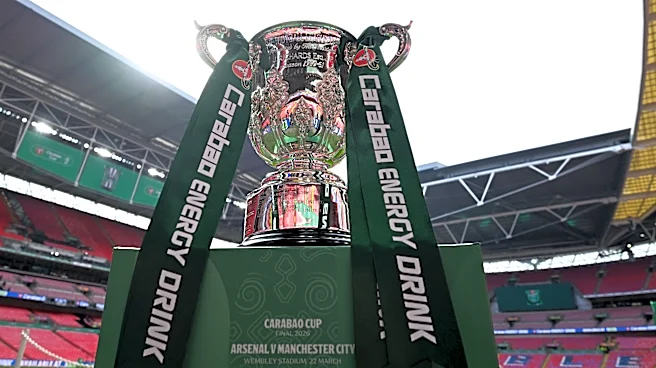
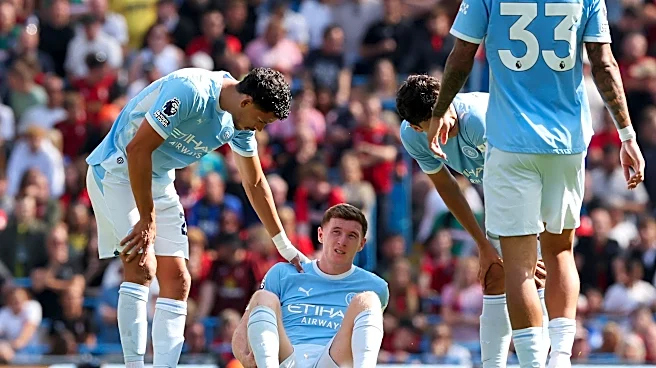
So, why the change of heart? In short, the physical bill is coming due. The modern soccer calendar is relentless, with top clubs playing domestic leagues, multiple cup competitions, and expanded European tournaments. This unforgiving schedule, often referred to as fixture congestion, leaves little room for recovery. Executing a high-energy press twice a week is proving unsustainable, leading to a rise in muscle injuries, fatigue-related errors, and general burnout. Players are covering more high-intensity distance than ever before, and studies show that while total distance covered might not drop, the explosive sprints needed for an effective press are often the first casualty of fatigue. Teams are realizing that a strategy built on limitless energy crashes hard against the reality of human limits.
Smarter, Not Harder
The counter-movement isn't a return to lazy, passive defending. It's a strategic evolution toward what coaches call a "mid-block." Instead of chasing the ball all over the opponent's half, teams are setting their defensive line closer to the halfway point. They are becoming more selective, saving their energy for specific pressing triggers—a bad touch from a defender, a slow pass, or a player turning their back. This more patient approach conserves energy and keeps the team in a more compact, organized shape, making them harder to break down. Furthermore, as attacking teams have developed structures to bypass the press with long, direct balls, sitting in a mid-block can actually be a more effective way to control space and deny attacking overloads.
The New Tactical Battleground
This shift is creating a new tactical battleground in the Premier League. The 2025-26 season saw a notable rise in more direct football, with teams becoming more comfortable bypassing the press rather than trying to play through it. This has even led to a mini-revival of the traditional striker, a big forward who can win aerial duels from these longer passes. As a new generation of managers enters the league, the consensus is that the next tactical era is up for grabs. The teams that can master this new, more flexible approach—knowing when to press, when to sit, and how to manage energy across a grueling season—will likely be the ones who define the future of the league. The all-out press isn't dead, but its unquestioned reign is over.