



More Than an Escape Artist
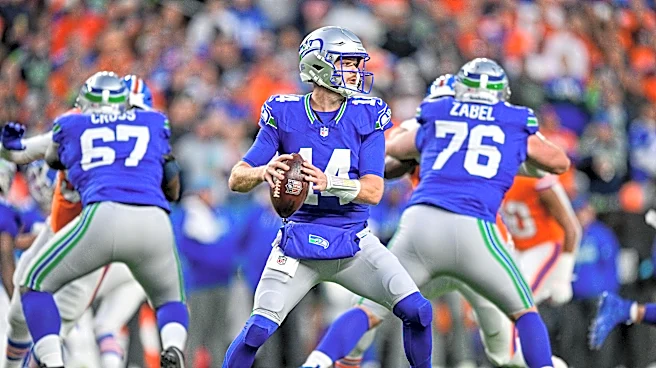
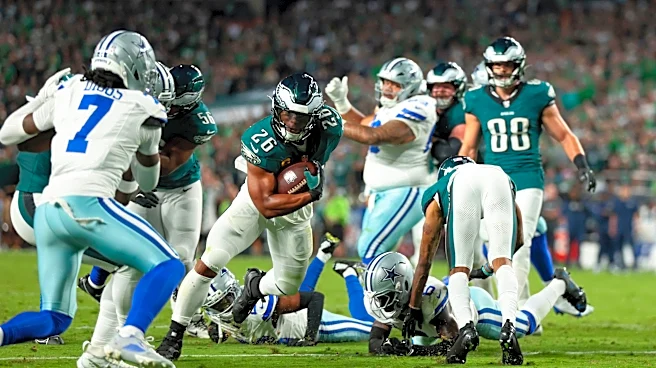
The core problem isn't just that quarterbacks are faster than ever. It's that offenses are now built to weaponize that mobility from the snap. For decades, a quarterback's feet were an emergency exit. Now, they're a primary weapon. Offensive coordinators
are using concepts like the Run-Pass Option (RPO) and designed QB runs not as gimmicks, but as a foundational part of their game plan. This forces defenses into a fundamental conflict: how do you defend both a running back and a quarterback as legitimate rushing threats on the same play? The math simply doesn't work. Traditional defensive assignments, where the QB is accounted for last, are now obsolete. This shift forces linebackers to hesitate for a split second, creating running lanes and stressing the integrity of the entire defensive front.
The Defensive Geometry Problem
Defensive line coaches preach 'rush lane integrity', a concept where each pass rusher stays in their designated lane to keep the quarterback 'caged' in the pocket. Mobile QBs shatter this geometry. Defensive ends who rush too far upfield create a massive lane for the quarterback to step up and run. If they play conservatively to 'contain' the edge, they can't generate enough pressure to force a sack or a bad throw. It’s a strategic double-bind. This forces defensive coordinators into tough choices: Do you assign a 'spy'—a linebacker or safety whose only job is to mirror the quarterback? Doing so means you have one less player in pass coverage, creating an easy throwing window for the offense. Dropping more players into coverage gives the QB more time and space to run. Against a quarterback who is equally dangerous with his arm and his legs, there is no truly safe option.
A Mismatch in Personnel
The evolution of the passing game over the last two decades has already forced defenses to get smaller, faster, and more athletic to cover speedy receivers and tight ends. Teams prioritized agile pass rushers and coverage linebackers. The problem is, the players best suited to chase a 230-pound quarterback in the open field aren't always the ones stout enough to hold the line against the run. This creates personnel mismatches all over the field. A lighter defensive end might get pushed around in the run game, while a traditional, heavy-set defensive tackle may not have the speed to close down a scrambling quarterback. As a result, NFL teams are now desperately searching for a new breed of hybrid defender: players with the size of a linebacker and the speed of a safety, who can credibly play in space, rush the passer, and tackle in the open field. These players are rare and extremely valuable.
The Unscripted Playmaker
Perhaps the most demoralizing aspect for a defense is when they do everything right. They might get pressure, plaster the receivers in coverage, and force the quarterback to move. But the play isn't over. Great mobile quarterbacks thrive in this chaos. While the defense is scrambling to re-establish structure, receivers are working to get open on secondary routes. A broken play that would have been a sack against a traditional pocket passer can turn into a 30-yard gain. This forces defensive backs to cover their man for an exhausting five or six seconds instead of the usual three. It also puts immense psychological pressure on a defense, making them play more hesitantly on subsequent downs. This improvisational ability is something that is nearly impossible to game plan for, as it relies on pure athletic talent and instinct.