




The Symphony of Chaos
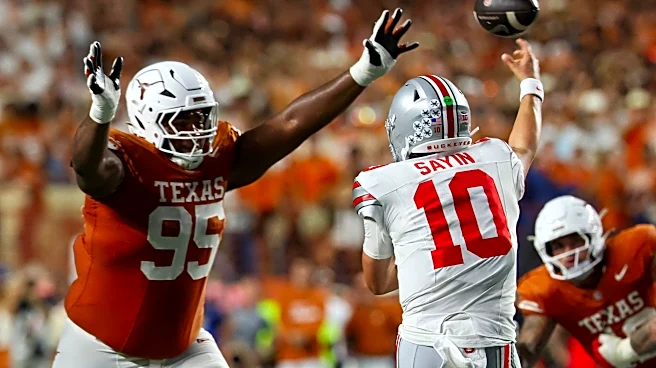
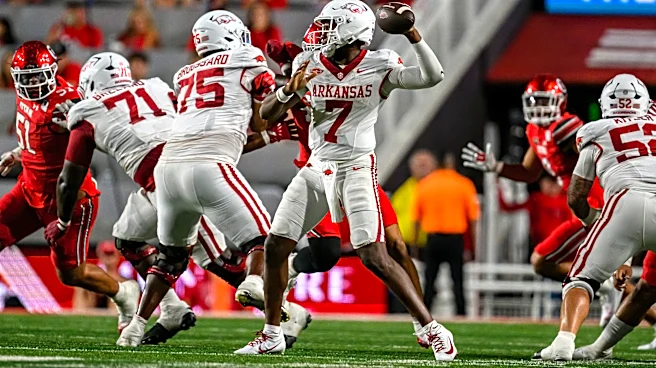
The most obvious challenge on the road is the sheer volume. When an offense can't hear its own signals, delay of game penalties and missed assignments are sure to follow. To combat this, coaches turn their practice facilities into a cauldron of noise.
Many top programs have invested in powerful sound systems that they crank up during the week leading up to a big away game. These aren't just playing generic crowd noise; they're blasting specific sounds. Expect to hear the opponent's fight song on a loop, recordings of their most obnoxious stadium chants, and a general wall of sound engineered to be as distracting as possible. The goal, as one coach put it, is to create an environment where you can't hear yourself think, let alone talk to a teammate a few feet away. While players have said that no simulation can truly replicate the game-day experience, this auditory assault forces the offense to operate under extreme duress, making the real thing feel more manageable.
The Art of the Silent Count
Since verbal communication is compromised, offenses must rely on a different language: the silent count. This is a system of non-verbal cues used to start the play without the quarterback needing to shout over a deafening crowd. The exact mechanics vary from team to team, but it often involves the quarterback making a visual signal, like a leg lift or hand motion. That signal might not be for the snap itself but to initiate a sequence. Often, an interior lineman, like a guard who has a clear view of the QB, will then tap the center to signal the snap. The entire offensive line knows to move the moment the ball is snapped, rather than listening for a vocal cue. It's a precisely choreographed sequence that requires countless reps in practice to perfect. The trade-off is that these visual cues can sometimes be read by savvy defensive linemen, who watch the offense's movements just as intently, hoping to get a jump on the snap.
Controlling the Controllables
A successful road trip is a massive logistical undertaking that begins long before the team buses roll out. Operations directors are tasked with planning every detail to minimize disruption and keep the players comfortable and focused. This involves arranging charter flights and buses to ensure the team travels together efficiently. Hotels are carefully selected, often in locations that are quiet and removed from the game-day frenzy, with dedicated rooms for team meetings and meals. Nutritionists plan menus to optimize performance, and travel schedules are crafted to account for time zone changes and ensure players get adequate rest. Even the equipment requires a small army to manage, with massive trucks transporting everything from helmets and pads to medical supplies and sideline hydration stations. The philosophy is simple: control every variable you can, so the only thing the players have to worry about is the game itself.
Winning the Mental Game
Perhaps the most important preparation is psychological. Coaches work all week to frame the hostile environment not as a disadvantage, but as a challenge to be embraced. They foster an "us against the world" mentality, encouraging players to feed off the negative energy from the crowd. Mental preparation involves teaching players to focus on what they can control—their assignment on a given play—and to block out external distractions like the crowd, the officials, or a single mistake. Visualization techniques are common, with athletes encouraged to picture themselves succeeding amidst the chaos. The key is maintaining composure. The goal is to prevent the emotional swings of the game, often amplified by the crowd, from affecting performance. Coaches preach that momentum is a feeling, but execution is a job. By staying focused on their individual tasks, players can quiet the noise, both literally and figuratively.