
What's Happening?
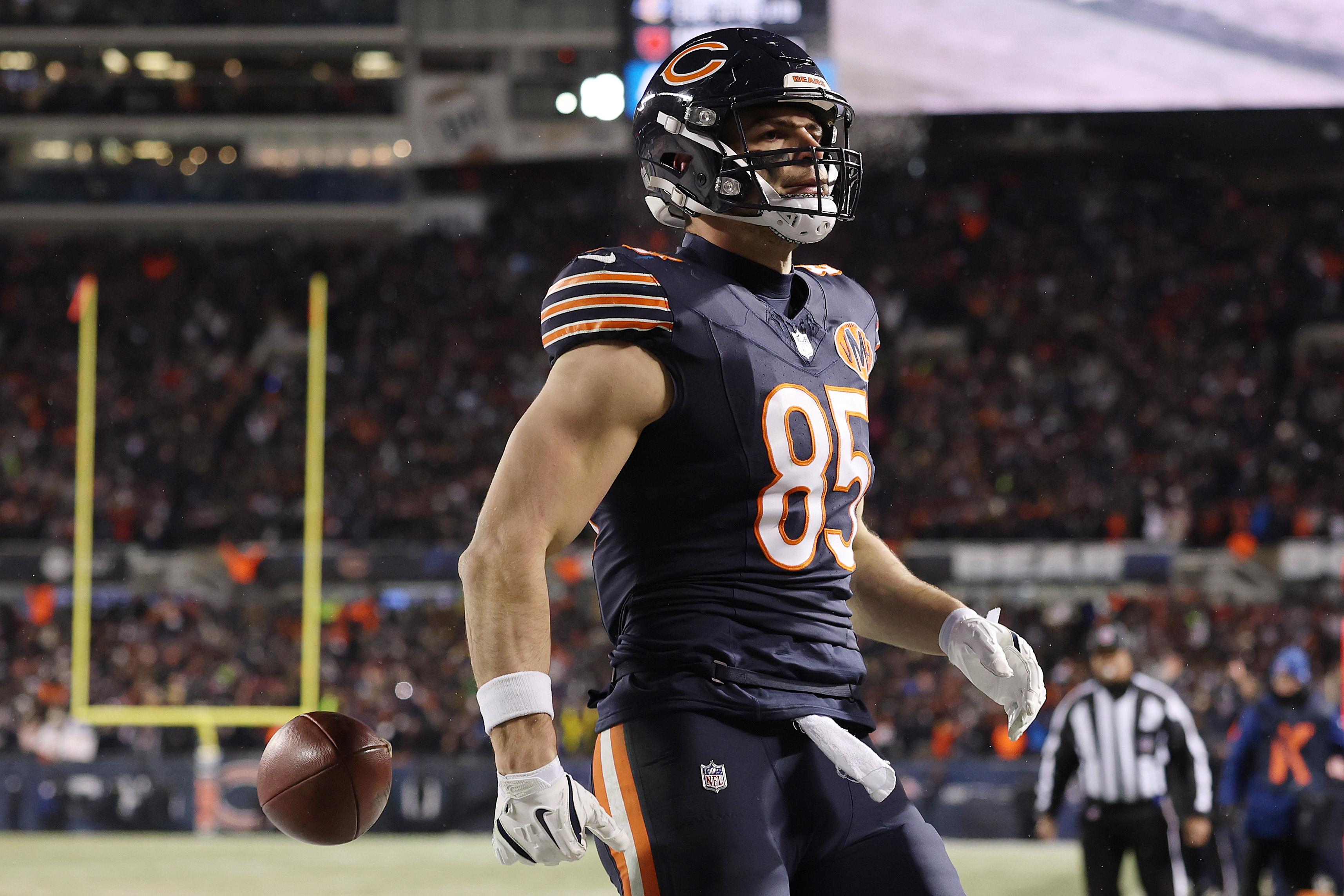
Chicago Bears chairman George McCaskey and president and CEO Kevin Warren recently met with the NFL's stadium committee to provide updates on potential new stadium sites in Illinois and Indiana. According
to Ian Rapoport of NFL Network, Indiana has expressed readiness for a deal, but the Bears' continued focus on Illinois suggests a preference for a local agreement. A critical deadline for securing a deal with the Illinois legislature is December 3, as the current legislative session concludes on that date. Failure to reach an agreement by then would further delay the project, potentially pushing the team to reconsider its options, including a move to Indiana. The ultimate goal for the Bears is to begin construction, with team president Kevin Warren noting in March that project costs increase by approximately $150 million for each year of delay.
Why It's Important?
The ongoing pursuit of a new stadium by the Chicago Bears carries significant implications for both Illinois and Indiana, as well as for the team's long-term financial stability and fan base. For Illinois, securing the Bears would mean retaining a major sports franchise and the associated economic benefits, including job creation and tax revenue from construction and ongoing operations. Conversely, losing the team to Indiana would represent a substantial economic and cultural blow. For the Bears, a new state-of-the-art stadium is crucial for enhancing revenue streams through modern amenities, increased seating capacity, and new partnership opportunities, which are vital for remaining competitive in the NFL. The escalating costs associated with delays also highlight the financial urgency of reaching a resolution, impacting the team's future investment capabilities.
What's Next?
The immediate focus is on the December 3 deadline for the Illinois legislative session. If the Bears and the Illinois legislature can finalize an agreement by this date, it would mark a significant step forward for the team's preferred in-state stadium plan. Should a deal not materialize, the Bears will face renewed pressure to either extend negotiations with Illinois or seriously consider the Indiana proposal, which is reportedly ready. The decision will likely involve complex financial negotiations, public funding discussions, and logistical planning. Even after an agreement is reached, the process will still require signed contracts and the commencement of construction, which could take several years to complete. The team's leadership will continue to engage with both state governments and the NFL stadium committee to navigate these next steps.
Beyond the Headlines
The Bears' stadium saga extends beyond mere real estate and sports, touching upon broader themes of civic identity, public-private partnerships, and regional economic competition. The potential relocation or retention of a major sports franchise often becomes a point of pride and economic leverage for cities and states. The negotiations highlight the intricate balance between public investment and private enterprise, as taxpayers often contribute to stadium projects with the promise of economic returns and community benefits. Furthermore, the situation underscores the competitive landscape among states vying for high-profile businesses and events, using incentives to attract or retain them. The outcome will not only shape the future of the Chicago Bears but also set precedents for how such large-scale developments are financed and managed in major U.S. metropolitan areas.